 By
By
Morocco travel requirements complete entry guide 2026 passport visa documentation airport

Table of Contents
- Morocco Travel Requirements: Current Status Overview
- Morocco Travel Requirements: Passport Validity Rules
- Morocco Travel Requirements: Visa Rules by Nationality
- Morocco Travel Requirements: Health Documentation
- Morocco Travel Requirements: Border and Entry Points
- Morocco Travel Requirements: Customs and Import Rules
- Morocco Travel Requirements: Currency Regulations
- Morocco Travel Requirements: Travel Insurance
- Morocco Travel Requirements: Photography and Drone Rules
- Morocco Travel Requirements: Pre-Departure Planning Checklist
Introduction
Morocco travel requirements in 2026 are among the most accessible and most visitor-friendly of any destination in Africa or the wider Mediterranean world — a fact that genuinely surprises many prospective visitors who assume that entering a North African kingdom must involve complex documentation, restrictive health rules, or burdensome bureaucratic procedures. The reality is almost entirely the opposite. Morocco travel requirements for 2026 are designed to welcome international visitors warmly and efficiently, with the overwhelming majority of tourists from Western Europe, North America, Australia, and most major tourism markets finding that the Morocco travel requirements they must satisfy are minimal, logical, and easily met with standard pre-departure preparation.
Understanding Morocco travel requirements accurately before departure is the single most important step any visitor can take — not because the requirements are onerous, but because the handful of specific rules that do apply are consistently enforced at Morocco’s borders and airports, and ignorance of a Morocco travel requirement at the point of entry is not a defence that Moroccan border authorities will accept.
Morocco travel requirements in 2026 are shaped by a powerful and positive contextual backdrop: the kingdom is preparing to co-host the 2030 FIFA World Cup alongside Spain and Portugal, driving unprecedented investment in tourism infrastructure, airport capacity, and border processing efficiency. This context has reinforced rather than restricted Morocco’s already welcoming Morocco travel requirements framework — the kingdom has every incentive to make entry smooth, fast, and positive for international visitors arriving from every corner of the world.
This guide provides the most thorough and most current Morocco travel requirements overview available for 2026 — covering passport and visa rules, health documentation, border entry points, customs regulations, currency requirements, travel insurance, photography rules, and a complete pre-departure checklist that ensures every visitor arrives in Morocco fully prepared, fully compliant, and fully confident.
For additional context on entry restrictions and what rules apply once you have satisfied Morocco travel requirements and crossed the border, read our companion Morocco travel restrictions guide — together they form the most complete entry preparation resource available for any Morocco visitor in 2026.
Morocco Travel Requirements: Current Status Overview
The Morocco travel requirements current status for 2026 is one that every prospective visitor will find reassuring: Morocco is fully open to international tourism, all major ports of entry are operating normally, and no pandemic-era Morocco travel requirements — vaccination mandates, PCR test results, passenger locator forms, or health declaration cards — remain in force.
No COVID-19 Morocco Travel Requirements
Morocco was among the first African nations to fully dismantle its pandemic-related Morocco travel requirements following the global normalization of international travel. As of 2026, there are no COVID-19 vaccination requirements, no negative test requirements of any kind, and no health declaration forms required for entry into Morocco from any country. The Morocco travel requirements currently in place are the standard, pre-pandemic entry framework that has governed international arrivals for years — straightforward, consistent, and well-understood by border authorities and visitors alike.
Normal Operations at All Entry Points
Morocco’s international airports, ferry terminals, and operational land border crossings are all functioning under normal Morocco travel requirements with standard customs and immigration procedures in place. There are no exceptional documentation requirements, no unusual processing systems, and no delays beyond the standard passport inspection and arrival card completion that have always governed entry into Morocco.
Morocco Travel Requirements Summary for 2026
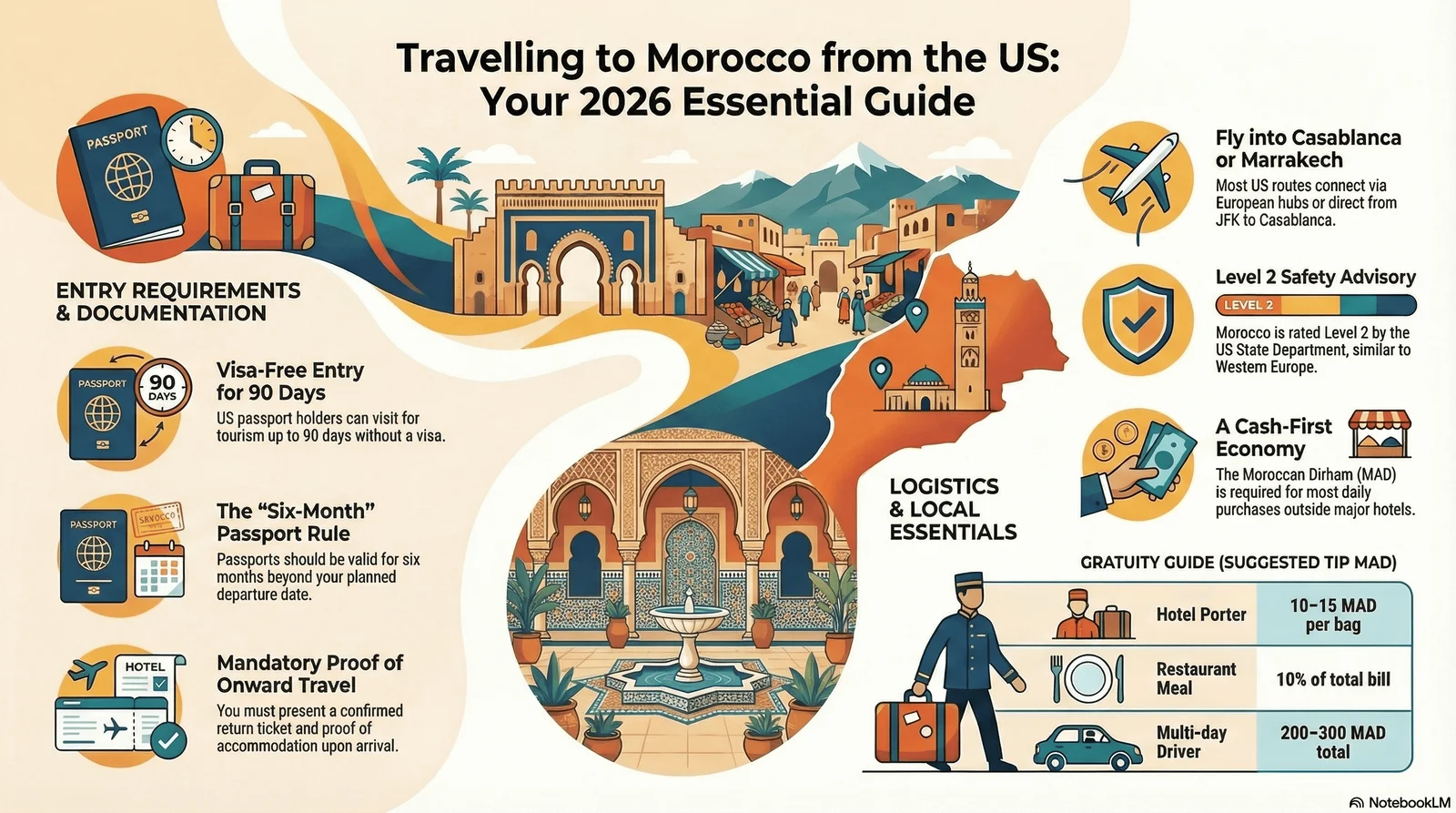
The Morocco travel requirements that apply to the vast majority of international visitors can be summarized simply and reassuringly: a valid passport with at least six months of remaining validity, no visa for citizens of most Western and many non-Western nations for stays of up to 90 days, no specific health documentation required from any country, standard customs compliance on currency and certain imported goods, and comprehensive travel insurance — strongly recommended and formally required for visa applicants. This is a welcoming, accessible, and entirely manageable Morocco travel requirements framework.
For visitors considering a longer-term presence in Morocco beyond standard tourist Morocco travel requirements — including those exploring property investment on the Atlantic coast — our guides to buying land in Imsouane and buying property in Marrakech cover the legal and residency framework relevant to extended stays.
Morocco Travel Requirements: Passport Validity Rules
Passport requirements are the most fundamental Morocco travel requirements — and the area where failure to comply produces the most immediate and most serious consequences at the border.
The Six-Month Validity Morocco Travel Requirement
The single most critical Morocco travel requirement for any international visitor is passport validity. Morocco requires that every visitor’s passport be valid for a minimum of six months beyond the intended date of entry into the country. This Morocco travel requirement is applied strictly and consistently at every Moroccan port of entry — air, sea, and land — without exception and without negotiation.
The practical implication of this Morocco travel requirement is clear and non-negotiable: a visitor planning to enter Morocco on August 1, 2026 must hold a passport that remains valid until at least February 1, 2027. Passports expiring within six months of the intended entry date will be refused at the border regardless of the visitor’s nationality, regardless of their planned length of stay, and regardless of any other documentation they carry. Check passport validity before booking flights — not at the departure airport on travel day.
Children’s Passport Morocco Travel Requirements
The six-month validity Morocco travel requirement applies equally to every child travelling to Morocco. Children must hold their own individual passports — they cannot be added to or included on a parent’s passport document under current Morocco travel requirements. Every family member of every age requires their own valid passport with six months of remaining validity beyond the intended entry date. Verify every family member’s passport before making any bookings.
Passport Condition Morocco Travel Requirements
Passports presented at Morocco’s entry points must be in good physical condition and fully legible. Heavily damaged, water-damaged, torn, or otherwise illegible passports may be refused regardless of their validity date. This Morocco travel requirement is less commonly encountered but important for any visitor whose passport has experienced significant wear or damage.
Morocco travel requirements passport validity rules 2026 entry documentation
Morocco Travel Requirements: Visa Rules by Nationality
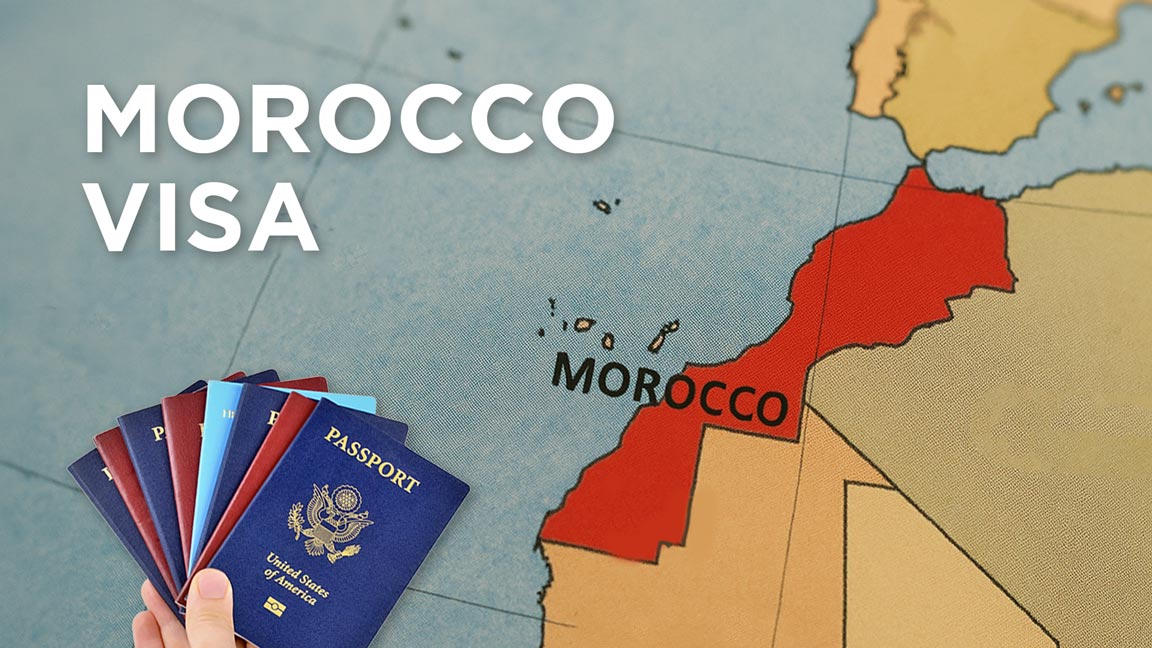
Visa rules represent the second most fundamental tier of Morocco travel requirements — and the area where the kingdom’s genuinely open approach to international tourism is most clearly and most positively demonstrated.
Visa-Free Morocco Travel Requirements — Who Qualifies
The following nationalities face no visa Morocco travel requirements for stays of up to 90 days and may enter Morocco with a valid passport alone:
All European Union member state nationals. United Kingdom nationals — visa-free access has been maintained post-Brexit under current Morocco travel requirements. United States citizens. Canadian citizens. Australian and New Zealand citizens. Japanese and South Korean citizens. Brazilian and Argentine citizens. Swiss, Norwegian, and Icelandic citizens. Gulf Cooperation Council nationals. Most Latin American and Southeast Asian nationalities.
This visa-free Morocco travel requirements framework covers the overwhelming majority of Morocco’s international tourism market — confirming that for most visitors, the visa element of Morocco travel requirements represents no barrier whatsoever.
Visa Morocco Travel Requirements — Who Must Apply
Citizens of countries not covered by Morocco’s visa-free framework face a more substantive Morocco travel requirement: they must obtain a visa before departure from a Moroccan embassy or consulate in their country of residence. The visa application process under this Morocco travel requirement involves submitting a valid passport, completed application form, passport-sized photographs, proof of confirmed accommodation in Morocco, return flight bookings, bank statements demonstrating sufficient funds, and travel insurance documentation.
Always verify the current visa Morocco travel requirement for your specific nationality directly with the Moroccan embassy or consulate before booking travel — this information is subject to change and relying on outdated sources carries real risk at the border.
The 90-Day Stay Morocco Travel Requirement
The 90-day maximum stay Morocco travel requirement applies to all visa-free nationalities. This period begins on the date of entry as stamped in your passport and cannot be extended for tourism purposes without applying directly to Moroccan immigration authorities. Overstaying this Morocco travel requirement is treated seriously — it can result in fines, difficulties at departure, and complications with any future Morocco entry applications. Track your entry date carefully throughout your Morocco journey.
Morocco Travel Requirements: Health Documentation
Health documentation requirements are an important component of the Morocco travel requirements framework — and the area most subject to rapid change in response to international health developments.
Current Health Morocco Travel Requirements — 2026 Status
As of 2026, Morocco imposes no mandatory health documentation as part of its Morocco travel requirements from any country. There are no vaccination certificates required for entry, no negative test results of any kind required, and no health declaration forms of any description. Morocco travel requirements for health documentation in 2026 are effectively identical to the pre-pandemic standard — no forms, no certificates, no processing, and straightforward border entry.
Morocco’s dismantling of pandemic-related Morocco travel requirements was among the earliest and most comprehensive of any African nation — a deliberate policy decision to protect the open tourism framework that underpins the kingdom’s economic development strategy and its 2030 World Cup preparation.
Recommended Vaccinations — Not Morocco Travel Requirements
While no vaccinations constitute mandatory Morocco travel requirements for 2026, several are recommended by international health authorities and constitute responsible pre-travel preparation for any Morocco visitor:
Hepatitis A vaccination is the most universally recommended for Morocco visitors — transmitted through contaminated food and water, present throughout Morocco including major cities, and entirely preventable. Hepatitis B is recommended for visitors who may receive medical treatment, engage in tattoo or piercing activities, or have other exposure risk during their stay. Typhoid is recommended for visitors planning to eat at local restaurants, street food environments, or in rural areas. All routine vaccinations — MMR, tetanus, diphtheria, polio — should be current before any international travel including Morocco.
These are recommendations from international health authorities — not Morocco travel requirements. They are preparations that responsible travellers make regardless of what entry rules formally demand.
Yellow Fever — A Specific Morocco Travel Requirement
One specific health-related Morocco travel requirement applies in specific circumstances: visitors arriving in Morocco directly from a country where yellow fever transmission is an active risk may be required to present a valid yellow fever vaccination certificate at the border. If your Morocco itinerary includes travel from a yellow fever risk country immediately before Morocco entry, verify the current status of this Morocco travel requirement with the Moroccan consulate or your government’s travel health advisory before departure.
Future Health Morocco Travel Requirements
International health conditions can evolve rapidly and Morocco travel requirements can be updated at short notice in response to global health developments. Always verify current health Morocco travel requirements at your government’s official travel advice website or the nearest Moroccan embassy immediately before departure — days before travel, not weeks before.
Morocco travel requirements health documentation vaccination yellow fever 2026
Morocco Travel Requirements: Border and Entry Points
Understanding which entry points are fully operational and which face specific Morocco travel requirements conditions is essential for visitors planning ferry crossings, road journeys, or overland routes into the kingdom.
Air Entry — All Major Airports Fully Operational
All of Morocco’s international airports operate under normal Morocco travel requirements — standard passport inspection and customs declaration upon arrival, with no exceptional requirements beyond the standard entry framework. Morocco’s principal international airports include Casablanca Mohammed V (the largest and best connected), Marrakech Menara (the primary hub for budget airline arrivals from Europe), Agadir Al Massira (the primary arrival point for Atlantic coast and surf itineraries), Fès-Saïss, Tangier Ibn Battouta, and Essaouira Mogador. All process arrivals under identical Morocco travel requirements.
Ferry Entry — Spain to Morocco
Ferry services between mainland Spain and Morocco — the Algeciras to Tangier Med route and the Tarifa to Tangier passenger route — are operational and subject to standard Morocco travel requirements at the Moroccan port of arrival. The same six-month passport validity and visa Morocco travel requirements apply as at air entry points, enforced on the Moroccan side of the crossing.
The Ceuta and Melilla border crossings — from Spanish sovereign territories into Moroccan territory — are subject to standard Morocco travel requirements but can experience significant queuing during peak periods including summer weekends and Spanish school holidays. Allow substantial additional time for these crossings during busy periods.
Algeria Land Border — Closed Morocco Travel Requirement
The Algeria-Morocco land border has been closed since 1994 and remains closed under current Morocco travel requirements in 2026. This is among the most significant Morocco travel requirements for any overland traveller planning a trans-North African journey — there is no legal road crossing between Morocco and Algeria. Travellers planning itineraries that include both countries must make separate air travel arrangements between them. For complete road trip planning across Morocco’s accessible internal routes, read our Morocco road trip guide.
Mauritania Border — Open with Conditions
The Morocco-Mauritania land border at Guerguerat in the Western Sahara is operational but subject to security conditions that vary with regional circumstances. Travellers planning to cross this border should check the current UK Foreign Office or US State Department travel advice for the Western Sahara and Mauritania before attempting the crossing — this is not a casual Morocco travel requirement situation and requires specific preparation.
Morocco Travel Requirements: Customs and Import Rules
Morocco’s customs regulations create a specific set of Morocco travel requirements governing what visitors may bring into the country — and in certain cases what they may take out.
Currency Declaration Morocco Travel Requirements
Morocco operates strict currency controls that constitute some of the most practically significant Morocco travel requirements for any visitor. Foreign currency imports above the equivalent of 100,000 MAD (approximately $10,000 USD) must be declared on the arrival customs form — amounts below this threshold require no declaration. Moroccan Dirhams cannot be legally purchased outside Morocco and cannot be exported from Morocco in significant quantities — unspent Dirhams must be reconverted to foreign currency before departure, requiring retention of all exchange receipts throughout the journey. These currency Morocco travel requirements are consistently enforced.
Alcohol Morocco Travel Requirements
Non-Muslim visitors may import alcohol into Morocco subject to the following quantity Morocco travel requirements: one litre of spirits and one litre of wine per adult over 18, without duty liability. Quantities above these limits are subject to Moroccan customs duties. These alcohol Morocco travel requirements are among the most commonly encountered by European visitors and are straightforwardly navigated with appropriate quantity management.
Drone Morocco Travel Requirements
Drones face some of the most specific and most frequently violated Morocco travel requirements of any visitor equipment category. Bringing a drone into Morocco requires advance authorization from the Moroccan Civil Aviation Authority (ANAC) completed before arrival. Visitors arriving at Moroccan airports with unauthorized drones risk confiscation by customs authorities — in many cases permanently. Apply for ANAC authorization well in advance if a drone is part of your Morocco itinerary. This Morocco travel requirement is actively enforced and the consequences of non-compliance are significant.
Medication Morocco Travel Requirements
Prescription medications are subject to Morocco travel requirements that vary by substance and classification. All prescription medications must be carried in their original packaging, accompanied by the prescription or a doctor’s letter confirming the medical need. Certain medications freely available or legally prescribed elsewhere — including some controlled substances, strong opioids, and psychotropic medications — face strict Morocco travel requirements regarding import. Research the Moroccan legal classification of any prescription medication before departure and carry complete documentation accordingly.
Prohibited Items Morocco Travel Requirements
Morocco travel requirements prohibit the import of narcotics and illegal drugs (subject to severe criminal penalties under Moroccan law), weapons and ammunition without specific authorization, and items considered culturally or legally offensive under Moroccan law. These are absolute Morocco travel requirements with no grey areas and no exceptions — complete compliance is the only appropriate approach.
Morocco Travel Requirements: Currency Regulations
Currency Morocco travel requirements are among the most practically significant in Morocco’s entire entry and stay framework — affecting how money is obtained, used throughout the journey, and taken out of the country at departure.
The Dirham Convertibility Morocco Travel Requirement
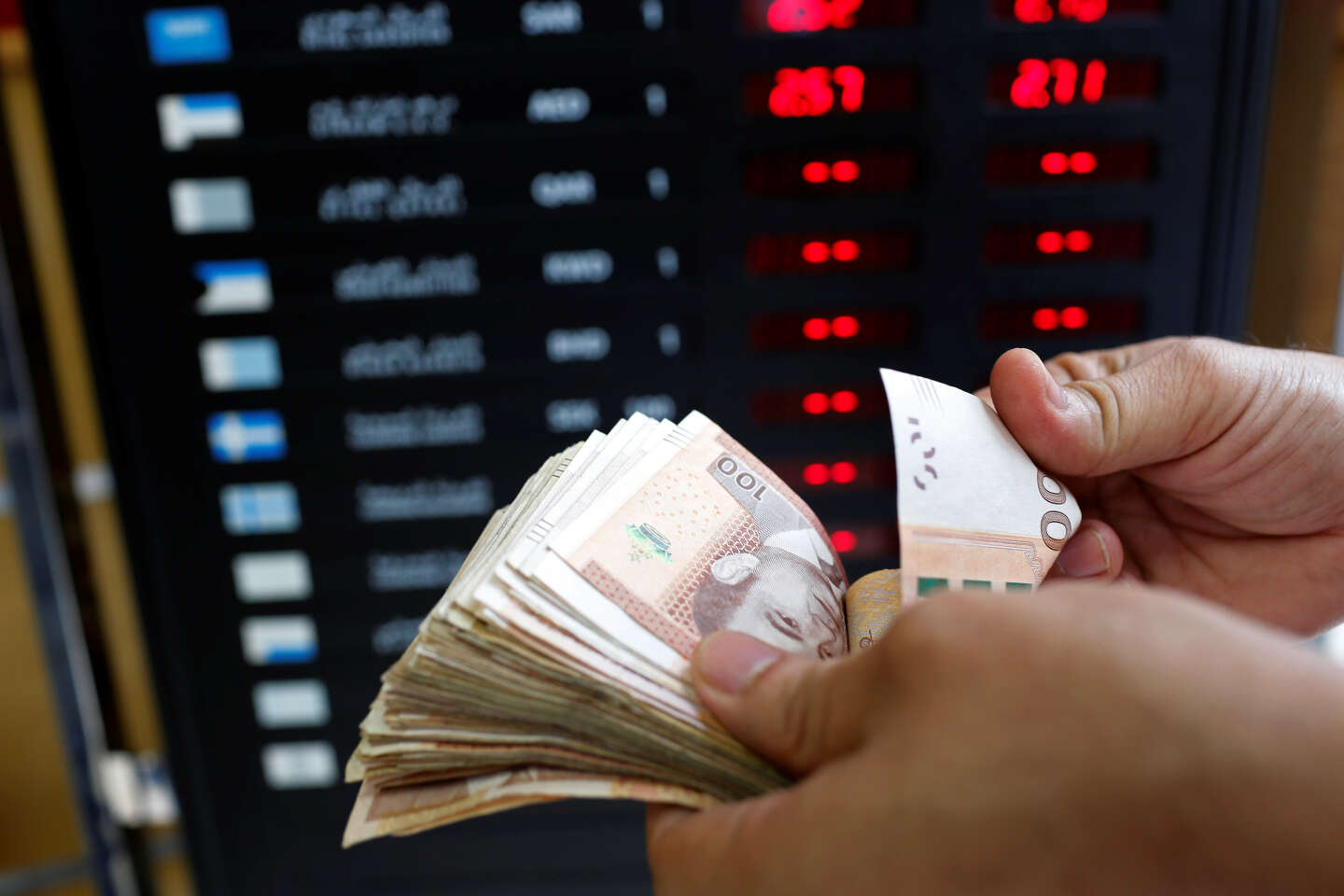
The Moroccan Dirham (MAD) is a non-convertible currency, and this status creates a set of Morocco travel requirements that every visitor must understand before departure. The Dirham cannot be purchased legally outside Morocco and cannot legally be exported from Morocco in significant quantities. All currency exchange must take place inside Morocco, and all unspent Dirhams must be reconverted to foreign currency before departure.
The practical Morocco travel requirement this creates is straightforward but critical: retain every exchange receipt throughout the entire Morocco journey. Exchange receipts are required by Moroccan banks and bureaux de change to process the reconversion of unspent Dirhams to foreign currency before departure. Without these receipts, reconversion may be refused or significantly limited — a Morocco travel requirement that affects departure logistics for any visitor who has not managed their exchange documentation carefully.
ATM Access Morocco Travel Requirements
ATMs are widely available in Morocco’s major cities and present no specific Morocco travel requirement complications for standard card withdrawals. Standard daily limits of 2,000–4,000 MAD per transaction apply across most Moroccan ATMs — plan multiple withdrawals if larger cash amounts are needed for any single day.
One practical Morocco travel requirement note of particular importance for Atlantic coast visitors: destinations including the beloved surf village of Imsouane have no ATM within the immediate area. Cash must be obtained in larger nearby towns before arrival. This is not a formal Morocco travel requirement but a practical access reality that catches unprepared visitors regularly. For complete financial preparation guidance, read our Imsouane budget travel tips guide.
Cash vs. Card Morocco Travel Requirements
Cards are accepted at major hotels, larger restaurants, and tourist-facing retailers across Morocco’s principal cities. However, cash remains essential — and effectively a Morocco travel requirement — for medina souks, street food vendors, local transport, smaller riads, and virtually all transactions in rural areas and smaller villages. Budget sufficient Dirham cash for every portion of your Morocco itinerary that sits outside major urban centres.
For comprehensive Morocco budget planning and complete financial preparation, read our Morocco travel cost and budget guide.
A currency dealer counts Moroccan dirhams in a photo illustration at a currency exchange in Casablanca, Morocco, June 29, 2017. Picture taken June 29, 2017. REUTERS/Youssef Boudlal/Illustration – RC138B2B0ED0
Morocco Travel Requirements: Travel Insurance
Travel insurance occupies a specific and important position within the Morocco travel requirements framework — formally mandatory for visa applicants and so strongly recommended for all others that treating it as a universal Morocco travel requirement is the only responsible approach.
Why Travel Insurance Meets the Standard of a Morocco Travel Requirement
Morocco’s public healthcare system, while developed in major cities, does not cover international visitors. Emergency medical treatment, hospitalization, or evacuation can generate costs that are significant for any uninsured visitor. The UK Foreign Office, US State Department, and all major national travel advisories list comprehensive travel insurance as essential preparation for any Morocco journey — covering emergency medical treatment, medical evacuation, trip cancellation, and personal liability as a minimum.
Travel Insurance as a Formal Morocco Travel Requirement — Visa Applicants
For nationalities that require a visa under Morocco travel requirements, comprehensive travel insurance documentation is a mandatory component of the visa application itself — making it a direct and formal Morocco travel requirement for this group. For visa-free nationals, while not formally mandated at the border, the practical and financial case for travel insurance is identical in every respect.
Activity-Specific Morocco Travel Requirements for Insurance
Visitors planning activities beyond standard sightseeing — surfing Morocco’s Atlantic coast, trekking in the High Atlas, quad biking in the Sahara, or motorbiking across mountain passes — must verify that their travel insurance policy specifically covers these activities. Standard policies routinely exclude adventure sports, creating a meaningful gap in coverage that constitutes a practical Morocco travel requirement for any active visitor.
For complete Atlantic coast activity and surf planning, read our Imsouane bay guide and our Essaouira Morocco guide.
Morocco Travel Requirements: Photography and Drone Rules
Photography and drone rules represent some of the most specific and most frequently misunderstood Morocco travel requirements governing visitor behaviour within the kingdom — with legal consequences that every visitor must understand before arrival.
Prohibited Photography Morocco Travel Requirements
The following are subject to absolute Morocco travel requirements prohibiting photography — photographing them is illegal under Moroccan law and enforced by security forces:
Military installations and equipment of any kind. Royal palaces and their immediate surroundings. Government ministry buildings and parliament. Police stations and all security facilities. Border crossing infrastructure. Airport security areas and immigration zones.
These photography Morocco travel requirements exist for legitimate national security and sovereignty reasons and are entirely non-negotiable. Violations can result in immediate detention, permanent confiscation of camera equipment, and criminal proceedings under Moroccan law.
Photography of People — Cultural Morocco Travel Requirements
Photography of Moroccan people — particularly women in traditional dress, elderly residents, children, and individuals in religious contexts — is governed by cultural expectations that every respectful visitor should treat as binding Morocco travel requirements even where they are not formally legislated. Always request permission before photographing any individual. A smile and a gestured inquiry is the appropriate way to seek consent. Never photograph anyone who declines or indicates discomfort.
Visitors in the medinas of Marrakech and Fès will encounter unofficial individuals who claim that photographing certain sites requires their facilitation and a fee. This is not a genuine Morocco travel requirement — it is an informal commercial approach that can be politely but firmly declined.
Drone Morocco Travel Requirements — Summary
As detailed in the customs section, importing or flying a drone in Morocco requires advance authorization from ANAC (the Moroccan Civil Aviation Authority) completed before departure. This Morocco travel requirement applies to all drone categories regardless of size or intended use. The authorization process cannot be resolved at the airport — apply well before travel through the Moroccan embassy in your country for current ANAC guidance.
Morocco Travel Requirements: Pre-Departure Planning Checklist
Understanding Morocco travel requirements is only valuable when that understanding is converted into effective pre-departure action. This checklist ensures that every Morocco travel requirement is addressed before departure — and that no visitor arrives at the border with a preventable compliance gap.
Six to Twelve Weeks Before Departure
Verify every traveller’s passport validity — minimum six months beyond the intended Morocco entry date. This is the Morocco travel requirement most commonly overlooked until it is too late to address without an emergency passport application. Check the current visa Morocco travel requirement for your specific nationality at the official Moroccan embassy website. Begin the ANAC drone authorization process immediately if a drone will be part of your Morocco journey. Consult a travel medicine specialist about recommended vaccinations and any yellow fever Morocco travel requirement considerations. Purchase comprehensive travel insurance covering Morocco, all planned activities, and the full duration of the journey.
Two to Four Weeks Before Departure
Download offline maps for all planned Morocco destinations — internet reliability varies significantly outside major cities and does not constitute a Morocco travel requirement concern but a practical travel necessity. Notify all banks and credit card providers of your Morocco travel dates to prevent card blocks at Moroccan ATMs. Research ATM availability at all planned destinations — particularly smaller Atlantic coast locations. Book accommodation directly for peak season travel periods. Review your government’s official Morocco travel advisory for any recent updates to Morocco travel requirements. For destination inspiration across the Atlantic coast, read our Morocco travel guide and best time to visit Morocco guide.
Days Before Departure
Check your government’s Morocco travel advisory one final time for any last-minute Morocco travel requirements updates. Confirm that all prescription medication documentation is complete and stored with the medications in original packaging. Verify that exchange receipts — a key Morocco travel requirement for departure — will be managed and retained throughout the journey. Photograph all key documents and store copies in cloud storage accessible without a local SIM card.
For complete destination and activity planning, read our Morocco things to do guide, Morocco tourism guide, luxury Morocco holidays guide, luxury Morocco tours guide, and our Morocco travel tips guide.
External resource: Official Morocco Tourism — Entry Information External resource: ANAC Morocco — Drone Authorization External resource: UK Foreign Office Morocco Travel Advice External resource: US State Department Morocco Travel Advisory
Morocco travel requirements pre-departure checklist planning preparation 2026
Morocco Travel Requirements Are Minimal — Preparation Makes Them Effortless
The Morocco travel requirements update for 2026 delivers a clear and genuinely encouraging message for any traveller considering Morocco as a destination: the kingdom is open, welcoming, and operating under an entry framework that places minimal barriers between international visitors and one of the world’s most extraordinary travel experiences.
The Morocco travel requirements that do apply — the six-month passport validity rule, the 90-day maximum stay, the drone authorization requirement, the Dirham currency reconversion rules, the customs limits on alcohol and currency declaration thresholds, the photography restrictions around sensitive sites — are entirely reasonable, entirely manageable with appropriate preparation, and entirely invisible to any visitor who has taken the time to understand and meet them before arriving at the border.
The Morocco travel requirements this guide cannot address are those that may arise after its publication in May 2026 — health developments, security changes, diplomatic shifts, or regulatory updates that alter the entry framework. Always verify current Morocco travel requirements at your government’s official travel advice website immediately before departure — days before travel, not weeks before.
Morocco travel requirements in 2026 are not the story. The story is the kingdom behind them — its UNESCO-listed imperial medinas, its extraordinary Atlantic surf coast from Essaouira south through Imsouane to Agadir, its vast Saharan dunes, its Berber mountain villages, its world-renowned cuisine, its ancient argan forests, and the remarkable warmth of 38 million people who have welcomed international visitors to their kingdom for centuries and who continue to do so with an authenticity and generosity that no Morocco travel requirement has ever diminished.
Have questions about Morocco travel requirements or planning your Morocco journey? Leave a comment below or explore our full collection of guides — including our Morocco travel restrictions guide, Morocco travel guide, Morocco travel tips guide, Morocco tourism guide, Morocco country guide, best time to visit Morocco, Morocco travel cost guide, Morocco road trip guide, Marrakech Morocco guide, Essaouira Morocco guide, Imsouane bay guide, Imsouane budget travel tips, Morocco things to do guide, luxury Morocco holidays, luxury Morocco tours, cities in Morocco guide, and our complete must-visit cities in Morocco guide — for everything you need to travel Morocco confidently and compliantly in 2026.

Comments