 By
By
buying land in Imsouane Morocco bay surf village investment guide 2026
Source: Unsplash.com — search “Imsouane Morocco bay coastline aerial view”
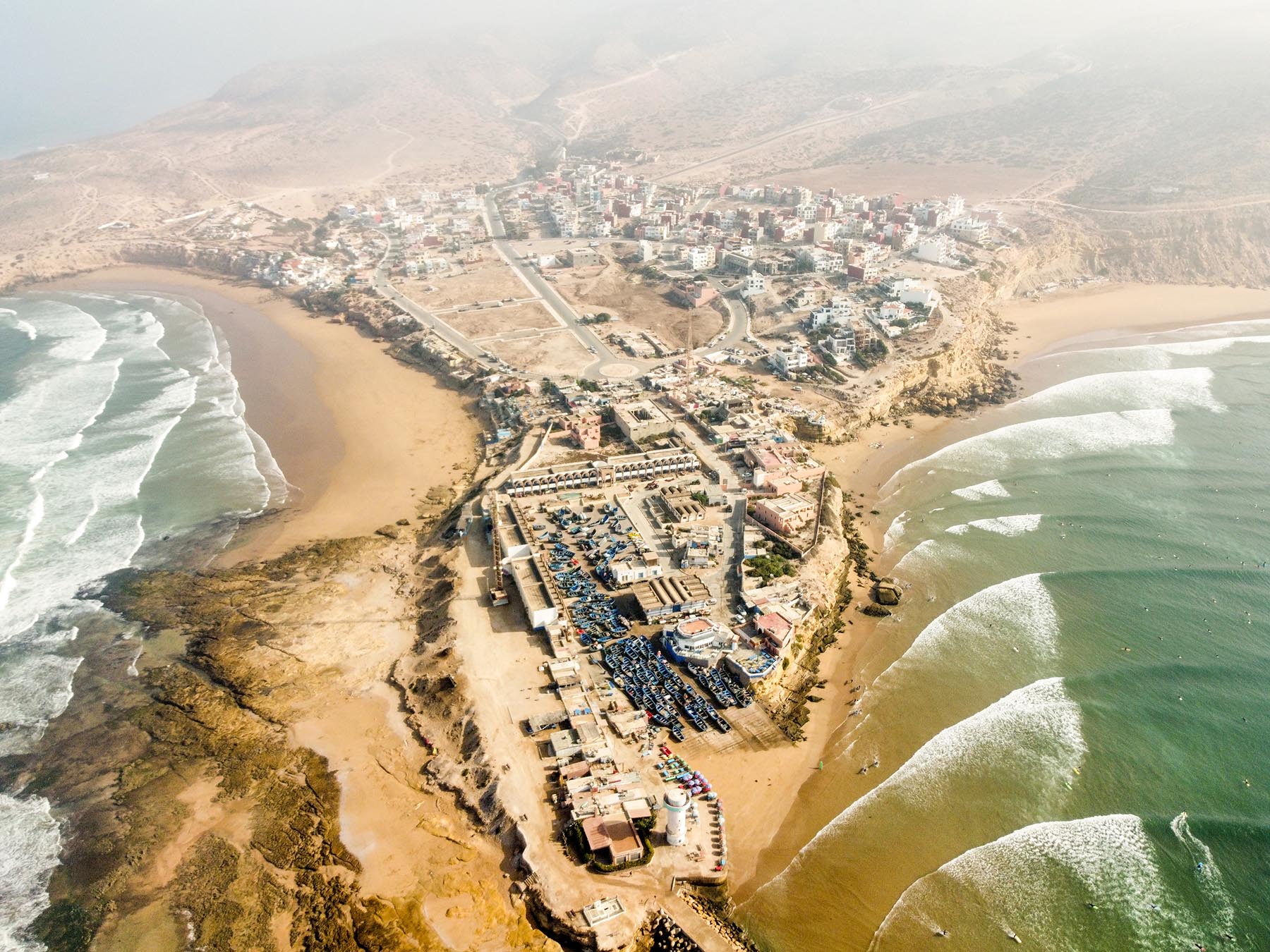
Table of Contents
- Why Buying Land in Imsouane Makes Sense in 2026
- Best Areas for Buying Land in Imsouane
- Types of Land Available in Imsouane
- Land Prices in Imsouane 2026
- Legal Process for Buying Land in Imsouane
- Buying Land in Imsouane as a Foreigner
- Financing Your Imsouane Land Investment
- Development Potential and Return on Investment
- Common Mistakes to Avoid
- Useful Resources
Introduction
Buying land in Imsouane is one of the most exciting and strategically timely real estate investment decisions available on Morocco’s entire Atlantic coastline in 2026. Imsouane is no longer a secret — this extraordinary bay located approximately 70 km north of Agadir has earned a devoted international following among surfers, travellers, photographers, and lifestyle seekers who have discovered what locals have always known: Imsouane is one of the most naturally beautiful and spiritually compelling places on the African continent.
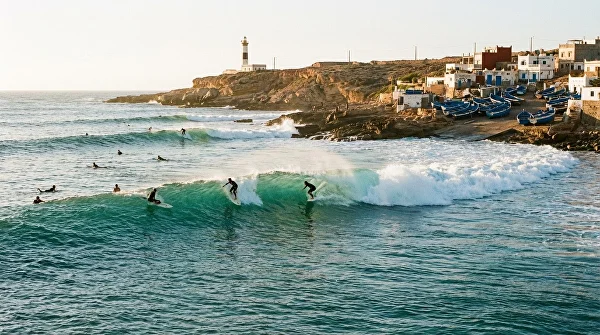
The bay at Imsouane is famous worldwide for hosting one of the longest right-hand surf waves in Africa — a gentle, peeling wave that can carry a surfer for over 700 metres on a good day. But Imsouane is far more than just a surf spot. The village’s dramatic cliffside setting, the deep turquoise of the Atlantic, the fresh fish grilled on the harbor wall, and the unhurried pace of Berber coastal life create an atmosphere that draws visitors back year after year — and increasingly, investors who recognize that what Taghazout was fifteen years ago, Imsouane is today.
In 2026, Imsouane stands at precisely the kind of inflection point that savvy real estate investors dream of identifying — a destination with genuine world-class natural assets, rapidly growing international recognition, still-accessible land prices, and a development window that is open now but will not remain open indefinitely.
This guide covers everything you need to know about buying land in Imsouane — from the best plots and legal process to development potential and the common mistakes that trap unwary buyers. Before exploring the specifics of the Imsouane land market, get a full picture of Morocco’s Atlantic coast tourism landscape by reading our complete guide to things to do in Morocco.
Why Buying Land in Imsouane Makes Sense in 2026 #why
Buying land in Imsouane in 2026 is one of the most asymmetric investment opportunities on the Moroccan Atlantic coast — meaning the potential upside significantly outweighs the risk for well-prepared investors who act with due diligence and professional guidance. Here is why:
Imsouane is at the beginning of its international recognition curve. While Taghazout has already experienced its major appreciation cycle driven by the Taghazout Bay resort development, Imsouane is earlier in the same trajectory. International surf media, travel publications, and lifestyle influencers are generating a sustained wave of global attention that is translating directly into visitor numbers — and visitor numbers translate directly into demand for accommodation, which translates directly into land and property values.
The surf wave is genuinely world-class and irreplaceable. Imsouane’s long right-hander is not a manufactured attraction — it is a natural geographic phenomenon created by the unique shape of the bay. No amount of development elsewhere can replicate it. This natural scarcity gives Imsouane a permanent competitive advantage over other surf destinations and places a permanent floor under land values in the immediate bay area.
Land prices are still accessible — but rising fast. Compared to Taghazout, where coastal constructible land now costs 3,000–8,000 MAD per m², equivalent plots in Imsouane are still available at 800–2,500 MAD per m². This price gap reflects the earlier stage of Imsouane’s development cycle — not a difference in underlying quality or potential. For a direct comparison, read our guide to buying land in Taghazout.
Morocco’s 2030 World Cup preparation is improving regional infrastructure. Road upgrades connecting Imsouane to Agadir and the broader coastal route, improvements to Al Massira Airport, and accelerated regional planning approvals are all reducing the friction of development and travel that previously limited Imsouane’s growth potential.
The surf tourism market is growing at over 10% annually. Morocco’s Atlantic coast is consistently ranked among the world’s top surf destinations, and Imsouane’s wave is one of its crown jewels. Year-round Atlantic swells, warm winters, and straightforward access from Europe make the area a perennial favorite with the global surf community. See our complete guide to surfing in Morocco for a full breakdown of why this coastline continues to attract record surf visitor numbers.
Seasonal demand is strong and diversifying. Imsouane’s appeal is no longer limited to hardcore surfers. Families, couples, wellness seekers, digital nomads, and cultural travellers are all discovering the bay. This diversification of visitor profiles extends the effective tourist season and broadens the rental market for any accommodation development. For a full picture of when visitors come and what drives demand across the year, read our best time to visit Morocco guide.
buying land in Imsouane why invest surf wave bay Morocco Atlantic 2026
Source: Unsplash.com — search “Imsouane surf wave long ride Morocco bay”
Best Areas for Buying Land in Imsouane #areas
Understanding the geography of Imsouane is essential before buying land in Imsouane. The area breaks down into several distinct zones, each with its own character, price point, and development logic.
The Bay — Imsouane Village Core
The bay itself — the curved crescent of water sheltered by the headland that creates Imsouane’s famous wave — is the epicenter of the village and the most desirable location for any accommodation or hospitality development. Plots within the village core overlooking the bay are the rarest and most valuable land in the entire Imsouane area.
Buildings here are small, tightly clustered on the hillside above the beach, and subject to municipal planning controls that reflect the village’s character. Land parcels are typically small — often 100–300 m² — and available only rarely when local families choose to sell. When bay-view plots do come to market in the village core, they command prices that reflect their scarcity and their extraordinary visual and experiential positioning.
A boutique guesthouse or surf lodge built on a bay-view plot in the Imsouane village core is the single highest-potential development investment available when buying land in Imsouane — but patience, local connections, and readiness to move quickly when opportunities arise are essential prerequisites.
The Headland — Cap Imsouane
The rocky headland of Cap Imsouane — the dramatic promontory that separates the surf bay from the Cathedral beach to the south — offers some of the most spectacular sea-view land in the entire region. Plots on the headland command sweeping views of both bays, the Atlantic horizon, and on clear days, the distant outline of the Anti-Atlas foothills inland.
The headland is less constrained by village density and offers larger plot sizes than the bay core — making it better suited to villa development, small boutique hotel construction, and larger guesthouse projects. Prices on the headland are lower than bay-front village plots but reflect the premium of elevated, panoramic positioning.
Cathedral Beach and South Bay
The southern side of Cap Imsouane opens onto Cathedral Beach — a longer, more exposed Atlantic beach that offers excellent beach break surfing and dramatically different scenery from the sheltered bay to the north. Land south of the headland along the Cathedral Beach frontage is less developed than the main bay area and offers good opportunities for surf lodge and beach restaurant development targeting the growing Cathedral Beach visitor market.
The Coastal Road Approach — Entry Zone
The road approaching Imsouane from the coastal highway passes through a zone of gradually developing land that offers the most accessible prices currently available when buying land in Imsouane. Plots here are further from the bay but benefit from the improving road infrastructure, larger plot sizes, and lower per-square-metre costs that make them attractive for larger-scale residential development, budget surf accommodation, and commercial projects serving the growing local population.
North of Imsouane — Undeveloped Coastal Cliffs
The coastline stretching north of Imsouane toward Sidi Kaouki and Essaouira is one of the most dramatically beautiful and least-developed stretches of Atlantic coastline in Morocco. Occasional plots of constructible land come to market in this zone, offering extraordinary isolation, cliff-top sea views, and access to uncrowded surf breaks at prices that reflect the current lack of infrastructure. For buyers with a longer investment horizon and an appetite for genuine frontier-market positioning, this stretch of coast offers some of the most exciting land opportunities on the entire Moroccan Atlantic seaboard.
For a broader understanding of the surf and lifestyle landscape that makes this entire coastal corridor so compelling, read our dedicated Imsouane bay guide — the most comprehensive resource available on the destination.
Types of Land Available in Imsouane #types
Correctly identifying land classification is one of the most critical steps when buying land in Imsouane. Morocco’s planning system is strictly categorical, and purchasing the wrong type of land — particularly as a foreign buyer — can result in being legally unable to build or even to own the plot.
Terrain Constructible (Buildable Land) is the category every investor seeks. These plots carry official planning approval for construction and are connected or connectable to municipal utilities — water, electricity, and sewerage. Always verify constructibility directly at the local commune and request a certificat d’urbanisme confirming permitted uses, maximum building height, floor area ratio, and coastal setback requirements before any purchase agreement is signed.
Terrain Agricole (Agricultural Land) is the category to avoid entirely as a foreign buyer. Moroccan law absolutely prohibits foreign nationals from purchasing agricultural land. This restriction has no exceptions, cannot be circumvented through nominee arrangements, and is non-negotiable. Some informal sellers in the Imsouane area present agricultural land as a development opportunity to foreign buyers — it is not, legally, and purchasing it exposes buyers to seizure without compensation.
Terrain en Zone Urbanisable (Land in Urban Growth Zone) occupies a middle position — land within areas designated for future urban development that has not yet received full constructibility status. These plots can represent excellent value-appreciation opportunities as planning designations are updated, but carry genuine planning uncertainty that must be factored into any investment decision.
Terrain dans Zone Touristique (Land in Tourist Zone) applies to plots within officially designated tourism development areas. This classification permits hotel, guesthouse, surf lodge, and restaurant construction but may restrict or prohibit purely residential development. Given Imsouane’s tourism-driven economy, this classification actually aligns well with most investors’ development intentions when buying land in Imsouane.
Terrain Côtier (Coastal Land) is subject to the most stringent planning controls of any category in Morocco. The Domaine Public Maritime — a legally protected coastal strip — restricts construction within a defined distance of the high-water mark. Always verify coastal setback requirements before purchasing any plot with direct beachfront or cliff-edge positioning.
buying land in Imsouane types terrain constructible coastal zone Morocco Atlantic
Source: Unsplash.com — search “Morocco coastal land plot Atlantic cliff construction”
Land Prices in Imsouane 2026 {#prices}
Land prices when buying land in Imsouane reflect the destination’s current position on its development curve — already meaningfully elevated from five years ago, but still significantly below comparable coastal locations further south at Taghazout and north at Essaouira. This pricing gap is the core investment thesis for buyers entering the market now.
Imsouane Bay Core — Village Frontage Plots: 1,500–3,500 MAD per m² ($150–$350/m²) for rare bay-view constructible plots within the village. These come to market infrequently and move quickly when they do.
Cap Imsouane Headland — Sea View Plots: 1,000–2,500 MAD per m² ($100–$250/m²) for elevated headland plots with panoramic Atlantic views. Larger plot sizes available here than in the village core.
Cathedral Beach South Zone: 800–2,000 MAD per m² ($80–$200/m²) for constructible plots with beach access and surf proximity south of the headland.
Coastal Road Entry Zone: 400–1,200 MAD per m² ($40–$120/m²) for well-located plots with good access but less direct bay or sea frontage.
North Imsouane Coastal Cliffs: 300–900 MAD per m² ($30–$90/m²) for isolated cliff-top plots with dramatic views and currently limited infrastructure.
Inland Plots (Agricultural Fringe): Note — foreign buyers cannot legally purchase agricultural land. Prices in this category are quoted for reference only for Moroccan buyers.
Land prices in the Imsouane bay core and headland zones have appreciated at 10–15% per year over the past three years as international recognition of the destination has grown. This trajectory is expected to accelerate as infrastructure improves and the global surf tourism market continues its structural growth.
For a full comparison of land investment values along the Atlantic coast, read our guides to buying land in Agadir and buying land in Taghazout to understand how Imsouane pricing positions within the broader regional market.
Legal Process for Buying Land in Imsouane #legal
The legal process for buying land in Imsouane follows Morocco’s standard land acquisition framework. Every step must be conducted with qualified professional guidance — a licensed Moroccan notary and a reputable real estate agent are non-negotiable partners throughout the process.
Step 1 — Verify the Titre Foncier
Before any agreement is signed or deposit paid, your notary must verify the land’s titre foncier (registered land title) at the Conservation Foncière. This confirms the seller holds clean legal title, identifies any debts or encumbrances registered against the plot, and establishes the exact cadastral boundaries and official classification of the land.
In Imsouane specifically, title verification is particularly important because some plots in and around the village have historical ownership complexities arising from tribal land rights and collective ownership (terres collectives) that predate the modern land registry system. Your notary must confirm that the titre foncier is clean, individual, and fully registered before you proceed.
Step 2 — Obtain the Certificat d’Urbanisme
Request a certificat d’urbanisme from the local commune covering Imsouane before agreeing a purchase price. This document confirms the land’s official planning classification, permitted uses, maximum building height and density, coastal setback requirements, and any development restrictions specific to the bay or headland zone. This step is mandatory — never purchase land in Imsouane without it.
Step 3 — Sign the Compromis de Vente
Once due diligence is satisfactorily completed, a preliminary sales agreement (compromis de vente) is signed before the notary. A deposit of 10–20% of the agreed purchase price is paid at this stage. The compromis is legally binding on both parties — withdrawal carries financial penalties for the withdrawing party.
Step 4 — Transfer Funds Through a Moroccan Bank Account
All purchase funds must be transferred through a Moroccan bank account opened in your name as a foreign buyer. This creates the official attestation de transfert — the legal document that protects your right to repatriate sale proceeds, rental income, and capital gains when you exit the investment. This step is mandatory, irreversible if skipped, and the single most important procedural protection available to foreign buyers when buying land in Imsouane.
Step 5 — Sign the Acte de Vente
The final deed of sale (acte de vente) is signed before the notary, who immediately registers the ownership transfer at the Conservation Foncière. You are officially recorded as the registered owner in the titre foncier from this point forward.
Step 6 — Obtain Building Permits Before Construction
A building permit (permis de construire) from the local commune must be obtained before any construction begins. Coastal zone plots are subject to particularly detailed review by the regional planning directorate and environmental authorities. Realistic timelines from permit application to approval range from 6 to 18 months in the Imsouane area. Building without a valid permit risks demolition orders — a risk that is actively enforced in Morocco’s coastal protection zones.
Total transaction costs when buying land in Imsouane — notary fees, land registration taxes, and agent commission — typically amount to 6–10% of the purchase price.
Buying Land in Imsouane as a Foreigner #foreigners
Morocco is exceptionally welcoming to foreign real estate investors and buying land in Imsouane as a foreign national is entirely legal for all constructible, urban, and tourist-zone land categories. The single absolute exception — foreign nationals cannot purchase agricultural land under any circumstances — must be clearly understood and rigorously respected.
For all permitted land categories, foreign buyers in Imsouane enjoy identical legal rights and protections to Moroccan citizens. There are no ownership caps, no government pre-approval requirements, and no nationality-based restrictions for citizens of EU member states, the United Kingdom, the United States, Canada, and most other countries. Morocco’s bilateral investment protection treaties with numerous countries provide additional legal guarantees beyond domestic Moroccan law.
The right to repatriate your full investment — including sale proceeds, rental income, and capital gains — is protected by Moroccan law provided the original purchase was conducted correctly through a Moroccan bank account using foreign currency transferred into Morocco. This is the foundational legal protection that makes Morocco one of the most investor-friendly property markets in Africa and the Arab world.
One specific consideration for foreign buyers in Imsouane relates to collective land (terres collectives) that exists in the surrounding area. Collective tribal land cannot be sold to foreigners under any circumstances. Your notary’s titre foncier verification must confirm that any plot you are considering is individually titled and fully registered — not held under collective ownership rights.
For buyers who plan a research visit to Imsouane before committing to a purchase — which we strongly recommend — our Morocco road trip guide covers the Atlantic coast route from Agadir to Essaouira, making it easy to combine an Imsouane site visit with broader coastal exploration.
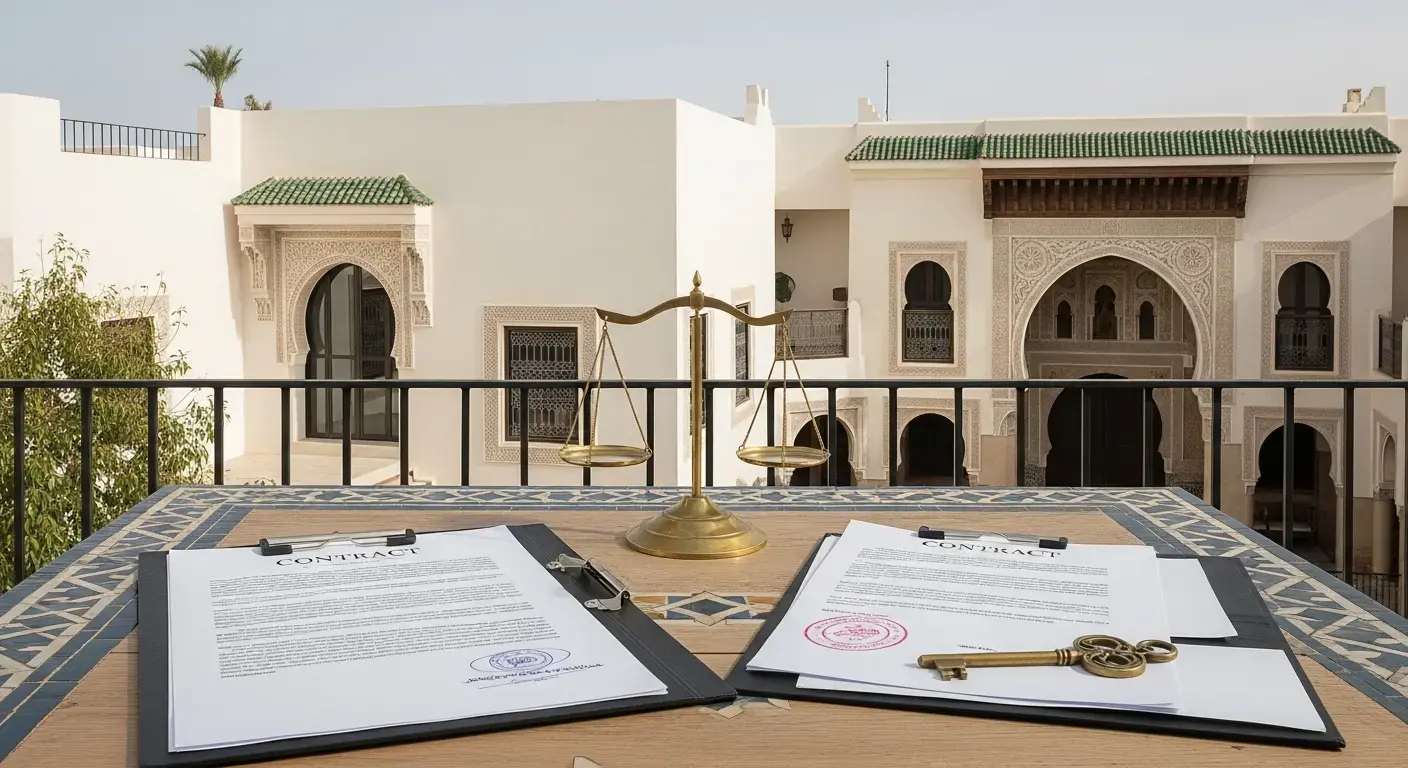
buying land in Imsouane foreigner legal rights Morocco investment property law collective land
Source: Unsplash.com — search “Morocco property legal document signing investment foreign”
Financing Your Imsouane Land Investment {#financing}
Financing options for buying land in Imsouane broadly mirror the patterns of Morocco’s wider coastal land market, with some considerations specific to Imsouane’s more remote location relative to major banking centers.
Cash purchases are the dominant approach among foreign investors buying land in Imsouane. Land financing from Moroccan banks is restricted for non-resident foreigners, and the relatively small transaction values typical of Imsouane land purchases — often $50,000–$200,000 — make international mortgage financing impractical. Most foreign buyers fund acquisitions from savings or home-country equity release.
Moroccan resident buyers can access land purchase loans from commercial banks at interest rates of 5–7% over 5–15 year terms, with loan-to-value ratios typically capped at 50–60% of assessed land value. CIH Bank and Attijariwafa Bank are the most active lenders in the Agadir-Souss region and are accessible from Imsouane through their Agadir branch networks.
Construction financing becomes available from Moroccan lenders once building permits are obtained and construction has commenced. Self-build mortgages (crédits promoteurs) release funds in tranches against construction milestones — a structure that limits lender exposure while enabling buyers to finance the build phase without full upfront capital.
MRE buyers benefit from dedicated diaspora investment products offered by Moroccan banks with more favorable terms than those available to non-Moroccan foreign buyers.
Always build a comprehensive total investment budget that goes beyond the land purchase price. Infrastructure connection costs in Imsouane — particularly for plots on the headland or north of the village — can include road access improvements, water supply connection, electricity installation, and sewerage solutions that add 20–40% to the effective development cost of a coastal plot. Plan these costs rigorously before committing to a purchase price.
For guidance on managing travel and research costs while scouting investment opportunities in Imsouane, see our Morocco travel cost and budget guide.
Development Potential and Return on Investment #roi
The development potential when buying land in Imsouane is the strongest argument for early investment in this destination. The natural assets are world-class, the international recognition is growing rapidly, and the development infrastructure — while still maturing — is improving steadily. Investors who build well-positioned, well-designed projects in Imsouane today are positioning themselves ahead of the curve.
Surf Lodges and Guesthouses are the highest-demand and highest-yielding development typology in Imsouane. The bay’s famous long wave attracts surfers of all levels year-round — from beginners learning on the gentle roller to experienced longboarders seeking extended rides. A well-designed surf lodge on a bay-view plot in Imsouane can achieve occupancy rates of 70–80% with good marketing and professional management, with nightly room rates of 600–1,800 MAD ($60–$180) depending on quality and season.
Understanding seasonal surf and tourism patterns is fundamental to any accommodation investment in Imsouane. Our detailed guide to surfing Imsouane in winter covers seasonal swell patterns, peak and shoulder season dynamics, and the visitor profile that fills beds through the cooler months — the same months that make Imsouane a year-round destination rather than a purely summer proposition.
Eco-Retreats and Wellness Centers are the fastest-growing development category in the Imsouane area. The bay’s combination of natural beauty, Atlantic energy, relative isolation, and genuine authenticity makes it an ideal setting for yoga retreats, mindfulness programs, digital detox experiences, and holistic wellness offerings. This market segment attracts high-value international guests who spend more per night and generate stronger reviews and word-of-mouth than budget surf travelers.
Private Villas for Short-Term Rental targeting the luxury end of the Airbnb and boutique villa rental market are increasingly viable in Imsouane as the destination’s international profile grows. A three-bedroom villa with bay views and a private terrace overlooking the surf break can achieve 4,000–10,000 MAD ($400–$1,000) per night in peak season with the right positioning and marketing.
Land Banking remains the most conservative and historically reliable pure investment strategy in Imsouane. Investors who purchased constructible plots in the bay area in 2018–2020 have seen values increase by 150–300% as the destination has gained international recognition. Buyers entering the market in 2026 at current prices are positioned similarly relative to where Imsouane will likely stand in 2030–2032 as infrastructure investment and World Cup tourism further raise the destination’s international profile.
For a broader perspective on Morocco’s property investment landscape, our guides to buying property in Marrakech, buying land in Agadir, and buying land in Taghazout provide essential context for evaluating Imsouane within the broader Moroccan investment market.
Common Mistakes to Avoid When Buying Land in Imsouane #mistakes
The Imsouane land market is rewarding for prepared investors and unforgiving of shortcuts. Here are the most critical mistakes to avoid:
Purchasing agricultural land as a foreign buyer. The absolute prohibition on foreign ownership of Moroccan agricultural land applies in Imsouane exactly as it does everywhere in Morocco. Some plots on the periphery of the village and along the approach road are agricultural land that cannot legally be sold to or owned by foreign nationals. Verify land classification before any commitment.
Failing to check for collective land ownership. Terres collectives — tribal or community-held land — cannot be sold to foreigners. In Imsouane and the surrounding region, collective land rights have historical depth that predates the modern titre foncier system. Your notary’s verification must explicitly confirm individual title registration.
Not obtaining the certificat d’urbanisme. The coastal protection zone around Imsouane imposes setback requirements, height limits, and construction restrictions that are not always obvious from physical inspection of a plot. Always obtain the certificat d’urbanisme before agreeing a price.
Skipping the Moroccan bank account step. Routing purchase funds outside the Moroccan banking system permanently forfeits the right to repatriate your investment. This mistake cannot be corrected after the fact and affects every exit scenario — sale, rental income repatriation, and inheritance.
Underestimating infrastructure costs. Imsouane is a relatively remote coastal village. Plots outside the established village core — particularly on the headland and north of the bay — may require significant upfront investment in access roads, water supply, electricity connection, and sewerage before construction can begin. Obtain infrastructure cost estimates from local engineers before negotiating a purchase price.
Buying without visiting in multiple seasons. Imsouane in October feels very different from Imsouane in January during Atlantic storm season, or in August when the village is at its busiest. Understanding how your target plot performs across all seasons is essential before committing. Read our best time to visit Morocco guide for a full seasonal breakdown of conditions along the Atlantic coast.
Relying on informal brokers. As Imsouane’s reputation grows, so does the number of informal intermediaries offering to facilitate land deals for foreign buyers. Always use a licensed Moroccan real estate agent (agent immobilier agréé) and a qualified notary — both are essential, non-optional protections when buying land in Imsouane.
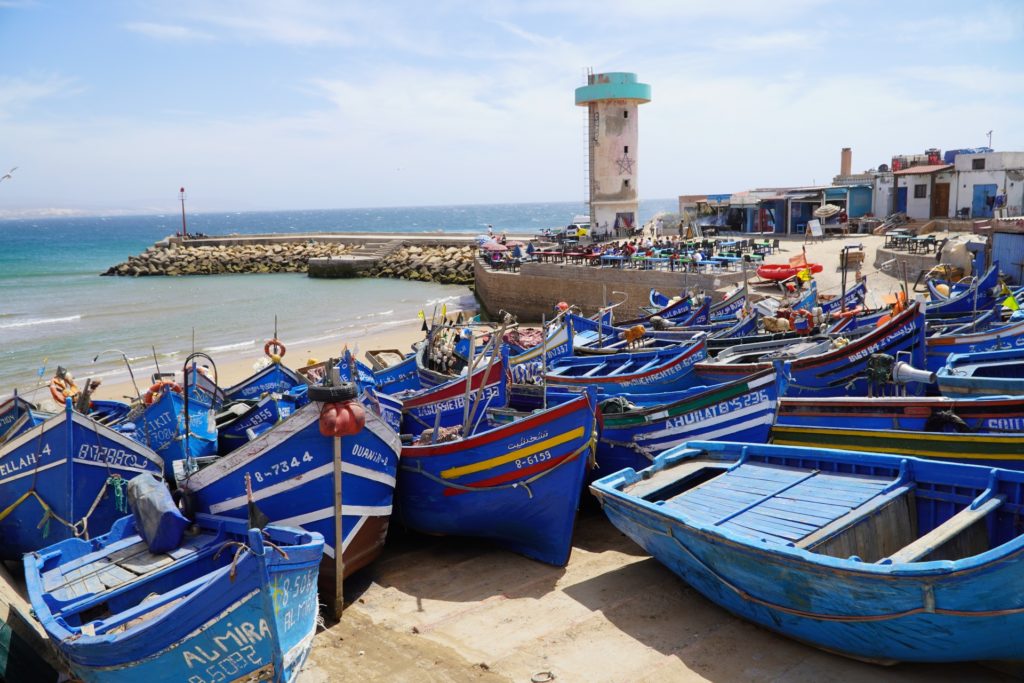
buying land in Imsouane mistakes to avoid tips Morocco coastal investment 2026
Source: Unsplash.com — search “Morocco coastal investment legal tips property mistake”
Useful Resources #resources
Before proceeding with buying land in Imsouane, these authoritative external resources will support your research and due diligence:
External resource: Conservation Foncière — Morocco Land Registry — Official verification of land titles, cadastral boundaries, collective land status, and ownership records for all plots in Morocco.
External resource: Agadir-Ida-Outanane Urban Agency — The regional urban planning authority covering Imsouane and the Souss-Massa coastal zone. Essential for certificats d’urbanisme, planning classifications, and coastal development regulations.
External resource: Moroccan Ministry of Finance — Land and Property Tax — Full information on annual land ownership taxes, capital gains obligations on land sales, and taxe de services communaux for the Souss-Massa region.
External resource: UK Foreign Office — Buying Property in Morocco — Practical guidance for British buyers on legal rights, financial repatriation rules, residency implications, and investment protections under Moroccan law.
Is Buying Land in Imsouane Right for You?
Buying land in Imsouane in 2026 offers something genuinely rare in the international real estate market — the opportunity to invest early in a world-class natural destination whose recognition is rising fast but whose prices have not yet fully caught up with its potential. The bay is extraordinary, the wave is irreplaceable, and the window of accessible pricing is open now but will not stay open indefinitely.
The investors who will benefit most from buying land in Imsouane are those who combine genuine enthusiasm for what makes this place special with rigorous professional preparation — verifying titles meticulously, understanding planning classifications deeply, budgeting infrastructure costs honestly, and working exclusively with licensed Moroccan professionals throughout every step of the process.
Done with care and preparation, buying land in Imsouane in 2026 offers a rare combination of lifestyle meaning, rental income potential, and long-term capital appreciation in one of the most beautiful coastal settings on the African continent.
Have questions about buying land in Imsouane? Leave a comment below or explore our full collection of Morocco investment and travel guides — including our guides to buying land in Taghazout, buying land in Agadir, buying property in Marrakech, things to do in Morocco, Morocco travel costs, best time to visit Morocco, the Imsouane bay guide, and surfing Imsouane in winter — for everything you need to invest with confidence in one of Morocco’s most extraordinary destinations.
Comments