 By
By Morocco Trekking Tours 2026: Best Hikes, Routes & Adventure Experiences
Morocco trekking tours 2026 are attracting more adventure travellers than ever before.
From the snow-capped peaks of the High Atlas to the golden silence of the Sahara, Morocco offers some of the most diverse and breathtaking trekking terrain on earth.
Whether you are a seasoned mountaineer or a casual hiker, this guide covers every route, tip, and piece of advice you need to plan your perfect Morocco trek.
Table of Contents
- Why Choose Morocco Trekking Tours in 2026
- Mount Toubkal — The Crown Route
- Top Trekking Routes Beyond Toubkal
- Sahara Desert Trekking
- Best Season to Trek
- Guided vs. Solo Trekking
- Essential Gear & Packing List
- Safety on the Trail
- How to Book a Morocco Trekking Tour
- Expert Tips for 2026
1. Why Choose Morocco Trekking Tours in 2026
Morocco sits at a remarkable crossroads of geography and culture.
The High Atlas Mountains stretch over 2,400 kilometres across the country, rising above 4,000 metres.
Yet compared to the Alps or Himalayas, these trails remain refreshingly uncrowded.
You get dramatic landscapes, genuine solitude, and real cultural encounters with Amazigh Berber communities — all in the same week.
In 2026, Morocco trekking tours benefit from improved trail infrastructure, better-trained guides, and stronger responsible tourism standards.
Following the 2023 earthquake, trekking tourism has become a vital income stream for mountain communities.
Your trek directly supports local families when you use certified guides and stay in village guesthouses.
Logistically, Morocco is easy. Direct flights reach Marrakech from dozens of cities worldwide.
The trailhead for North Africa’s highest mountain is just three hours from the airport.
No lengthy acclimatisation. No complex permits. Just mountains, culture, and open trails.
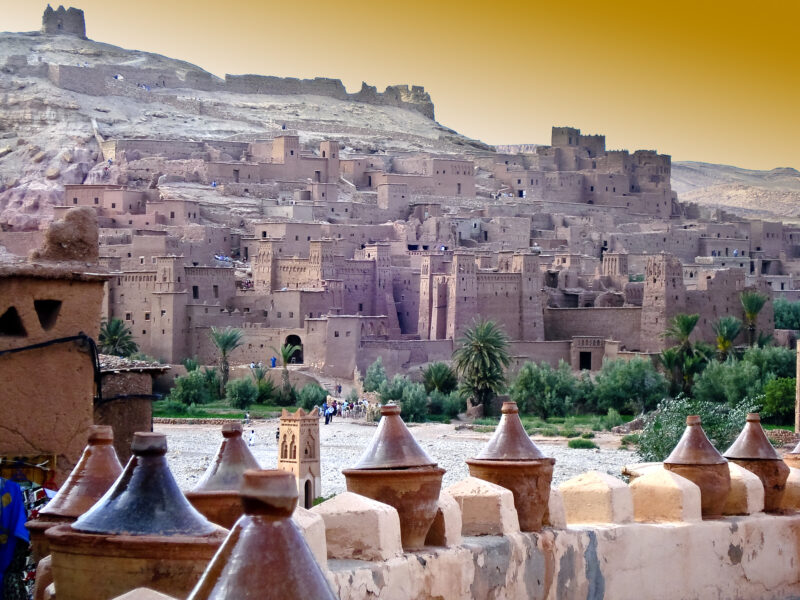
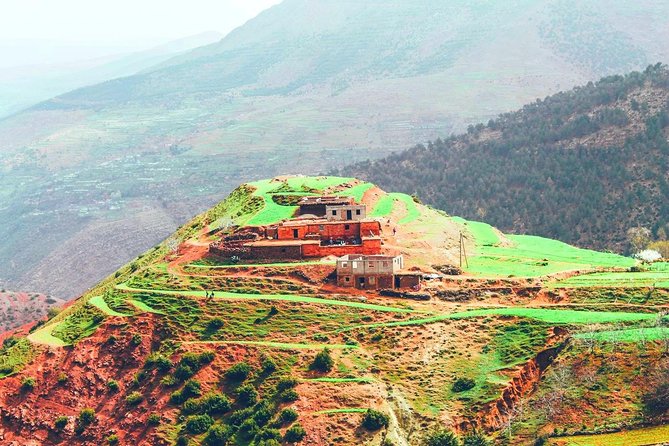
Morocco trekking tours 2026 — panoramic view of the High Atlas Mountains above the Imlil valley, gateway to Jebel Toubkal
2. Mount Toubkal — The Crown of Morocco Trekking Tours
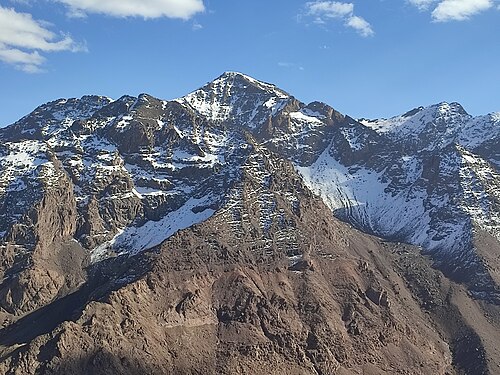
No guide to Morocco trekking tours 2026 starts anywhere other than Jebel Toubkal.
At 4,167 metres, it is the highest peak in North Africa and the Arab world.
Yet it is technically accessible to any fit hiker — no ropes, no technical climbing required.
The Classic 2-Day Ascent
The route begins at Imlil village (1,740m), reached by taxi from Marrakech.
Day one is a 4–5 hour hike through the Azzaden Valley to the Toubkal Refuge (3,207m).
You pass walnut groves, terraced Amazigh villages, and the shrine of Sidi Chamharouch along the way.
Day two is the summit push — 3–4 hours of rocky terrain and scree to the top.
On a clear day, views stretch from the Atlantic coast to the Sahara simultaneously.
The descent returns to Imlil the same day, making this a clean two-day adventure.
The Extended Toubkal Circuit (4–5 Days)
For more time on the mountain, the Toubkal Circuit is the best extension available.
It takes in Lac d’Ifni — Morocco’s only natural mountain lake — the remote Tizrag valley, and the Tacheddirt plateau.
This is one of the finest multi-day Morocco trekking routes and far less crowded than the summit trail.
Toubkal in Winter
Winter Toubkal is a different experience entirely.
Snow covers the upper mountain from November through April.
Crampons and ice axes become mandatory. The views in clear winter conditions are staggering.
Several specialist operators offer guided winter ascents for those with basic mountaineering experience.
“Standing on Toubkal’s summit with the Sahara to the south and Atlantic clouds to the west — it’s a geography lesson you feel in your chest.” — Morocco mountain guide, 12 years on the High Atlas
3. Top Morocco Trekking Routes Beyond Toubkal
Morocco’s trekking landscape goes far beyond one summit.
Here are the best routes for different styles and fitness levels.
M’Goun Traverse (5–7 Days | Moderate–Hard)
Morocco’s second highest peak at 4,068 metres anchors this spectacular traverse.
The route passes through the Aït Bou Guemez valley, the Gorges du M’Goun, and remote Amazigh villages.
Less crowded than Toubkal. Many experienced trekkers say it is more beautiful.
Aït Bou Guemez Valley Trek (3–5 Days | Moderate)
Known as “the Happy Valley,” this is one of Morocco’s most scenic walking destinations.
Terraced fields, mud-brick villages, and panoramic views — without extreme altitude.
Ideal for hikers who want culture as much as physical challenge.
Ourika Valley & Oukaimeden (1–2 Days | Easy–Moderate)
Perfect for travellers based in Marrakech who want a quick taste of the mountains.
The Ourika Valley offers half-day waterfall hikes; Oukaimeden delivers Atlas panoramas with a gentle approach.
Both are day-trip friendly from the city.
Rif Mountains & Chefchaouen Hikes (2–4 Days | Moderate–Hard)
The Rif Mountains north of Chefchaouen are dramatically underexplored.
Limestone peaks, cedar forests, and Berber villages at every turn.
Jebel Lakraa (2,156m) is the classic summit objective in this northern range.
Dadès & Todra Gorge Trail (2–3 Days | Moderate)
The Todra Gorge walls rise 300 metres above the valley floor.
Walking through them is genuinely awe-inspiring — one of Morocco’s most photogenic trekking experiences.
Connect to the Dadès Gorge for a multi-day canyon route combining geology, culture, and drama.
Anti-Atlas & Jebel Sirwa (3–6 Days | Easy–Moderate)
A quieter, warmer alternative to the High Atlas.
Ancient volcanic landscapes, saffron-growing villages, and the wonderful Sirwa traverse.
Best walked in February–March when almond trees are in full blossom.
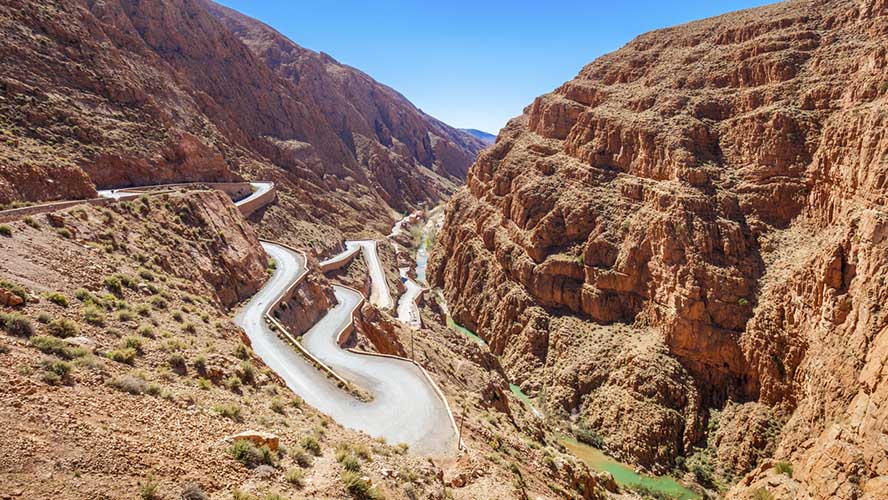
Morocco trekking tours 2026 — hikers walking through the 300-metre limestone walls of Todra Gorge in southeast Morocco
4. Sahara Desert Trekking
Most people picture mountains when they think of Morocco trekking tours.
But the Sahara Desert offers a completely different — and profoundly moving — adventure.
Erg Chebbi Dune Trekking (Merzouga)
The Erg Chebbi dunes near Merzouga rise to 150 metres and glow red at sunset.
Multi-day walking tours guided by local Saharan guides cross the dune sea on foot.
Two to three day circuits are the sweet spot — enough time to find genuine solitude.
Draa Valley Walking Routes
South of the High Atlas, the Draa Valley stretches 200 kilometres through kasbahs and palm groves.
Walking between Agdz and Zagora is a cultural and archaeological experience as much as a physical one.
Ancient Amazigh communities have farmed this valley for thousands of years.
M’Hamid El Ghizlane — Into the True Desert
For the most serious desert walkers, M’Hamid is the launching point for deep Sahara expeditions.
Multi-day camel-assisted routes push into the remote Erg Chigaga dune sea.
The reward: genuine solitude at the edge of one of Earth’s most extreme environments.
5. Best Season for Morocco Trekking Tours 2026
Season choice is the most important planning decision you will make.
Spring (March–May): The golden window. Wildflowers bloom, passes are open, temperatures are perfect. Best overall season for Atlas trekking.
Summer (June–August): High Atlas routes are viable but hot on approach. Avoid Sahara treks — temperatures exceed 45°C.
Autumn (September–November): Excellent second season. Stable weather, fewer crowds, and the Sahara cools into prime condition.
Winter (December–February): Winter mountaineering on Toubkal. Anti-Atlas and Sahara treks are beautiful. High passes may be snow-blocked without equipment.
For most Morocco trekking tours 2026, the ideal windows are late March through May and September through November.
For Sahara trekking specifically, October through February is the most comfortable period by far.
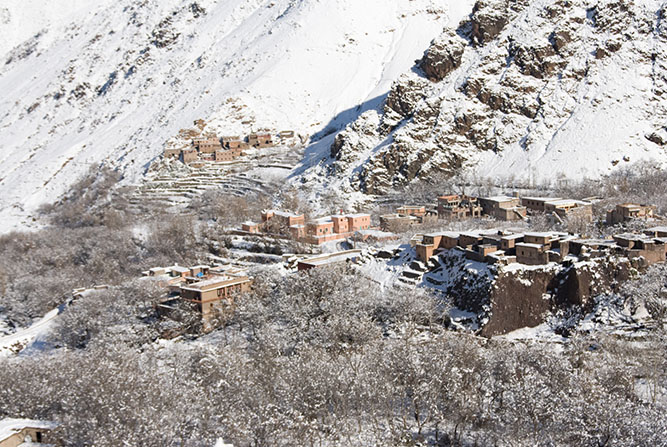
Morocco trekking tours 2026 — spring wildflowers covering the High Atlas valley slopes near Imlil in April
6. Guided vs. Solo Trekking in Morocco
The Case for a Guided Tour
A certified Moroccan mountain guide brings far more than navigation.
They speak every village’s language on the route. They know which gîte serves the best tagine.
They understand which trails were affected by earthquake damage in 2023.
On technical routes like Toubkal or M’Goun, a guide is essentially mandatory.
The Moroccan Federation of Mountain Guides maintains a register of certified guides — always verify FRMGT certification before booking.
The Case for Going Solo
Experienced trekkers with strong navigation skills can walk some routes independently.
The Ourika Valley day hikes and the Imlil to Toubkal Refuge path are manageable without a guide.
That said, trails in Morocco are rarely marked to European standards, and High Atlas weather changes fast.
Always carry detailed paper maps, a GPS device with offline capability, and a satellite communicator.
Honest recommendation: Even experienced trekkers benefit enormously from local guides. The cultural knowledge they bring transforms any route from a physical challenge into a genuine encounter with mountain culture.
7. Essential Gear & Packing List
Essential — do not leave home without:
- Hiking boots with ankle support (break in before travel)
- 3-season sleeping bag rated to -5°C
- Sun protection: SPF 50+, wide-brim hat, UV sunglasses
- Headlamp with spare batteries
- Lightweight down jacket
- Water purification tablets or filter
Strongly Recommended:
- Trekking poles — critical for Toubkal’s scree descent
- Electrolyte tablets — dehydration risk at altitude is high
- Satellite communicator (Garmin inReach or similar)
- Water purification system
Winter Only:
- Crampons and ice axe — mandatory on Toubkal December through March
- Hire available in Imlil if you prefer not to travel with them
Optional:
- Gaiters for scree and winter snow
- Lightweight camp shoes for gîte evenings
8. Safety on Morocco Trekking Tours
Morocco’s mountain trails are demanding but not inherently dangerous for prepared trekkers.
The main risks are altitude sickness, weather changes, rocky terrain injury, and dehydration.
All are manageable with knowledge and the right preparation.
Altitude Sickness
Toubkal (4,167m) and M’Goun (4,068m) are high enough to cause Acute Mountain Sickness.
Symptoms include headache, nausea, and fatigue.
The correct strategy for Toubkal: ascend to the summit and return to lower altitude the same day.
If symptoms are severe, descend immediately. Speak to your doctor about acetazolamide before departure.
Weather Hazards
High Atlas weather deteriorates fast, even in summer.
Afternoon thunderstorms are common June through August.
Always start summit days before dawn.
Check forecasts via Meteoblue mountain weather before every hiking day.
Never push for a summit against your guide’s advice.
Trekking Insurance
Standard travel insurance typically excludes trekking above 3,000–4,000 metres.
Check your policy specifically for high-altitude cover and mountain rescue reimbursement.
World Nomads and True Traveller offer Morocco-compatible trekking policies.
This is not optional — helicopter rescue from the High Atlas is expensive.
Morocco trekking tours 2026 — a certified Amazigh mountain guide leading a small group on a High Atlas trail above a traditional Berber village
9. How to Book a Morocco Trekking Tour in 2026
What to Look for in an Operator
- FRMGT-certified guides — ask for certification evidence before booking
- Locally based — operators in Imlil or Marrakech channel more money to communities
- Transparent pricing — understand exactly what is included before paying
- Small groups — 8 or fewer trekkers deliver a dramatically better experience
- Responsible tourism policies — fair wages for porters, established campsites, trail maintenance contributions
The Responsible Travel directory lists vetted Morocco trekking operators committed to sustainability standards.
Price Guide for 2026
- 2-day Toubkal ascent: $180–280 USD per person
- 5-day M’Goun traverse: $450–700 USD per person
- Day hikes from Marrakech: $50–120 USD per person
- Private guiding: $80–140 USD per day (guide fee only)
For broader Morocco trip planning, read our complete Morocco travel tips 2026 guide, our best Marrakech day trips guide, and our Sahara desert experience guide.
10. Expert Tips for Morocco Trekking Tours 2026
Start summit days before 4am. Toubkal’s weather is most stable at dawn. Afternoon storms build fast in summer. The sunrise from the summit is worth every early alarm.
Always hire a mule on multi-day treks. It costs $20–35 per day and is a direct income lifeline for local families. Walking light transforms the entire experience.
Drink far more water than you think you need. At altitude in a dry mountain climate, dehydration creeps up invisibly. Aim for 4 litres per day on summit days.
Learn a few Amazigh words. “Azul” (hello in Tamazight) earns instant warmth from mountain villagers. The Amazigh people of the High Atlas are extraordinarily hospitable — meet them halfway.
Embrace the disconnection. Mobile signal disappears above Imlil. Treat the Atlas as one of the last places where digital silence is naturally enforced. The best moments always happen offline.
Leave No Trace — strictly. Atlas ecosystems are fragile. Pack out all waste. Stay on established trails. Use gîtes rather than wild camping wherever possible.
Add one extra day to your plan. Every experienced Morocco trekker says the same thing: the unplanned moments — the village lunch that lasted three hours, the mist that lifted to reveal a valley you never expected — define the trip.
Morocco trekking tours 2026 offer something increasingly rare in modern adventure travel — wild landscapes, authentic communities, and challenges proportionate to the rewards.
Plan carefully, travel responsibly, and go.
Always verify trail conditions, guide certification, and travel insurance coverage before departure. For official entry requirements, check the Moroccan Ministry of Foreign Affairs.
Comments