 By
By
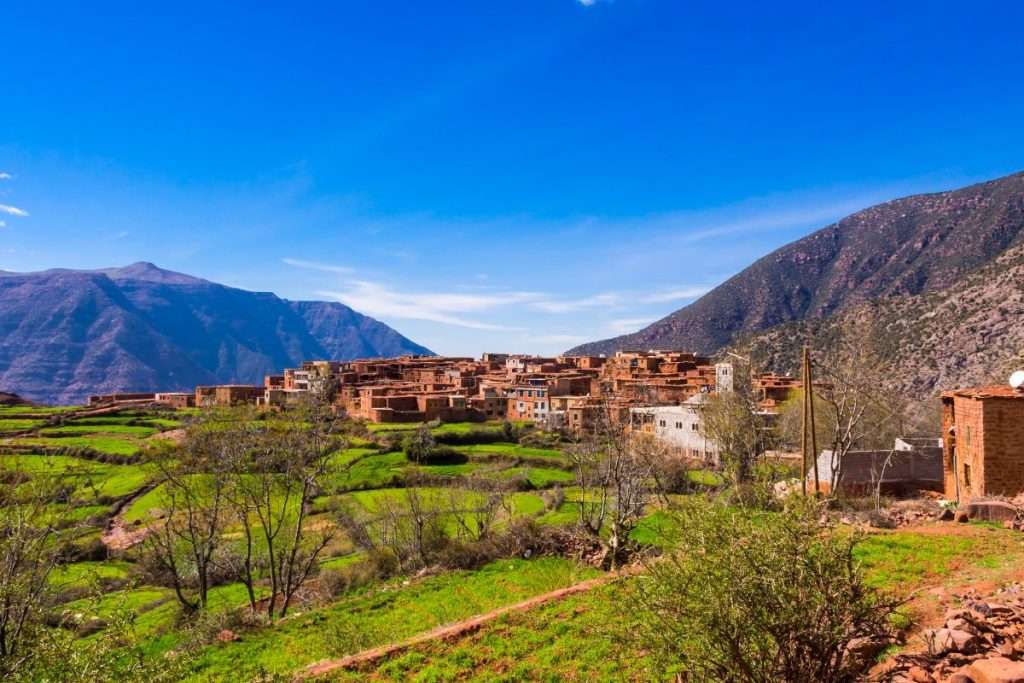
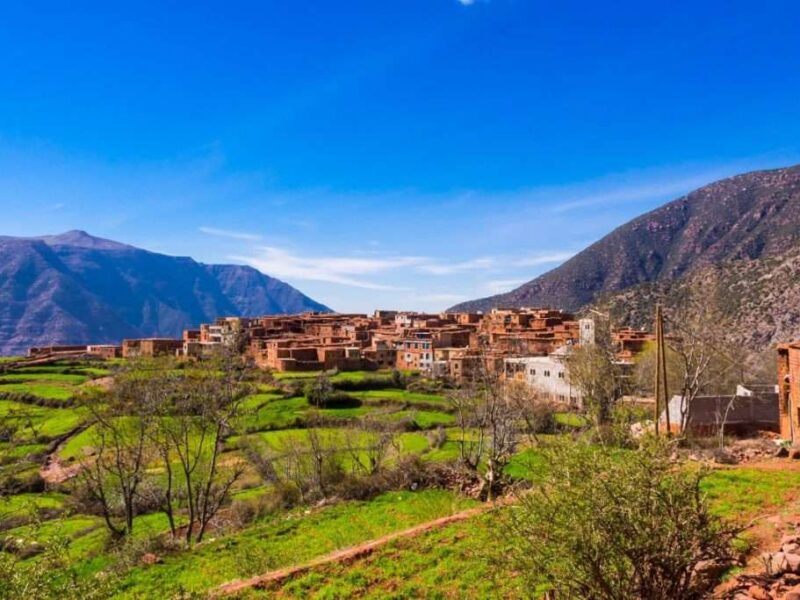
best time to visit Morocco spring wildflowers Atlas Mountains landscape
Unsplash.com — search “Morocco spring landscape mountains flowers”
Table of Contents
- Best Time to Visit Morocco: Quick Overview
- Best Time to Visit Morocco: Spring (March–May)
- Best Time to Visit Morocco: Summer (June–August)
- Best Time to Visit Morocco: Autumn (September–November)
- Best Time to Visit Morocco: Winter (December–February)
- Best Time to Visit Morocco by Region
- Morocco Festivals and Events 2026
- Best Time to Visit Morocco: Travel Tips
- Useful Resources
Introduction
Best time to visit Morocco is one of the most searched questions among travellers planning their first — or fifth — trip to this extraordinary North African destination. The answer depends on where you are going, what you want to do, and how you handle heat, crowds, and rain.
Morocco is a year-round destination, but not all seasons are equal. The country spans an enormous range of climates within a relatively compact geography — from Mediterranean coastlines in the north to the full Saharan desert in the south, with snow-capped Atlas Mountain passes in between. A season that is perfect for hiking Jebel Toubkal may be brutal for exploring the Fès medina, and vice versa.
This guide breaks down every season, every region, and every major event so you can identify the best time to visit Morocco for your specific trip in 2026 — whether you are planning a family holiday, a solo adventure, a honeymoon, or a budget backpacking journey.
For the latest official travel conditions and entry requirements, always check the Morocco National Tourism Office before you travel.
Planning your itinerary? See our complete guide to things to do in Morocco for the best experiences across every season.
Best Time to Visit Morocco: Quick Overview {#overview}
Before diving into the detail, here is a fast-reference summary of Morocco’s seasons:
Spring (March–May) — ⭐ Best Overall Mild temperatures everywhere, wildflowers in the Atlas, comfortable desert conditions, and the famous Rose Festival. The single best time to visit Morocco for most travellers.
Autumn (September–November) — ⭐ Best Overall Equally excellent. Summer heat has passed, skies are clear, and tourist crowds thin out significantly after mid-September. A close rival to spring as the best time to visit Morocco.
Winter (December–February) — Good for Desert and Coast Warm and sunny in the Sahara and on the Atlantic coast. Cold and occasionally snowy in the mountains. Cities are quiet and prices are low — excellent value for budget travellers.
Summer (June–August) — Best for Coast and North Only Searing heat in the Sahara and interior cities (regularly 40–45°C). Comfortable and breezy on the Atlantic coast. Crowded and expensive in peak July–August. Not the best time to visit Morocco inland.
Best Time to Visit Morocco: Spring (March–May) {#spring}
Spring is widely considered the best time to visit Morocco, and it earns that reputation comprehensively. From March through May, temperatures across the country settle into an ideal range — warm enough to enjoy outdoor activities but cool enough to spend full days exploring medinas without discomfort.
March
March marks the beginning of spring in Morocco and is one of the most pleasant months to visit. Temperatures in Marrakech average 20–22°C, Fès reaches 17–19°C, and the High Atlas Mountains begin to thaw from their winter snowfall, opening up trekking routes. The desert around Merzouga is warm and golden — perfect for camel trekking — without the intense heat that makes summer visits uncomfortable.
Crowds are still relatively thin in early March, meaning shorter queues at popular sites and more negotiating power for riad bookings. March is an excellent month for photography — clear skies, soft light, and landscapes still green from winter rains.
April and May
April and May elevate the spring experience further. The Dades Valley and surrounding areas burst into color as Damask roses bloom across the hillsides ahead of the famous Rose Festival in Kelaat M’Gouna (typically held in early May). The Atlas Mountains are at their most beautiful — snow still visible on the highest peaks, lower slopes carpeted in wildflowers and almond blossom.
Temperatures climb gradually through April and May — Marrakech averages 25–28°C by late May, which remains very comfortable for sightseeing. The Sahara warms too, so early April is better for desert camps than late May if you are sensitive to heat.
Spring is also the best season to explore Morocco’s Atlantic coast. If you are planning time in Essaouira or Agadir, read our full guide to surfing and travel on the Morocco Atlantic coast for everything you need to know about conditions, accommodation, and activities in spring.
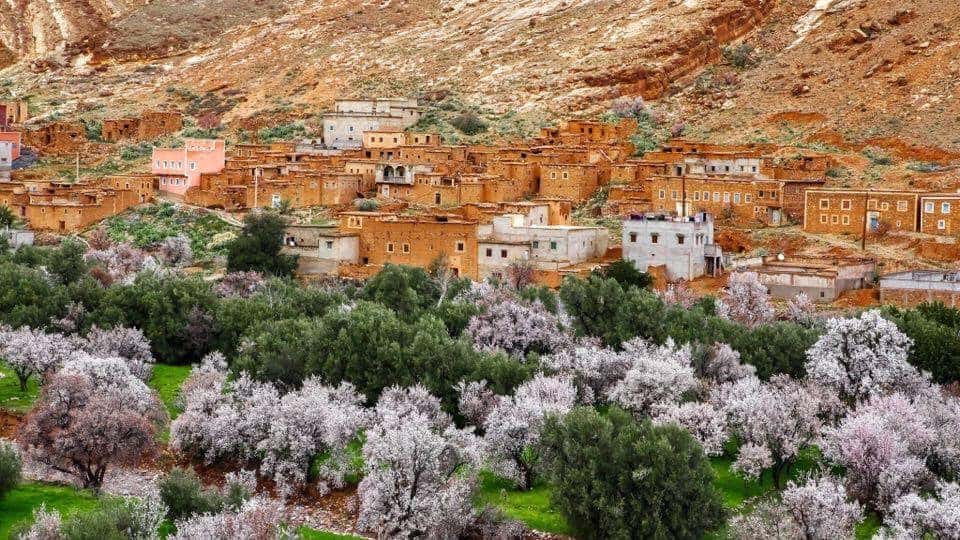
best time to visit Morocco spring Rose Festival Dades Valley bloom April May
Unsplash.com — search “Morocco rose valley Dades spring”
Best Time to Visit Morocco Summer (June–August) {#summer}
Summer is the most polarizing season when evaluating the best time to visit Morocco. It is simultaneously the worst time for inland and desert travel and the best time for the Atlantic coast.
Inland Cities in Summer
June, July, and August bring intense, sustained heat to Morocco’s interior cities and the Sahara. Marrakech regularly hits 38–42°C in July and August. Fès is similarly brutal, with heat amplified by the narrow enclosed streets of the medina. The Sahara desert near Merzouga can reach 48°C at peak summer — camel trekking and desert camping become genuinely dangerous and are not recommended.
Sightseeing in medinas requires very early starts (before 9am) and long midday breaks. Energy drains quickly, and the experience of wandering souks and palaces is considerably less enjoyable than in spring or autumn.
Atlantic Coast in Summer
The Atlantic coast is a completely different story in summer. Essaouira benefits from the Alisé trade winds that cool the town to a pleasant 22–26°C even at the height of summer — earning it the nickname “the wind city of Africa.” Agadir and the southern beaches offer warm, sunny days perfect for swimming and water sports without inland’s brutal heat.
Summer is peak tourist season on the Moroccan coast, so accommodation prices rise significantly and beaches become crowded. Book well in advance if visiting Essaouira or Agadir in July or August. For a detailed breakdown of what to expect on the coast in summer, visit our guide to Imsouane — Morocco’s most beautiful bay where summer brings ideal conditions for longboard surfing and swimming.
Chefchaouen and the Rif Mountains
The north offers another summer refuge. Chefchaouen sits at 600 metres altitude in the Rif Mountains and maintains comfortable temperatures of 28–32°C even in midsummer — noticeably cooler than Marrakech or Fès. The blue city is extremely popular with domestic Moroccan tourists in summer, so expect full riads and busy streets.
Best Time to Visit Morocco: Autumn (September–November) {#autumn}
Autumn rivals spring as the best time to visit Morocco and has one significant advantage — the crowds. While spring attracts the highest visitor numbers of any season, autumn sees a marked drop in tourist traffic from mid-September onwards, making it an ideal time to experience popular sites without the pressure.
September
September is a transitional month. Early September still carries summer’s heat — Marrakech averages 32–35°C — but temperatures drop noticeably from mid-month onwards. The Sahara cools to very pleasant conditions of 28–32°C, making late September one of the best windows of the entire year for desert camping and camel trekking.
The Atlantic coast remains warm and swimmable throughout September, combining well with inland exploration for travellers on a two-week itinerary. September is also one of the best months for surfing Morocco’s Atlantic breaks — swells build from the north and winds ease compared to summer. See our guide to surfing in Morocco in autumn for break-by-break conditions and what to expect at spots from Imsouane to Taghazout.
October and November
October is arguably the single best month to visit Morocco. Temperatures across all regions settle into perfect sightseeing range — Marrakech averages 26°C, Fès 22°C, Chefchaouen a cool 20°C. The desert is golden and warm without being oppressive. The Atlas Mountain trekking season peaks in October with clear skies and ideal conditions for ascending Jebel Toubkal.
Tourist numbers are meaningfully lower than spring, riad prices dip, and Moroccan cities feel more authentic — the street life, the cafés, the souks all pulse with local energy rather than tourist management.
November brings the first cool evenings to mountain areas and the first rain to northern cities. It remains a fine month to visit, particularly for the Sahara and the imperial cities, but pack a layer for evenings.
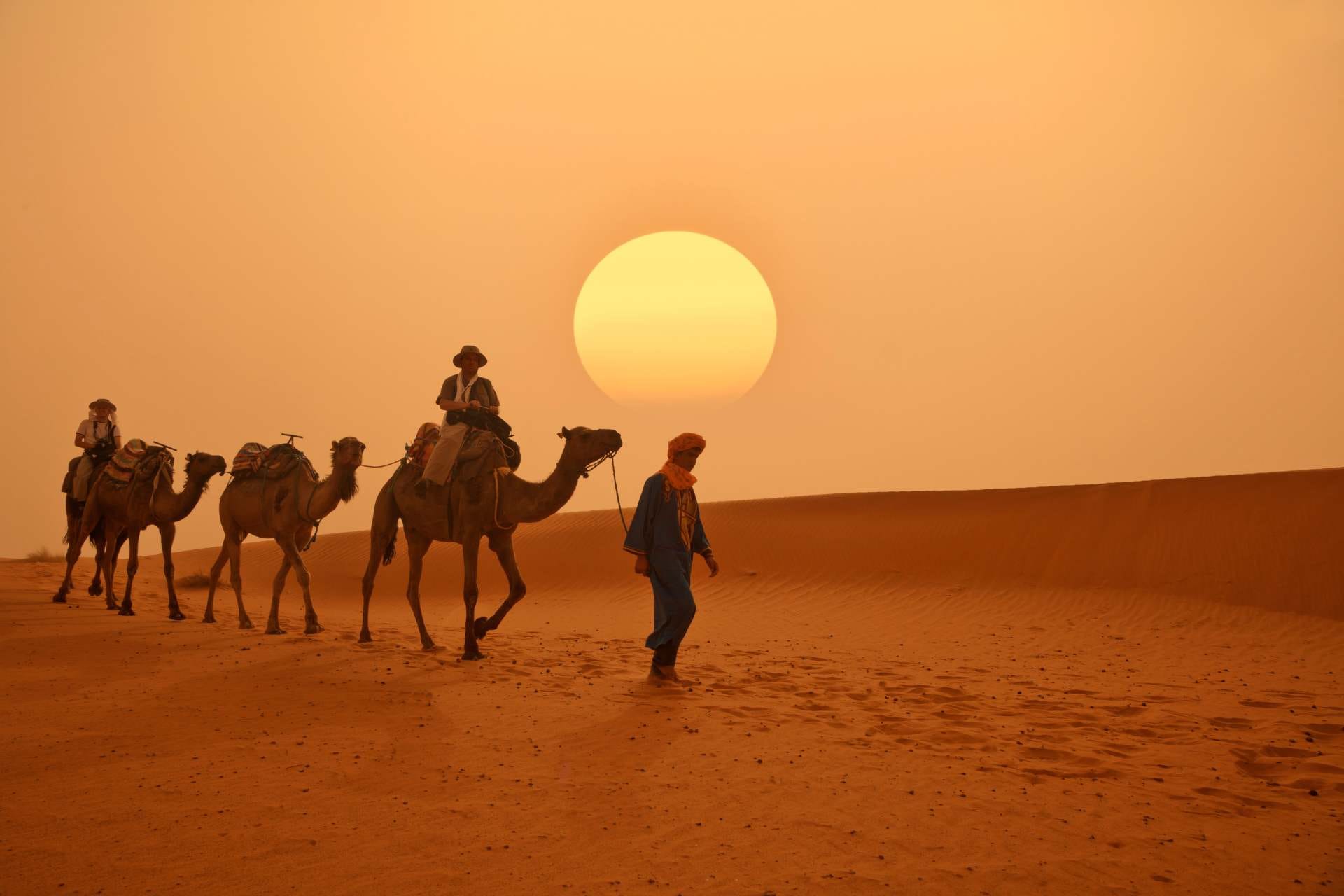
best time to visit Morocco autumn October Sahara desert camel trek clear skies
Unsplash.com — search “Morocco Sahara autumn desert golden”
Best Time to Visit Morocco: Winter (December–February) {#winter}
Winter is the most underrated of all seasons when considering the best time to visit Morocco. While northern Europe and North America shiver, Morocco offers a surprisingly pleasant winter escape — particularly in the Sahara, along the Atlantic coast, and in the southern imperial cities.
Desert and South in Winter
The Sahara in December and January is genuinely beautiful — warm days of 20–24°C, cold and starry nights, and a golden quality to the light that photographers prize above all other seasons. Desert camps at Merzouga are at their most atmospheric in winter, with freezing-clear nights ideal for stargazing and campfire evenings that feel authentically Berber rather than tourist-packaged.
Ouarzazate, the Draa Valley, and the kasbah route from Marrakech to Merzouga are all excellent in winter. Aït Benhaddou glows in the low winter sun.
Marrakech and Coastal Cities in Winter
Marrakech in January averages 18°C by day — warm enough for outdoor sightseeing in a light jacket, cool enough to make medina exploration genuinely comfortable. The city is significantly quieter than spring or autumn, prices for riads drop by 20–35%, and the streets have a relaxed, unhurried quality.
The Atlantic coast is outstanding in winter for surfers. Imsouane, one of Morocco’s most beloved surf villages, receives its best and most consistent long-period swells between November and March. Read our dedicated guide to surfing Imsouane in winter for tide tables, swell forecasts, and accommodation recommendations for the cold-season surf season.
Mountains in Winter
The High Atlas Mountains in winter are a different proposition entirely. Heavy snowfall closes the Tizi n’Tichka pass periodically between December and February and makes the Jebel Toubkal summit attempt genuinely dangerous without crampons and ice axe experience. Winter in the mountains is best appreciated from the valleys — dramatic snow-capped scenery viewed from the comfort of a mountain guesthouse rather than from a summit ridge.
For a full breakdown of how winter affects Morocco travel costs and accommodation pricing, see our Morocco Travel Cost and Budget Guide 2026.
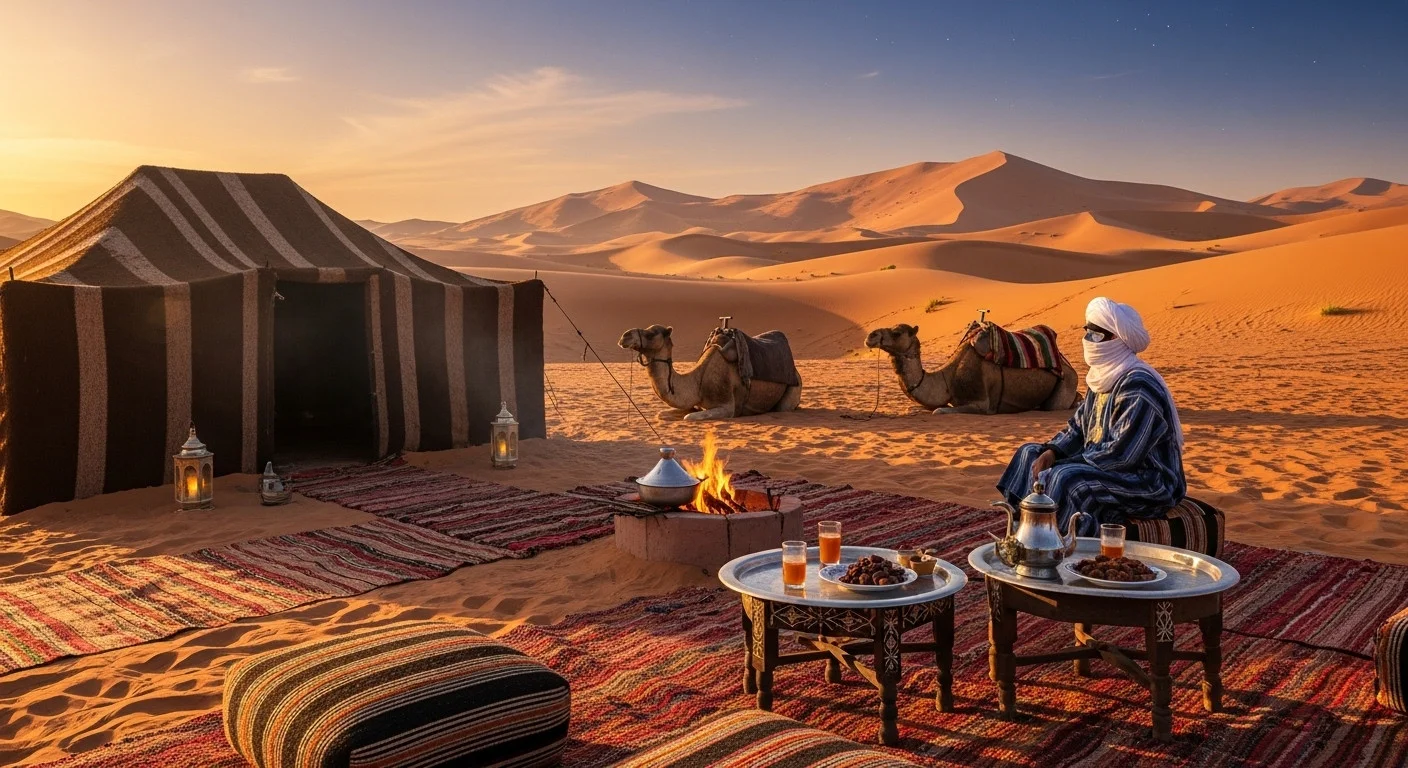
best time to visit Morocco winter Sahara desert camp stargazing cold clear nights
Unsplash.com — search “Morocco desert camp winter night stars”
Best Time to Visit Morocco by Region {#by-region}
Different regions of Morocco have genuinely different optimal visiting windows. Here is a quick regional breakdown of the best time to visit Morocco depending on your destination:
Marrakech and the Imperial Cities: March–May and September–November. Avoid July–August unless you enjoy extreme heat.
Sahara Desert (Merzouga, M’Hamid): October–April. Peak season is November–February for photographers and desert camp enthusiasts. Avoid June–August entirely.
Atlas Mountains (Toubkal trek): June–September for summit attempts. April–May and September–October for valley trekking and village exploration.
Atlantic Coast (Essaouira, Agadir, Imsouane, Taghazout): Year-round. June–September for beach holidays. October–April for surfing. For the most complete guide to Morocco’s Atlantic surf coast, read our article on the best surf spots in Morocco from north to south.
Chefchaouen and the North: April–June and September–October. July–August is busy but manageable given the altitude.
Fès: March–May and September–November. Avoid summer — the enclosed medina amplifies heat severely.
Morocco Festivals and Events 2026 {#festivals}
Timing your visit around Morocco’s festivals adds tremendous cultural richness to any trip. Here are the key events to factor into your best time to visit Morocco planning for 2026:
Almond Blossom Festival, Tafraoute — February The Anti-Atlas foothills turn white and pink as almond trees bloom. One of Morocco’s most beautiful and least-touristy seasonal events.
Rose Festival, Kelaat M’Gouna — May The Dades Valley celebrates its Damask rose harvest with parades, music, and the crowning of a Rose Queen. One of the most joyful and photogenic events in the Moroccan calendar.
Gnaoua World Music Festival, Essaouira — June Four days of free outdoor concerts combining traditional Gnaoua trance music with international jazz, blues, and world music artists. One of Africa’s greatest music festivals and a powerful reason to visit Essaouira in early June before summer heat peaks inland.
External resource: Gnaoua Festival Official Website
Imilchil Marriage Festival, High Atlas — September A centuries-old Berber festival where members of the Aït Haddidou tribe gather for betrothal ceremonies, music, and trading. Remote, authentic, and deeply moving.
Marrakech International Film Festival — November/December One of Africa’s most prestigious film festivals, drawing international directors, actors, and cinephiles to Djemaa el-Fna and the city’s historic venues.
External resource: Marrakech Film Festival
Ramadan 2026 Ramadan falls in a different window each year based on the Islamic lunar calendar. In 2026, Ramadan is expected to begin around late January or early February. Travelling during Ramadan is a fascinating cultural experience — evening iftars are joyful and generous — but restaurant hours change significantly during daylight and some services are reduced. For advice on managing your Morocco trip around Ramadan, see our complete Morocco travel tips guide.
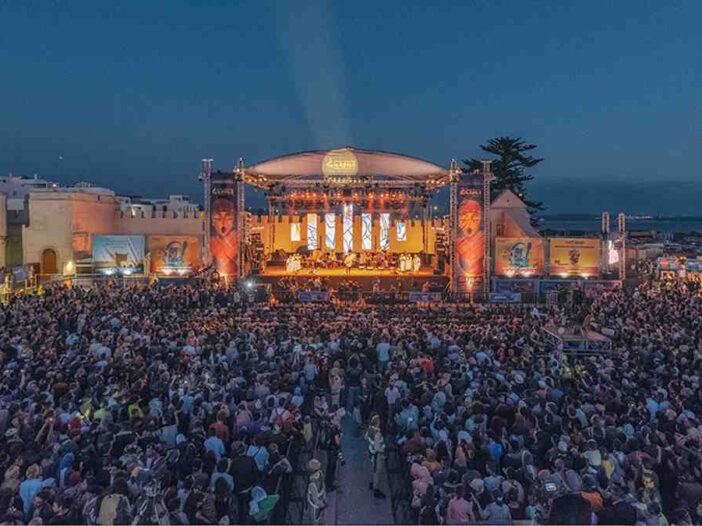
best time to visit Morocco festivals Gnaoua music festival Essaouira events 2026
Unsplash.com — search “Essaouira music festival Morocco”
Best Time to Visit Morocco: Practical Travel Tips {#travel-tips}
Book Accommodation Early for Spring and October
The best riads in Marrakech, Fès, and Chefchaouen sell out months in advance during peak spring (April–May) and October. If your dates are fixed, book accommodation as early as possible — three to six months ahead for boutique riads during these windows.
Pack for Variable Temperatures
Even in optimal spring and autumn seasons, Moroccan temperatures vary dramatically between day and night — particularly in the desert and mountains. Pack light layers you can add and remove easily. A light jacket is essential for desert nights even in April and October.
Check Mountain Pass Road Conditions
If your Morocco itinerary includes the Tizi n’Tichka mountain pass (the main route from Marrakech to the Sahara), check road conditions before departing between November and March. Snowfall can close the pass temporarily, requiring an alternative southern route via Agadir and Tiznit. For full route planning advice including alternative roads and seasonal conditions, visit our Morocco road trip guide.
External resource: Morocco road conditions and travel safety — UK Foreign Office
Allow Buffer Days
Morocco runs on its own rhythm. Trains occasionally run late, shared taxis fill slowly, and the best experiences often happen when you linger longer than planned. Build at least two buffer days into any two-week itinerary — you will be grateful for them.
Travel Insurance
Always arrange comprehensive travel insurance before visiting Morocco. Medical facilities in major cities are good, but evacuation from remote mountain or desert areas can be expensive without coverage.
External resource: World Nomads Travel Insurance for Morocco
What Is the Best Time to Visit Morocco in 2026?
The best time to visit Morocco in 2026 is either spring — specifically April and early May — or autumn, with October standing out as the single finest month for most travellers. Both seasons offer ideal temperatures across all regions, manageable crowds, excellent accommodation availability, and Morocco at its most vibrant and beautiful.
That said, Morocco rewards visitors in every season. Winter offers a magical Sahara, a quiet Marrakech, and prices that make luxury accessible. Summer opens the Atlantic coast and the cool blue streets of Chefchaouen. There is genuinely no wrong time to visit — only better and worse fits for your specific interests and itinerary.
Start planning your 2026 trip today and explore our full collection of Morocco travel guides for everything you need. Whether you are planning a Morocco road trip, looking for the best things to do in Morocco, researching Morocco travel costs, or searching for the perfect surf trip to Imsouane, we have everything covered.
Have questions about the best time to visit Morocco? Leave a comment below — we would love to help you plan the perfect trip.
Comments