 By
By
Morocco travel tips complete insider guide 2026 medina souks Atlantic coast practical
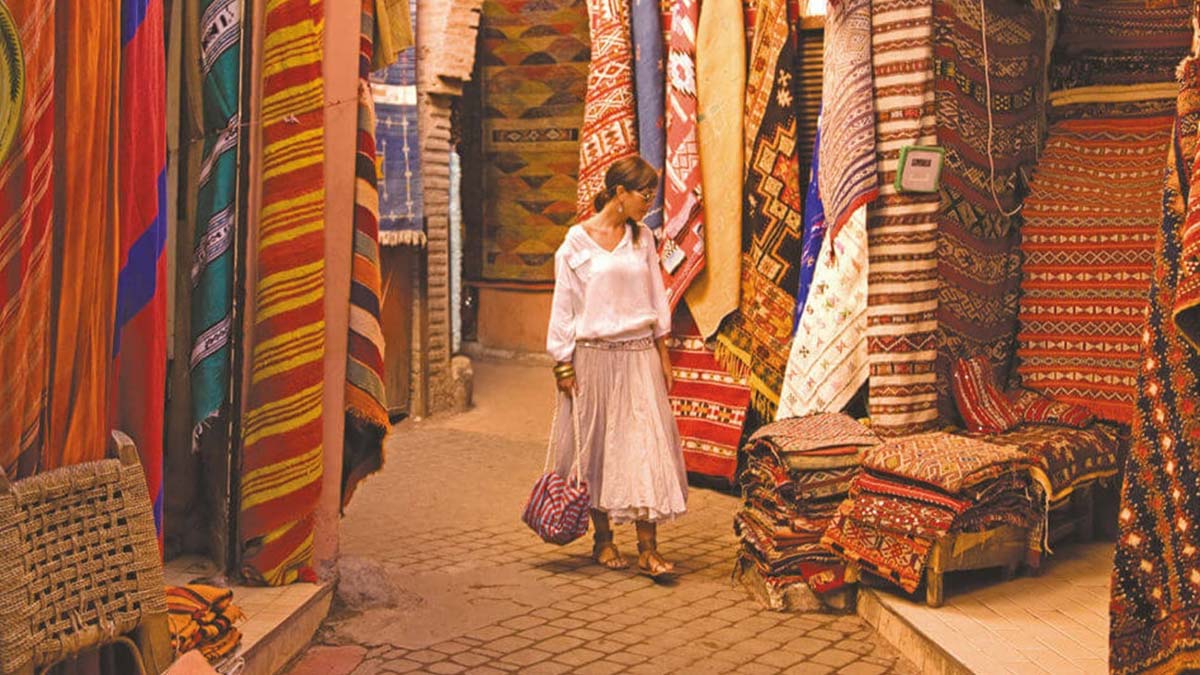
Table of Contents
- Morocco Travel Tips: Introduction
- Morocco Travel Tips: Before You Go
- Morocco Travel Tips: Money and Budget
- Morocco Travel Tips: Getting Around
- Morocco Travel Tips: Accommodation
- Morocco Travel Tips: Food and Eating
- Morocco Travel Tips: Culture and Etiquette
- Morocco Travel Tips: Safety and Health
- Morocco Travel Tips: Packing Guide
- Morocco Travel Tips: Regional Advice
Introduction
Morocco travel tips are among the most searched pre-trip queries of any North African destination — and for good reason. Morocco is an extraordinary country that rewards well-prepared visitors with experiences of genuine depth and lasting memory, and punishes unprepared ones with avoidable complications that eat into limited travel time and limited budgets.
Morocco travel tips in 2026 are more relevant than ever. The country is at a fascinating point in its development — more accessible and better infrastructure than ever before, thanks to World Cup preparation investment, but still retaining the authentic cultural character and genuine human warmth that make Morocco one of the world’s most rewarding destinations for curious and respectful travellers. Understanding how to navigate Morocco intelligently — how to handle haggling, how to find the finest food away from the tourist circuit, how to respect the cultural context that makes every interaction genuinely meaningful, how to manage your budget to stretch every dirham — transforms the Morocco travel experience from good to genuinely extraordinary.
This guide covers every essential Morocco travel tip across ten comprehensive categories — from pre-departure preparation and money management to cultural respect, regional advice, and the packing list that has been refined by hundreds of Morocco journeys into the most useful single guide available for 2026 visitors.
Before diving into the practical Morocco travel tips, get the complete destination picture by reading our comprehensive Morocco tourism guide and our Morocco country guide — essential context for understanding the destination these travel tips are designed to help you experience fully.
Morocco Travel Tips: Before You Go
The Morocco travel tips that deliver the highest return on pre-departure investment are those that prevent avoidable complications before they arise — saving time, money, and frustration at the moments when you can least afford to deal with them.
Check Your Passport Validity Now
The single most important Morocco travel tip for any international visitor is to check passport validity before booking flights — not after. Morocco requires a minimum of six months of passport validity beyond your intended entry date. This rule is strictly enforced at all Moroccan ports of entry and has caught thousands of unprepared travellers who did not discover the problem until they arrived at the departure airport.
If your passport expires within six months of your planned Morocco arrival date, renew it immediately. Do not wait. A passport renewal takes 2–6 weeks in most countries — beginning the process after booking flights that depart in two months introduces unnecessary risk.
Verify Visa Requirements for Your Nationality
Morocco travel tips on visa requirements vary significantly by nationality. Citizens of the EU, UK, USA, Canada, Australia, and most other Western countries enter Morocco visa-free for stays of up to 90 days. Citizens of certain other nationalities require a visa obtained in advance from a Moroccan consulate. Always verify the current requirement for your specific nationality at the official Moroccan consulate website before booking — visa requirements change periodically and Morocco travel tips based on outdated information can cause serious disruption.
For a complete guide to Morocco entry documentation, read our dedicated Morocco travel requirements guide.
Get Travel Insurance Before Departure
Among all the Morocco travel tips in this guide, purchasing comprehensive travel insurance before departure is the most financially protective and the most frequently ignored. Morocco is generally a safe country, but medical evacuation from remote Atlas Mountain or Saharan locations can cost $20,000–$50,000 without insurance coverage. If your Morocco itinerary includes surfing, trekking, or any adventure activity, verify explicitly that your policy covers these activities — many standard travel insurance policies exclude adventure sports.
Download Offline Maps Before You Fly
Among the most practically useful Morocco travel tips, downloading offline maps — Google Maps offline or Maps.me — for all your Morocco destinations before departure eliminates dependence on mobile data connectivity in areas where signal is weak or absent. Imsouane, for example — one of the finest destinations on Morocco’s Atlantic coast — has variable mobile coverage in parts of the bay. Having offline maps loaded before arrival makes navigation genuinely reliable throughout the trip.
Notify Your Bank
A Morocco travel tip that saves considerable aggravation is notifying your bank and credit card provider of your Morocco travel dates before departure. Many banks automatically flag foreign transactions as suspicious and block cards without warning — discovering that your primary payment card has been blocked while standing at a Marrakech riad check-in desk is an avoidable complication.
Morocco Travel Tips: Money and Budget
Money management Morocco travel tips are among the most universally applicable and most immediately useful in the entire guide — Morocco’s currency rules, ATM availability, and negotiating culture are all specific enough to warrant careful preparation.
The Moroccan Dirham — Essential Rules
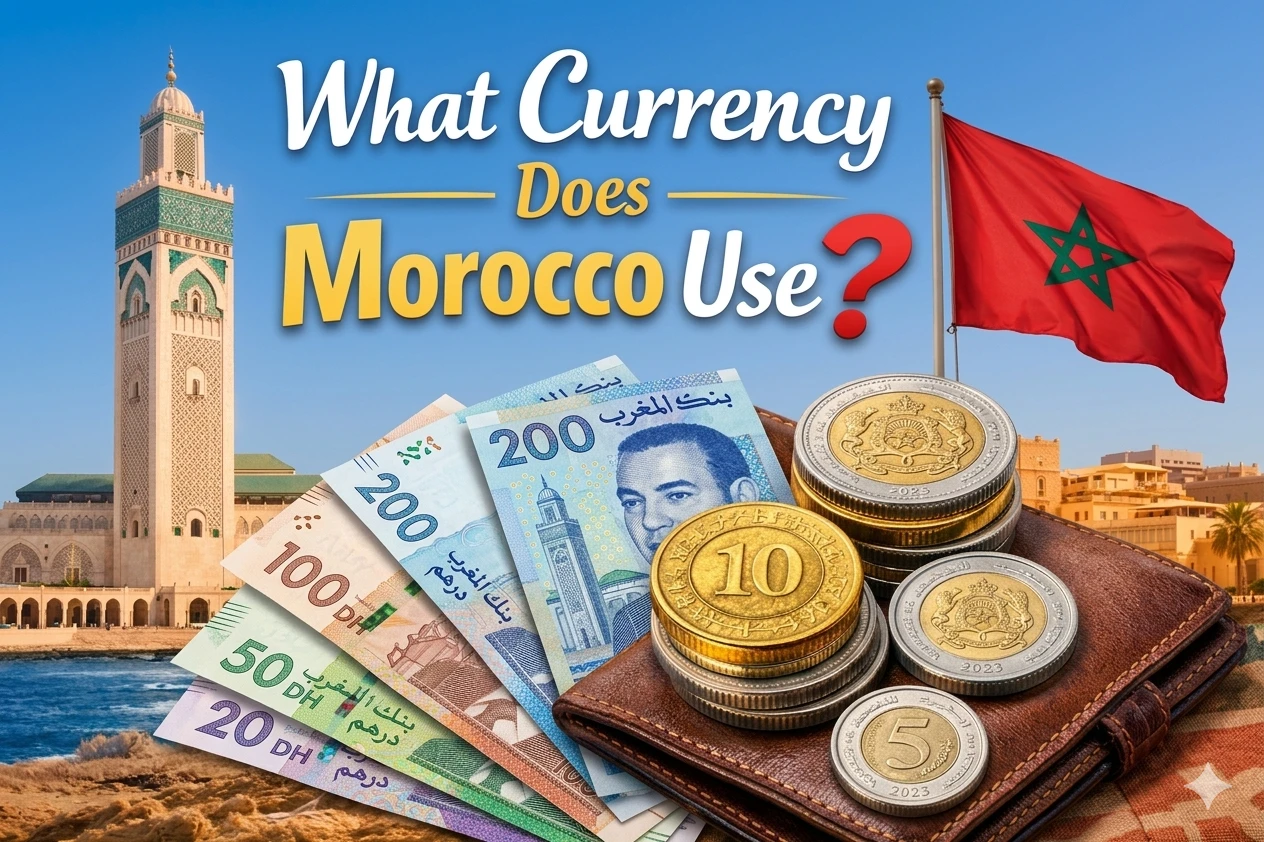
The Moroccan Dirham (MAD) is a controlled currency — it cannot be legally purchased or exchanged outside Morocco. This is one of the most important Morocco travel tips for financial planning: budget your cash needs in advance, knowing that you cannot stock up on Dirhams before you leave home. Exchange foreign currency (euros, US dollars, and British pounds are the easiest to exchange) at banks or official exchange bureaus in Morocco for the best rates. Airport exchange desks are convenient but typically offer rates 3–5% below city center bank rates.
The current exchange rate (May 2026) is approximately 10 MAD per US dollar, 11 MAD per euro, and 13 MAD per British pound — figures that make Morocco one of the finest value travel destinations in the North African and Mediterranean region.
ATMs — Where They Are and Where They Are Not
Among the most location-specific Morocco travel tips, understanding ATM availability across different destinations prevents the cash shortages that are the most common avoidable problem experienced by Morocco visitors. Major cities — Marrakech, Casablanca, Fès, Rabat, Agadir — have abundant ATMs available within and around the medinas. Smaller destinations require more careful planning.
Imsouane — one of the finest destinations on Morocco’s Atlantic coast — has no ATM within the village. Cash must be obtained in Agadir or Essaouira before arrival. This Morocco travel tip applies to many smaller Atlantic coast and mountain destinations — always withdraw sufficient cash (plus a 30–40% buffer) before heading to remote locations.
For a complete guide to budgeting across Morocco’s destinations, read our Morocco travel cost and budget guide.
Haggling — The Essential Morocco Travel Tip for Souk Shopping
Haggling in Morocco’s souks is not optional — it is the fundamental mechanism of commercial exchange in medina markets, and refusing to engage with it either results in paying significantly inflated prices or creates an awkward social dynamic with the vendor. The most useful Morocco travel tips on haggling are:
Start at 50–60% of the first asking price. Never make an offer you are not prepared to pay — the vendor will accept it. Walk away if the price does not reach your target — a significant percentage of vendors will call you back with a lower price before you reach the end of the alley. Always haggle with a smile and genuine good humor — the negotiation is a social ritual as well as a commercial transaction, and it works better when both parties enjoy it.
Never haggle for food, taxi fares (use the meter or agree a price before departure), or services in restaurants — haggling etiquette applies primarily to craft goods, souvenirs, and market produce.
Daily Budget Morocco Travel Tips
A Morocco travel tip that surprises most first-time visitors is how little Morocco costs. Budget travel: 300–400 MAD ($30–$40) per person per day covering basic guesthouse accommodation, street food and local restaurants, public transport, and free attractions. Mid-range: 600–1,000 MAD ($60–$100) per day adding quality riad accommodation, better dining, and organized excursions. Luxury: 2,000–5,000 MAD ($200–$500) per day for the finest riads, private tours, and premium experiences.
Morocco travel tips money budget Dirham ATM haggling souk practical advice 2026
Morocco Travel Tips: Getting Around
Transport Morocco travel tips cover the practical realities of moving between destinations in a country whose geography — from Mediterranean coast to Saharan desert — creates genuine transport complexity alongside genuine transport excellence.
Train — The Finest Inter-City Morocco Travel Tip
For travel between Morocco’s major imperial cities, the ONCF national rail network is the finest transport option available — comfortable, reliable, affordable, and air-conditioned. The Casablanca–Rabat–Meknès–Fès line and the Casablanca–Marrakech line cover the most important inter-city connections at speeds and comfort levels that make the train genuinely preferable to both bus and road travel.
The Al Boraq high-speed train between Casablanca and Tangier — covering 350 km in just over two hours — is the flagship of Morocco’s modern rail network and one of the finest travel experiences among all the Morocco travel tips for northern route visitors.
Book ONCF tickets online at oncf.ma or at station ticket offices — advance booking is strongly recommended for peak season travel on popular routes.
CTM Bus — The Best Morocco Travel Tip for Non-Rail Destinations
CTM is Morocco’s national long-distance bus operator and the finest public transport option for destinations not served by rail — including Agadir, Essaouira, Chefchaouen, Ouarzazate, and the southern Atlantic coast. CTM buses are air-conditioned, comfortable, and reliable — running on fixed schedules between fixed stops with a punctuality and service standard significantly above the informal bus options that also operate these routes.
Among the most specific route-based Morocco travel tips: the CTM Marrakech to Essaouira service (3 hours, approximately 100 MAD/$10) is the finest budget transport connection between Morocco’s most popular imperial city and its finest Atlantic coast destination.
Car Hire — The Essential Morocco Travel Tip for Flexibility
Among all the transport Morocco travel tips, hiring a car is the single most recommended option for any Morocco itinerary that extends beyond the imperial cities — particularly for the Atlantic coast, the Atlas Mountains, the Sahara circuit, and any route that combines multiple landscape types. Car hire gives freedom of pace that no public transport option matches, and the roads between Morocco’s greatest destinations are well-maintained and genuinely beautiful.
Economy cars start from 250–350 MAD ($25–$35) per day from local Agadir or Marrakech agencies. For mountain and desert routes, a high-clearance vehicle is recommended — not for off-road driving but for steep gradients and occasional unpaved stretches. Always check rental agreements for restrictions on piste (unpaved road) driving before signing.
For the complete self-drive planning resource, read our Morocco road trip guide.
Taxi Morocco Travel Tips
Taxis in Morocco divide into two categories with different functions and different Morocco travel tips attached to each. Petit taxis are small metered city taxis operating within individual cities — always insist on the meter or agree a fixed fare before departure. Grand taxis are larger shared inter-city vehicles that depart when full (typically 6 passengers) from fixed departure points — efficient, affordable, and the finest option for shorter inter-city connections where train and bus services are infrequent.
A specific Morocco travel tip for grand taxis: you can pay for multiple seats to depart immediately rather than waiting for the taxi to fill — a worthwhile expense when time matters and the shared taxi has only two other passengers.
Morocco Travel Tips: Accommodation
Accommodation Morocco travel tips cover the choices, booking strategies, and quality indicators that make the difference between a mediocre Morocco sleep and a genuinely memorable one.
Book Riads Directly — The Single Best Morocco Travel Tip for Accommodation
The most consistently valuable Morocco travel tip for accommodation is to book riads and guesthouses directly — by WhatsApp or email — rather than through Booking.com, Airbnb, or any other booking platform. Riads pay 15–20% commission to booking platforms on every reservation. By contacting properties directly, you give them the opportunity to share that commission saving with you — in the form of a lower nightly rate, a room upgrade, complimentary hammam session, free airport transfer, or simply the personal attention and warmth that begins before arrival when the relationship with your host is established directly.
For the finest riad accommodation guidance in Essaouira specifically, read our dedicated riad in Essaouira guide and comprehensive Essaouira hotels guide.
Negotiate Weekly Rates
Among the most financially significant Morocco travel tips for longer stays, always ask about weekly rates when booking riads or guesthouses for five nights or more. Discounts of 20–35% below the nightly rate are standard for longer stays and are almost always available to guests who ask directly — but are rarely advertised on booking platforms or property websites.
Imsouane Accommodation Tips
A specific Morocco travel tip for visitors to Imsouane: the finest accommodation in the village fills up quickly during peak surf season (October–December and July–August). Book accommodation at least 4–6 weeks in advance for these periods, and always book directly with guesthouses by WhatsApp for the best rates. For everything about staying in Imsouane, read our comprehensive Imsouane budget travel tips guide.
What to Expect from Moroccan Riads
A Morocco travel tip for first-time riad guests: riads are behind unmarked medina doors. Always save your riad’s WhatsApp number before arrival and do not hesitate to call when you are close but cannot find the door — every riad host has a practiced system for guiding arriving guests through the medina. Noise from the medina (the 5am call to prayer, early morning market activity) is part of authentic riad life — light sleepers should bring earplugs.
Morocco Travel Tips: Food and Eating
Food Morocco travel tips are among the most immediately useful in this entire guide — because the difference between eating well and eating poorly in Morocco is almost entirely a function of where you choose to eat rather than how much you spend.
Eat Where Locals Eat — The Fundamental Morocco Travel Tip for Food
The single most important Morocco travel tip for food is to eat where Moroccan locals eat rather than where tourist infrastructure directs you. The most authentic and most delicious food in any Moroccan city or village is almost always found in the restaurants and street stalls furthest from the main tourist circuit. A ten-minute walk away from Djemaa el-Fna in Marrakech reduces restaurant prices by 50–70% while dramatically improving authenticity and quality. Follow local clientele rather than TripAdvisor ratings.
The Harbor Fish Grill Morocco Travel Tip
Among the most location-specific food Morocco travel tips, visiting the harbor fish grill in Essaouira, Agadir, or Imsouane is essential — a food experience that is simultaneously the most authentic, the most affordable, and the most delicious available on Morocco’s Atlantic coast. Fresh sardines grilled over charcoal for $2–$3 at Imsouane’s harbor wall represent Morocco’s food culture at its most elemental and its most generous. For the full food and cultural context of Imsouane, read our guide to the culture and hidden gems of Imsouane Morocco.
Drink Bottled Water
A Morocco travel tip that is simple, universally applicable, and genuinely health-protecting: drink bottled water throughout Morocco, including in major cities. Tap water is technically treated but not recommended for international visitors whose digestive systems are not acclimatized to local bacterial profiles. Bottled water costs 5–8 MAD ($0.50–$0.80) per 1.5-litre bottle at local épiceries — buying from épiceries rather than tourist cafés saves 60–70% on this daily expense.
Ramadan Morocco Travel Tips
Travelling during Ramadan is one of the most culturally immersive Morocco travel experiences available — but it requires specific preparation. Many restaurants close during daylight hours. Eating, drinking, and smoking in public during daylight hours is culturally insensitive and legally restricted in some public spaces. The evening iftar (breaking of the fast) creates an atmosphere of extraordinary communal warmth and generosity. Check the Ramadan dates for 2026 before planning your Morocco trip — they shift approximately 11 days earlier each year.
Food Safety Morocco Travel Tips
Specific food safety Morocco travel tips that significantly reduce the risk of digestive illness: avoid raw salads in establishments of uncertain hygiene standards. Choose freshly cooked food over dishes that may have been sitting out. Street food at busy stalls with high turnover is generally safer than quiet restaurants with slow service. If in doubt about a dish’s freshness, the safest Morocco travel tip is the simplest — choose something grilled to order rather than pre-prepared.
Morocco travel tips food eating local restaurants harbor fish grill bottled water 2026
Morocco Travel Tips: Culture and Etiquette
Cultural Morocco travel tips are among the most important and most frequently under-prepared aspects of any Morocco visit — the country’s Islamic and Berber cultural framework creates specific expectations and specific opportunities that profoundly affect the quality of every interaction.
Dress Modestly in Medinas and Rural Areas
The most universally applicable cultural Morocco travel tip is to dress modestly when exploring medinas, visiting religious sites, and traveling through rural and mountain communities. Shoulders and knees covered for both men and women. Swimwear is appropriate only at beach and pool areas. This is not a legal requirement in most contexts but is a basic cultural respect that dramatically improves the quality of interactions with local communities and generates the warmth and openness that makes Morocco travel genuinely enriching.
Learn Basic Arabic or Berber Greetings
Among the most immediately rewarding Morocco travel tips, learning even a handful of greetings in Arabic (Darija) or Berber (Tachelhit) transforms the quality of every interaction with Moroccan people. “Salam alaikum” (Arabic: peace be upon you), “La bas” (Darija: how are you / fine), “Azul” (Tachelhit: hello), and “Tanmirt” (Tachelhit: thank you) — four phrases that take five minutes to learn and generate a warmth and reciprocal openness that no amount of subsequent spending or organized tour participation can replicate.
The Tachelhit greetings are particularly valued in the Atlantic coast Berber communities of Essaouira, Imsouane, and the surrounding Haha region — where most visitors speak only French or English and any Tachelhit effort is received as an extraordinary and deeply appreciated gesture of cultural respect.
Photography Morocco Travel Tips
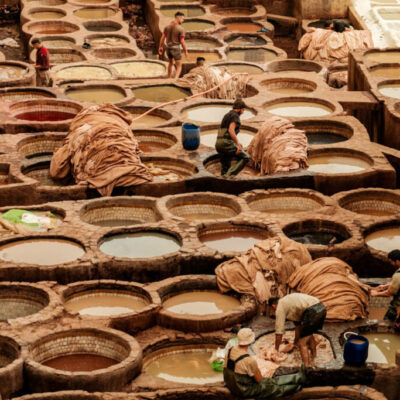
Morocco travel tips on photography are specific and important. Always ask permission before photographing people — particularly women in traditional dress, craftsmen at work, and elderly community members. A smile and a gesture toward your camera is the appropriate request. Never photograph military installations, government buildings, or border facilities. In the medinas of Fès and Marrakech, unofficial “guides” sometimes approach photographers claiming that photographing the tanneries requires their assistance and a fee — this is not true.
Mosque and Religious Site Morocco Travel Tips
Non-Muslim visitors are not permitted to enter mosques in Morocco — with the exception of the Hassan II Mosque in Casablanca, which offers organized guided tours with advance booking. The exteriors and gardens of all mosques are accessible and reward respectful observation. When visiting religious sites, remove shoes when required and dress modestly regardless of the temperature.
Handling Touts and Unofficial Guides
A Morocco travel tip that every medina visitor needs: unofficial guides and persistent touts operate throughout the medinas of Marrakech and Fès. The standard approach — “Are you looking for the tanneries? I will show you for free” — is a universal opener that typically leads to a commission-generating shop visit. A polite but firm “La shukran” (no thank you) is the most effective response. If you want a guide, hire a licensed one through your riad — the licensed guide association ensures quality and appropriate conduct.
Morocco Travel Tips: Safety and Health
Safety and health Morocco travel tips cover the practical and medical preparations that protect visitors and ensure the Morocco journey proceeds without serious disruption.
General Safety Morocco Travel Tips
Morocco is one of Africa’s safest countries for international visitors — violent crime targeting tourists is rare, and the overwhelming majority of visitors complete their Morocco journey without any security incident. The most relevant safety Morocco travel tips concern petty crime prevention in crowded medina environments:
Use a money belt or concealed wallet for your passport and primary cards. Keep your main camera in your bag rather than around your neck in crowded medina areas. Be aware of your surroundings at the Djemaa el-Fna in the evening when crowds are densest. Lock valuables in your riad room safe rather than leaving them visible.
Health Morocco Travel Tips
Practical health Morocco travel tips that significantly reduce the most common visitor health issues: drink only bottled water throughout the trip. Apply high-factor sun protection daily — the Moroccan sun is intense at all latitudes and reflected intensely off white medina walls and Atlantic sand. Carry oral rehydration sachets for the first few days while your digestive system adjusts to the local food environment. If you develop significant gastrointestinal illness (fever, severe diarrhea), seek medical attention at a private clinic in the nearest major city rather than attempting to self-treat throughout the journey.
Emergency Contacts Morocco Travel Tips
Essential Morocco travel tips for emergencies: the Moroccan national emergency number is 19 (police) and 15 (ambulance). Private clinics in major cities provide the fastest and highest quality emergency medical care — significantly faster and more reliable than public hospital emergency departments. Keep the contact details of the nearest private clinic to each Morocco destination on your itinerary saved in your phone before departure.
Register with your country’s embassy or consulate before traveling to remote areas — the UK FCDO LOCATE service and the US STEP program both provide this facility free of charge and ensure your government can contact you in a serious emergency.
External resource: Morocco Travel Safety — UK Foreign Office
Morocco Travel Tips: Packing Guide
Packing Morocco travel tips are refined from hundreds of Morocco journeys into the most useful single packing guide available for 2026 visitors across different seasons and different Morocco itinerary types.
Essential Items for All Morocco Travel
Layers for temperature variation. Morocco’s temperature variation — between medina heat at midday and mountain or Atlantic chill in the evening — is more dramatic than most European visitors expect. Pack lightweight, packable layers rather than single heavy garments. A light windproof jacket is essential for the Atlantic coast at any time of year.
Modest clothing for medina exploration. Pack at least two to three outfits appropriate for medina and rural exploration — loose-fitting trousers or long skirts and tops that cover the shoulders. These do not need to be unattractive — modest travel clothing is widely available in contemporary designs that work well in both cultural and casual contexts.
Comfortable walking shoes with grip. Morocco’s medina cobblestones are uneven, worn smooth by centuries of foot traffic, and frequently damp — comfortable shoes with good grip are essential for Marrakech, Fès, Essaouira, and every other medina destination.
Sun protection. High-factor SPF cream (30+) is essential at every Morocco destination at every time of year. The Moroccan sun is more intense than most European visitors realize — sunburn on the first day ruins multiple subsequent days of a limited-duration trip.
A small daypack with secure zips. Essential for medina exploration — keeps hands free, carries water and camera equipment, and the zipped closure reduces pickpocketing risk in crowded market areas.
Atlantic Coast and Surf Morocco Travel Tips for Packing
Specific packing Morocco travel tips for Atlantic coast visits — particularly Essaouira, Imsouane, and Taghazout: A windproof jacket is non-negotiable — the Alisé trade winds that define Essaouira and the Atlantic surf coast are present year-round and can be genuinely cold on the ramparts and beach even in summer. A wetsuit (3/2mm minimum, 4/3mm for winter) is essential for surfing between October and May. For Imsouane specifically, see our complete Imsouane budget travel tips guide for destination-specific packing advice.
Technology Morocco Travel Tips
Local SIM card. Purchase a Maroc Telecom or Inwi SIM at the airport on arrival — 30–50 MAD ($3–$5) for a SIM with data that provides reliable connectivity for navigation, translation, and guesthouse communication throughout Morocco. Far cheaper than international roaming.
Power adapter. Morocco uses European two-pin plugs (Type C and E). UK and US visitors need a universal travel adapter. Morocco’s voltage is 220V — check that your devices are compatible.
Offline maps downloaded before departure. As noted above — Google Maps offline mode and Maps.me both provide reliable navigation in Morocco including in medina areas and rural destinations with weak mobile signal.
Morocco Travel Tips: Regional Advice
Regional Morocco travel tips address the specific practical realities of Morocco’s most distinctive and most frequently visited destination types.
Marrakech-Specific Morocco Travel Tips
The most useful Marrakech Morocco travel tips beyond the general medina advice above: Book the Majorelle Garden online in advance — queues without pre-booking are significant, particularly in spring and autumn. Visit the Bahia Palace and Saadian Tombs early morning (opening at 9am) to avoid the tour groups that arrive at 10–11am. Take a calèche (horse-drawn carriage) for the first day’s orientation circuit of the medina perimeter — excellent value for the panoramic perspective it provides. For everything about Marrakech, read our Marrakech Morocco guide.
Fès-Specific Morocco Travel Tips
The most essential Fès Morocco travel tip: hire a licensed guide for at least your first morning in the medina. The difference between self-guided and guided Fès exploration is more dramatic than at any other Morocco destination — the medina’s complexity genuinely defeats independent navigation and the cultural context a quality guide provides is irreplaceable.
Essaouira-Specific Morocco Travel Tips
Essaouira Morocco travel tips focus on the wind — pack a windproof layer regardless of season, be aware that strong wind makes beach and rampart exposure genuinely cold even when the air temperature feels warm, and note that the wind drops noticeably in the sheltered medina interior even when the beach and ramparts are blustery. For the complete Essaouira guide, read our Essaouira Morocco guide and our Essaouira what to do guide.
Imsouane-Specific Morocco Travel Tips
The most important Imsouane Morocco travel tips: bring cash from Agadir or Essaouira — there is no ATM in the village. Book accommodation directly by WhatsApp for the best rates. Arrive in time for the evening sunset from Cap Imsouane headland — one of the finest free experiences in all of Morocco. For the comprehensive Imsouane destination guide covering every aspect of visiting this extraordinary Atlantic bay village, read our Imsouane bay guide, our best time to visit Imsouane guide, and our reasons to visit Imsouane guide.
Sahara and Desert Morocco Travel Tips
Essential Sahara Morocco travel tips: camel treks and desert camp overnights should be booked in advance — the finest luxury camps at Erg Chebbi fill weeks ahead during peak season (October–December and March–May). Bring a warm layer for desert nights regardless of season — temperatures drop dramatically after sunset even when daytime heat has been intense. Pack a headtorch for navigating the camp after dark.
Atlas Mountain Morocco Travel Tips
Key Atlas Mountain Morocco travel tips: check mountain pass conditions before departure between November and March — the Tizi n’Tichka pass can be temporarily closed by snowfall. Imlil (the Toubkal trekking base) requires a higher-clearance vehicle or a mule for the final section in wet conditions. Acclimatize appropriately before attempting the Toubkal summit — arrive in Imlil at least one day before beginning the climb.
For the complete seasonal guide covering all Morocco regions including the Atlas, Sahara, and Atlantic coast, read our best time to visit Morocco guide.
Morocco travel tips regional advice Marrakech Fes Essaouira Imsouane Sahara Atlas 2026
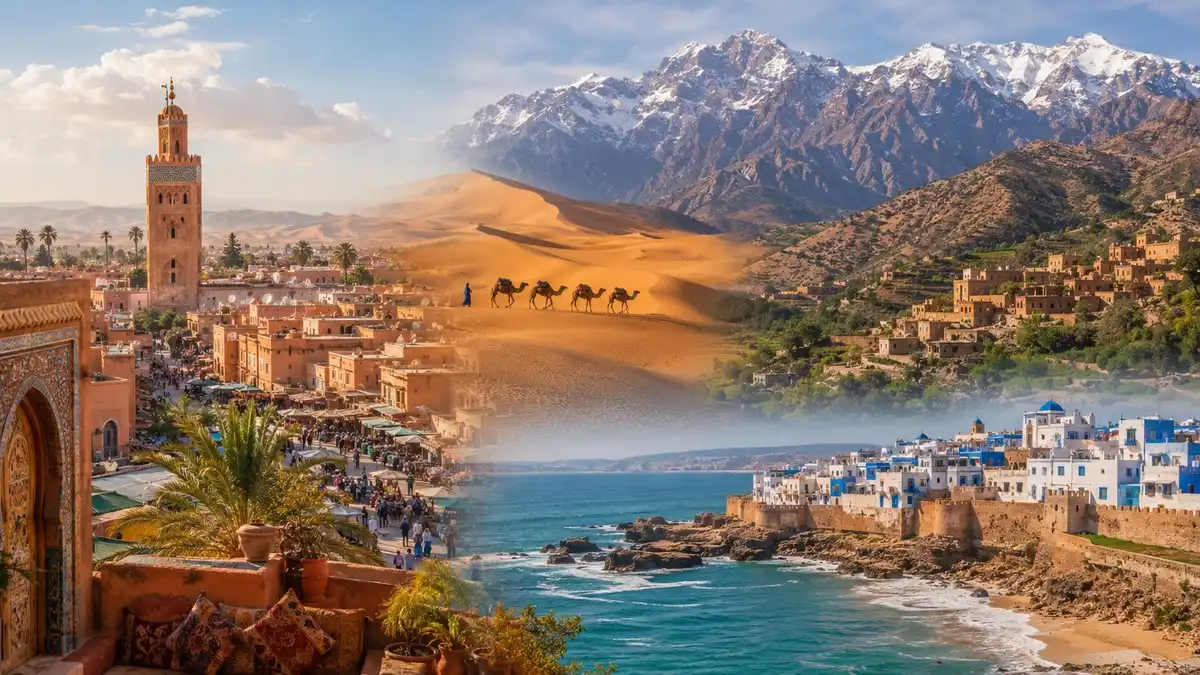
Morocco Travel Tips That Last a Lifetime
Morocco travel tips safety health emergency contacts practical advice 2026
The Morocco travel tips in this guide are distilled from extensive experience across the full range of Morocco’s extraordinary destinations — from the overwhelming medina labyrinth of Fès to the Atlantic surf breaks of Imsouane, from the golden dunes of Erg Chebbi to the cannon-lined ramparts of Essaouira. They are designed not to make Morocco safer or easier in the sense of reducing its challenge, but to remove the avoidable friction that prevents the genuine Morocco — the authentic, generous, culturally extraordinary Morocco that rewards prepared and respectful visitors — from being fully experienced.
Apply these Morocco travel tips and you will spend less, experience more, eat better, navigate more confidently, connect more authentically, and return home with the specific quality of Morocco travel memory that makes this country one of the world’s most persistently recommended travel destinations among everyone who has visited it well.
Morocco is not a country that rewards passive observation. It rewards engagement, curiosity, respect, and the genuine willingness to learn from a culture of extraordinary depth and extraordinary warmth. These Morocco travel tips are the foundation for that engagement. The rest is up to you — and Morocco will take care of everything else.
Have questions about Morocco travel tips or planning your Morocco journey? Leave a comment below or explore our full collection of guides — including our Morocco tourism guide, Morocco country guide, Morocco road trip guide, Morocco travel requirements, Morocco travel cost guide, best time to visit Morocco, Marrakech Morocco guide, must-visit cities in Morocco, cities in Morocco guide, Essaouira Morocco guide, Essaouira what to do guide, Essaouira hotels guide, riad in Essaouira, Imsouane bay guide, Imsouane budget travel tips, Morocco things to do, luxury Morocco holidays, luxury Morocco tours, and our complete Morocco road trip guide — for everything you need to travel Morocco like an expert in 2026.
Comments