 By
By
Morocco travel restrictions complete update guide 2026 passport border visa entry rules
Table of Contents
- Morocco Travel Restrictions: Current Status 2026
- Morocco Travel Restrictions: Passport Rules
- Morocco Travel Restrictions: Visa Entry Restrictions
- Morocco Travel Restrictions: Health and Vaccination Restrictions
- Morocco Travel Restrictions: Border and Entry Point Restrictions
- Morocco Travel Restrictions: Customs and Import Restrictions
- Morocco Travel Restrictions: Regional and Movement Restrictions
- Morocco Travel Restrictions: Currency and Financial Restrictions
- Morocco Travel Restrictions: Photography and Drone Restrictions
- Morocco Travel Restrictions: What to Do if Rules Change
Introduction
Morocco travel restrictions in 2026 are among the most minimal and most visitor-friendly in the entire African and Mediterranean region — a fact that continues to surprise many prospective visitors who arrive at their research expecting a complex web of entry conditions, health documentation requirements, and bureaucratic hurdles. The reality of Morocco travel restrictions in 2026 is almost entirely the opposite of this expectation. The kingdom operates one of the most open and welcoming international entry frameworks in Africa, and the 2026 Morocco travel restrictions update confirms that this has not changed — if anything, the kingdom’s preparations for co-hosting the 2030 FIFA World Cup alongside Spain and Portugal have further streamlined border processing, expanded international airport capacity, and reinforced the welcoming entry posture that has underpinned Morocco’s sustained tourism growth for years.
Understanding Morocco travel restrictions accurately before departure is not about navigating a difficult or punishing regulatory environment — it is about ensuring that the small number of specific rules that do genuinely apply are known, respected, and complied with before any visitor reaches the border. Because while Morocco travel restrictions are few in number and entirely reasonable in character, the consequences of failing to meet them at the point of entry are immediate and non-negotiable. A passport that falls short of the six-month validity Morocco travel restriction will be refused entry regardless of the visitor’s nationality, regardless of their planned stay duration, and regardless of any other documentation they carry. A drone brought into the country without advance authorization will be confiscated at customs regardless of how legitimate the visitor’s photographic intentions.
Morocco travel restrictions in 2026 are shaped by several important factors that every visitor benefits from understanding. The kingdom’s COVID-19 pandemic entry restrictions have been fully and permanently dismantled — no vaccination requirements, no test requirements, no health declaration forms apply to any visitor from any country. The Algeria land border Morocco travel restriction — a closure in place since 1994 — remains in force with no indication of change. Currency export Morocco travel restrictions continue to apply to the non-convertible Moroccan Dirham. Photography Morocco travel restrictions around military and royal installations remain legally enforced.
This guide covers every Morocco travel restriction in force in 2026 — from the most fundamental passport and visa rules to the most specific regional, customs, and photography restrictions — with the practical clarity that ensures every visitor arrives at the border fully informed, fully compliant, and fully confident.
For the complete Morocco pre-departure preparation resource that complements this Morocco travel restrictions guide, read our Morocco travel requirements guide and our visit Morocco guide — together they provide the most thorough entry preparation available for any Morocco visitor in 2026.
Morocco Travel Restrictions: Current Status 2026
The Morocco travel restrictions current status for 2026 can be stated clearly and reassuringly for the overwhelming majority of international visitors: Morocco is fully open, all ports of entry are processing arrivals normally, and no exceptional or temporary Morocco travel restrictions — health-related or otherwise — are in place.
No COVID-19 Morocco Travel Restrictions
Morocco was among the first African nations to fully remove its pandemic-era Morocco travel restrictions, and none have been reinstated. The Morocco travel restrictions currently in force are the standard pre-pandemic entry framework — the same rules that governed international arrivals in Morocco for decades before 2020 and that have been consistently applied since their restoration. No vaccination certificate, no negative test result, no passenger locator form, and no health declaration of any kind is required from visitors arriving from any country.
Normal Operations Across All Entry Points
All of Morocco’s international airports, ferry terminals, and operational land border crossings are processing arrivals under standard Morocco travel restrictions — the routine passport inspection, arrival card completion, and customs declaration that have always governed entry into the kingdom. There are no exceptional queuing systems, no additional documentation checkpoints, and no processing delays beyond those inherent to standard border operations.
Who These Morocco Travel Restrictions Apply To
The Morocco travel restrictions in this guide apply to all international visitors regardless of nationality — with the specific content of those restrictions (particularly visa requirements) varying by the visitor’s country of origin. For the complete picture of which Morocco travel restrictions apply to visitors from which countries, read alongside our Morocco travel requirements guide.
For visitors considering extended stays beyond the standard tourist Morocco travel restrictions framework — including those exploring property investment on Morocco’s Atlantic coast — our guides to buying land in Imsouane and buying property in Marrakech cover the legal and residency framework relevant to long-term presence in the country.
Morocco Travel Restrictions: Passport Rules
Passport rules are the most fundamental Morocco travel restrictions — and the area where non-compliance produces the most immediate and most consequential outcome at the border.
The Six-Month Validity Morocco Travel Restriction
The single most important Morocco travel restriction for any international visitor is passport validity. Morocco requires every visitor’s passport to be valid for a minimum of six months beyond the intended date of entry. This Morocco travel restriction is enforced at every port of entry — air, sea, and land — without exception, without flexibility, and without alternative documentation that can substitute for a valid passport.
A visitor entering Morocco on June 1, 2026 must hold a passport valid until at least December 1, 2026. A visitor entering on October 15, 2026 must hold a passport valid until at least April 15, 2027. The calculation is straightforward — the enforcement is absolute. Check every passport before booking any travel, not after.
Children and the Passport Morocco Travel Restriction
The six-month validity Morocco travel restriction applies identically to children of all ages. Children must hold their own individual passports — inclusion on a parent’s passport document is not accepted under current Morocco travel restrictions. Every family member requires a separately valid passport with six months of remaining validity beyond the entry date. Verify every family member’s document before making any booking.
Passport Condition Morocco Travel Restrictions
Morocco travel restrictions on passport condition, while less commonly invoked, are real and enforced: passports must be physically intact and fully legible. Severely damaged, water-damaged, or defaced passports may be refused entry at Moroccan borders regardless of their remaining validity. Any visitor whose passport has experienced significant physical damage should apply for a replacement before travelling to Morocco.
Morocco travel restrictions passport rules six month validity children entry 2026
Morocco Travel Restrictions: Visa Entry Restrictions
Visa restrictions are the second most fundamental tier of Morocco travel restrictions — and the area where the kingdom’s genuinely open approach to international tourism is most clearly expressed.
Visa-Free Morocco Travel Restrictions — Qualifying Nationalities
The following nationalities are subject to no visa Morocco travel restrictions for stays of up to 90 days — a valid passport alone is sufficient for entry:
All European Union member state nationals. United Kingdom nationals — visa-free access has been maintained post-Brexit under current Morocco travel restrictions. United States and Canadian citizens. Australian and New Zealand citizens. Japanese and South Korean citizens. Brazilian and Argentine citizens. Swiss, Norwegian, and Icelandic citizens. Gulf Cooperation Council nationals. Most Latin American and Southeast Asian nationalities.
These visa-free Morocco travel restrictions cover the overwhelming majority of Morocco’s international tourism market. For most visitors reading this guide, the visa element of Morocco travel restrictions represents no barrier to entry whatsoever.
Visa Morocco Travel Restrictions — Nationalities That Must Apply
Citizens of countries not covered by Morocco’s visa-free framework face a direct Morocco travel restriction: they must obtain a visa before departure from a Moroccan embassy or consulate in their country of residence. The visa application process requires a valid passport, completed application form, passport photographs, confirmed accommodation bookings, return flight confirmation, bank statements, and travel insurance documentation. Always verify the current visa Morocco travel restriction for your specific nationality directly with the Moroccan consulate — requirements can change and third-party sources are not always current.
The 90-Day Stay Morocco Travel Restriction
The 90-day maximum length of stay Morocco travel restriction applies to all visa-free nationalities. This period begins on the date of entry as recorded in the passport stamp and cannot be extended for tourism purposes without a formal application to Moroccan immigration authorities. Overstaying this Morocco travel restriction is treated seriously — fines, complications at departure, and difficulties with future entry applications are the documented consequences. Track entry dates throughout any Morocco journey and plan departure accordingly.
Morocco Travel Restrictions: Health and Vaccination Restrictions
Health and vaccination restrictions form an important category of Morocco travel restrictions — particularly because this is the area most subject to rapid change in response to global health developments.
Current Health Morocco Travel Restrictions — 2026
As of 2026, Morocco applies no health-specific Morocco travel restrictions to visitors from any country. There are no vaccination requirements, no test result requirements of any kind, and no health documentation of any description required for entry. Morocco was among the first African nations to permanently remove its COVID-19 Morocco travel restrictions, and as of 2026 no pandemic-era requirements have been reinstated.
Yellow Fever — The One Active Health Morocco Travel Restriction
One specific health Morocco travel restriction remains active in 2026: visitors arriving in Morocco directly from countries where yellow fever transmission is an active risk may be required to present a valid yellow fever vaccination certificate at the border. This Morocco travel restriction does not affect visitors arriving directly from Europe, North America, Australia, or most other major tourism origin countries. It applies specifically to travellers whose immediate prior country of visit is on Morocco’s yellow fever risk country list — verify the current status of this Morocco travel restriction with the Moroccan consulate if your itinerary includes travel from potentially affected regions immediately before Morocco entry.
Recommended Health Preparations — Not Morocco Travel Restrictions
While no vaccinations constitute mandatory Morocco travel restrictions for 2026, several are recommended by international health authorities as responsible pre-travel preparation: Hepatitis A (the most universally recommended, transmitted through food and water), Hepatitis B (for visitors with potential medical or exposure risk), Typhoid (for visitors eating at local restaurants and street food environments), and current routine vaccinations including MMR and tetanus. These are health recommendations — not Morocco travel restrictions — but they are preparations that experienced Morocco travellers consistently endorse.
Future Health Morocco Travel Restrictions
International health conditions can change rapidly and Morocco travel restrictions can be updated at short notice. Always verify the current health Morocco travel restrictions at your government’s official travel advice website immediately before departure — days before travel rather than weeks in advance.
Morocco Travel Restrictions: Border and Entry Point Restrictions
Border and entry point Morocco travel restrictions determine not only what documentation is required but which crossings are operational and which face specific constraints that affect certain travel itineraries significantly.
Air Entry Morocco Travel Restrictions — All Airports Open
Morocco’s international airports are all operating under standard Morocco travel restrictions — routine passport inspection, arrival card, and customs declaration with no exceptional requirements. Morocco’s principal international airports include Casablanca Mohammed V (the largest and most globally connected), Marrakech Menara (the primary European budget airline hub), Agadir Al Massira (primary entry point for Atlantic coast and surf itineraries), Fès-Saïss, Tangier Ibn Battouta, and Essaouira Mogador. All process arrivals under identical Morocco travel restrictions.
Ferry Entry Morocco Travel Restrictions
Ferry services between Spain and Morocco — Algeciras to Tangier Med, and Tarifa to Tangier — are fully operational. The same Morocco travel restrictions apply at ferry arrival ports as at airports — six-month passport validity, visa requirements where applicable, standard customs declaration. The Ceuta and Melilla land border crossings from Spanish sovereign territory into Morocco are subject to standard Morocco travel restrictions but experience significant queuing during peak periods. Allow considerably extra time for summer weekends and Spanish school holiday crossings.
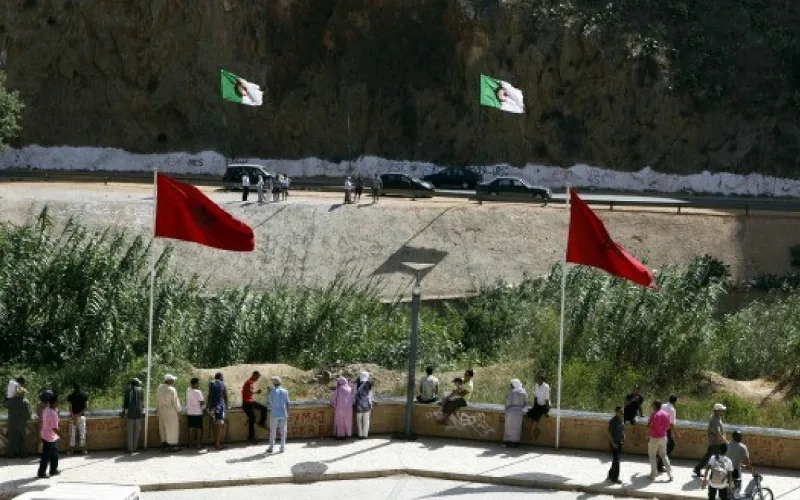
Algeria Border — Closed Morocco Travel Restriction
The most significant border Morocco travel restriction for overland travellers: the Algeria-Morocco land border has been closed since 1994 and remains closed in 2026. There is no legal road crossing between Morocco and Algeria. This Morocco travel restriction is absolute and shows no signs of changing — visitors planning itineraries that include both countries must arrange separate air travel between them. For road trip planning across Morocco’s internally accessible routes, read our Morocco road trip guide.
Mauritania Border Morocco Travel Restrictions
The Morocco-Mauritania border at Guerguerat in the Western Sahara is operational but subject to security-related Morocco travel restrictions that vary with regional conditions. Check current UK Foreign Office or US State Department travel advice for the Western Sahara and Mauritania before planning any crossing at this point — this Morocco travel restriction situation requires current intelligence rather than general guidance.
Morocco travel restrictions border entry points airports ferry Algeria closed 2026
Morocco Travel Restrictions: Customs and Import Restrictions
Customs Morocco travel restrictions govern what visitors may legally bring into and take out of the kingdom — and several of these restrictions catch underprepared visitors in ways that have real and immediate consequences.
Currency Import Morocco Travel Restrictions
Morocco operates currency controls that constitute some of the most practically significant Morocco travel restrictions for any visitor. Foreign currency imports above the equivalent of 100,000 MAD (approximately $10,000 USD) must be declared on the arrival customs form. Amounts below this threshold require no declaration. This Morocco travel restriction is consistently applied at all ports of entry and is straightforward to comply with for the vast majority of visitors.
Alcohol Import Morocco Travel Restrictions
Non-Muslim visitors may import alcohol subject to the following Morocco travel restrictions on quantity: one litre of spirits and one litre of wine per person over 18, without duty liability. Quantities exceeding these limits are subject to Moroccan customs duties. These alcohol Morocco travel restrictions are among the most commonly encountered by European visitors managing their luggage allowances and are easily navigated with appropriate quantity awareness before packing.
Drone Morocco Travel Restrictions
Drone import and operation Morocco travel restrictions are among the most actively enforced and most frequently violated in Morocco’s entire customs framework. Bringing a drone into Morocco requires advance authorization from the Moroccan Civil Aviation Authority (ANAC) — an authorization that must be obtained before arrival, not at the airport. Visitors arriving at Moroccan airports with unauthorized drones face confiscation by customs authorities, frequently permanent. This Morocco travel restriction applies to all drone categories regardless of size, weight, or intended use. Apply for ANAC authorization well in advance through the Moroccan embassy if a drone is any part of your Morocco itinerary.
Medication Morocco Travel Restrictions
Prescription medication is subject to Morocco travel restrictions that vary by substance classification. All prescription medication must be carried in its original packaging with the prescription or a doctor’s letter attached. Certain medications — including some controlled substances, strong opioids, and psychotropic drugs — that are legal and freely prescribed in some countries face specific Morocco travel restrictions on import. Research the Moroccan legal classification of any prescription medication before departure and carry complete documentation for every item.
Prohibited Items Morocco Travel Restrictions
Absolute Morocco travel restrictions prohibit the import of narcotics and illegal drugs (with severe criminal penalties under Moroccan law), unauthorized weapons and ammunition, and items considered culturally or legally offensive under Moroccan law. These Morocco travel restrictions admit no exceptions — complete compliance is the only appropriate approach.
Morocco Travel Restrictions: Regional and Movement Restrictions
Beyond the national Morocco travel restrictions that apply to all visitors at the border, specific regional Morocco travel restrictions apply to certain areas of the kingdom where security conditions, border proximity, or sensitive infrastructure create additional constraints on visitor movement.
Eastern Border Morocco Travel Restrictions — Algeria Proximity
In addition to the closed Algeria land border Morocco travel restriction, areas of eastern Morocco close to the Algerian border are subject to elevated security-related Morocco travel restrictions. The UK Foreign Office and US State Department both advise against travel within 30 km of the Algeria-Morocco border. Visitors planning itineraries in the Figuig area or other eastern border regions should check current government travel advisories for the most up-to-date Morocco travel restrictions guidance for these areas before proceeding.
Western Sahara Morocco Travel Restrictions
The Western Sahara — the territory south of Morocco proper that Morocco administers — is accessible to most international visitors under standard Morocco travel restrictions. However, areas close to the Mauritanian border carry elevated risk that is reflected in UK and US government travel advice. Review your government’s specific Western Sahara travel advisory before including border-adjacent areas in any Morocco itinerary. The travel advisory context does not constitute a blanket Morocco travel restriction on Western Sahara — most of the territory, including Dakhla, is visited regularly by international tourists under standard Morocco travel restrictions.
Security Zone Morocco Travel Restrictions
Military installations, royal palaces, government buildings, border infrastructure, and police facilities are all subject to Morocco travel restrictions on proximity and photography. Signage indicating restricted zones must be respected — these Morocco travel restrictions are enforced by Moroccan security forces and non-compliance has legal consequences that range from immediate detention to criminal proceedings.
Atlantic Coast — No Regional Morocco Travel Restrictions
The entire Atlantic coast of Morocco — from Tangier south through Rabat, Casablanca, Essaouira, Imsouane, Agadir, and toward Dakhla — is subject to no regional Morocco travel restrictions beyond the standard national entry framework. This entire coastal corridor is safe, accessible, and operating normally for international visitors. For destination guidance across Morocco’s Atlantic coast, read our Imsouane bay guide and our Essaouira Morocco guide.
Morocco Travel Restrictions: Currency and Financial Restrictions
Currency Morocco travel restrictions are among the most practically significant of the entire Morocco travel restrictions framework — affecting how money moves into, within, and out of the kingdom, with real consequences at departure for visitors who have not understood the rules.
The Dirham Non-Convertibility Morocco Travel Restriction
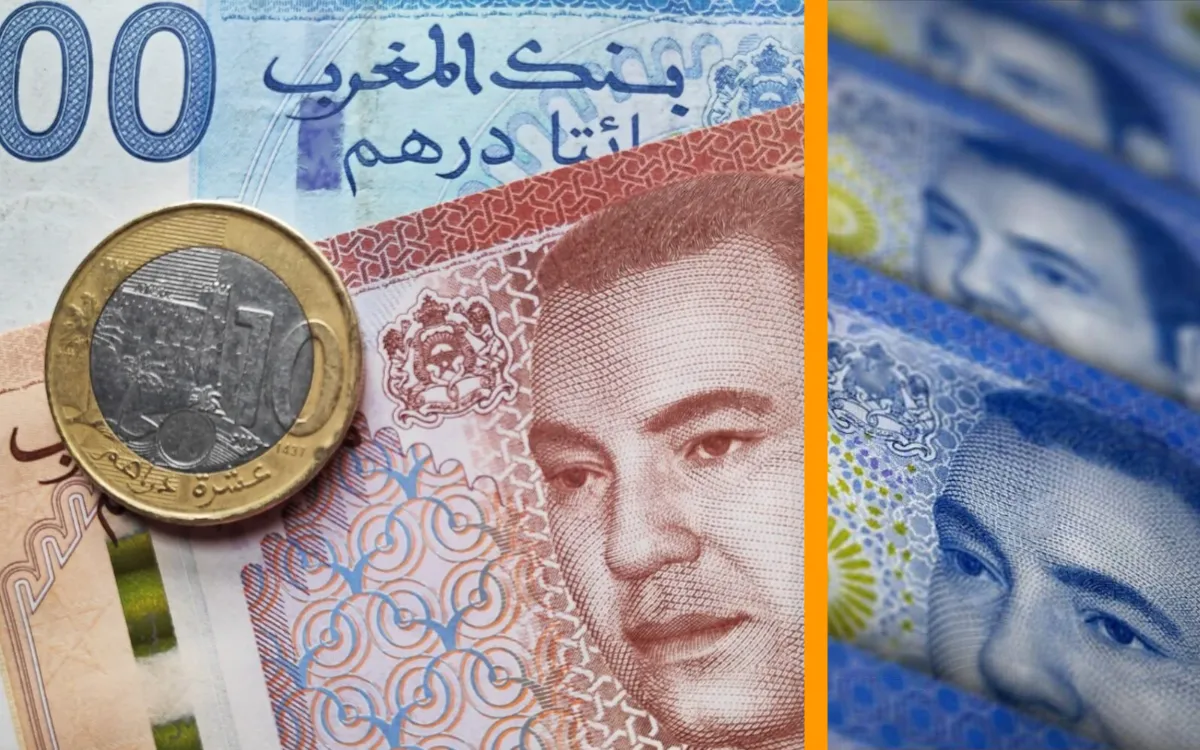
The foundational currency Morocco travel restriction: the Moroccan Dirham is a non-convertible currency. It cannot be legally purchased outside Morocco and cannot legally be exported from Morocco in significant quantities. All currency exchange must take place inside the country, and all unspent Dirhams must be reconverted to foreign currency before departure.
The practical implication of this Morocco travel restriction that most visitors underestimate: retain every exchange receipt throughout the entire journey. Moroccan banks and bureaux de change require these receipts to process Dirham reconversion at departure. Visitors who discard exchange receipts throughout their journey regularly encounter difficulty reconverting unspent Dirhams before departure — a completely preventable problem with one consistent habit from day one of any Morocco visit.
ATM Access and Morocco Travel Restrictions
ATMs are widely available in Morocco’s major cities and present no specific Morocco travel restriction complications for standard card withdrawals — daily limits of 2,000–4,000 MAD per transaction apply. The Morocco travel restriction caveat for Atlantic coast visitors: certain destinations — including Imsouane — have no ATM within the village itself. Cash must be withdrawn before arrival at smaller coastal destinations. For complete financial preparation for Imsouane and the Atlantic coast, read our Imsouane budget travel tips guide.
Card Acceptance and Cash Morocco Travel Restrictions
Cards are accepted at major hotels, larger restaurants, and tourist-facing retailers in Morocco’s principal cities. However, cash remains a practical Morocco travel restriction reality — medina souks, street food vendors, local transport, smaller guesthouses, and virtually all transactions in rural areas and smaller villages require cash. Budget and plan accordingly, ensuring sufficient Dirham cash is available for every portion of any Morocco itinerary that sits outside major urban centres. For complete Morocco financial planning, read our Morocco travel cost and budget guide.
Morocco travel restrictions currency Dirham financial restrictions ATM exchange receipts 2026
Morocco Travel Restrictions: Photography and Drone Restrictions
Photography and drone Morocco travel restrictions are among the most specific in the kingdom’s entire regulatory framework — and among the most frequently and most consequentially violated by uninformed visitors.
Absolute Photography Morocco Travel Restrictions
The following are subject to absolute Morocco travel restrictions on photography — photographing them is illegal under Moroccan law, enforced by security forces, and treated with zero tolerance at every relevant location:
Military installations, bases, equipment, and personnel in operational contexts. Royal palaces and their immediate surrounding areas. Government ministry buildings and parliamentary facilities. Police stations, gendarmerie posts, and all security infrastructure. Border crossing facilities and border control operations. Airport security areas and immigration processing zones.
These photography Morocco travel restrictions exist for legitimate and non-negotiable national security reasons. Violations result in immediate detention, permanent confiscation of all photographic equipment involved, and potential criminal proceedings under Moroccan law. There are no warnings, no second chances, and no mitigating circumstances for first-time violations at these sites.
People Photography Morocco Travel Restrictions
Photography of Moroccan people is governed not by formal legal Morocco travel restrictions in most contexts but by cultural and ethical expectations that every responsible visitor should treat with identical seriousness. Always ask permission before photographing any individual. A smile, eye contact, and a gesture toward the camera constitutes the appropriate consent request. Never photograph anyone — particularly women in traditional dress, children, and individuals in religious contexts — who indicates any reluctance or discomfort.
The medinas of Marrakech and Fès attract unofficial individuals who claim that photographing certain sites requires their facilitation or payment. This is not a genuine Morocco travel restriction — it is a commercial approach that can be politely but firmly declined without consequence.
Drone Morocco Travel Restrictions — Complete Summary
Drone Morocco travel restrictions are the most actively enforced in Morocco’s customs and security framework. Importing a drone into Morocco without advance ANAC (Moroccan Civil Aviation Authority) authorization is a violation of Morocco travel restrictions that results in confiscation at the airport — frequently permanent. Flying a drone at any location in Morocco without authorization is a criminal offence under Moroccan aviation law. This Morocco travel restriction is not selectively enforced — it applies at tourist locations, beaches, medinas, and rural landscapes alike. Obtain ANAC authorization through the Moroccan embassy before any Morocco visit that includes drone equipment.
Morocco Travel Restrictions: What to Do if Rules Change
The final section of any Morocco travel restrictions guide must address the reality that travel restrictions — in Morocco as anywhere in the world — can change at short notice in response to health developments, security incidents, diplomatic shifts, or regulatory updates that occur after any guide’s publication date.
Monitor Official Morocco Travel Restrictions Sources
The most important piece of advice in this Morocco travel restrictions guide: do not rely solely on any single guide — including this one — as your final source of Morocco travel restrictions information before departure. Always verify current Morocco travel restrictions at your government’s official travel advice website in the days immediately before travel, not weeks before. The UK Foreign Office Morocco Travel Advice page, the US State Department Morocco Travel Advisory, and the equivalent resources from other national governments are updated in real time as Morocco travel restrictions change and represent the most reliable and most current Morocco travel restrictions information available to any visitor.
External resource: UK Foreign Office Morocco Travel Advice External resource: US State Department Morocco Travel Advisory External resource: Official Morocco Tourism — Entry Information
If Morocco Travel Restrictions Change After Booking
If Morocco travel restrictions change significantly after travel has been booked — a health emergency, a security incident, or a diplomatic development that alters the entry framework — the practical steps are: check your travel insurance policy for trip cancellation coverage in response to changed Morocco travel restrictions, contact your airline and accommodation providers immediately for rescheduling options, and monitor your government’s Morocco travel advisory for updated guidance on whether travel is still recommended. The travel to Morocco advice Imsouane and broader Atlantic coast visitors receive is the same as for all Morocco travellers: comprehensive travel insurance purchased at the time of booking is the most effective single protection against Morocco travel restrictions changing after the booking is made. For complete travel insurance guidance, read our Morocco travel requirements guide.
Morocco Travel Restrictions Pre-Departure Final Checklist
Before any Morocco journey, verify the following Morocco travel restrictions compliance points in the days immediately before departure: passport validity of six months or more beyond entry date for every traveller. Visa status confirmed for your nationality. No health documentation required (verify no new requirements have been introduced). Drone authorization obtained if relevant. Sufficient Dirham cash for destinations without ATM access. Exchange receipt management plan in place for currency reconversion at departure.
For complete Morocco destination planning and travel preparation across the Atlantic coast and beyond, read our Morocco travel guide, Morocco travel tips guide, Morocco tourism guide, Morocco tours guide, Morocco things to do guide, best time to visit Morocco guide, Marrakech Morocco guide, luxury Morocco holidays guide, luxury Morocco tours guide, cities in Morocco guide, and our must-visit cities in Morocco guide.
Morocco travel restrictions checklist update monitoring planning compliance 2026
Morocco Travel Restrictions Are Few — Respect Them and They Disappear
The Morocco travel restrictions update for 2026 delivers the same fundamentally reassuring message it has delivered consistently for years: the kingdom is open, accessible, and operating under an entry framework that places genuinely minimal barriers between international visitors and one of the world’s most extraordinary travel destinations.
The Morocco travel restrictions that do exist — the six-month passport validity rule, the 90-day stay limit, the drone authorization requirement, the Dirham currency reconversion rules, the customs thresholds on alcohol and currency declaration, the photography prohibitions around sensitive sites, the closed Algeria land border, the advisory-level regional Morocco travel restrictions in eastern border areas — are entirely reasonable, consistently enforced, and entirely invisible to any visitor who has understood and respected them before arriving at the border.
The Morocco travel restrictions this guide cannot address are those that may arise after its publication in May 2026 — health developments, security changes, diplomatic shifts, or regulatory updates that alter the entry framework. The final Morocco travel restrictions advice this guide offers is the most important: always verify current Morocco travel restrictions at your government’s official travel advice website immediately before departure — not weeks before, but days before.
Morocco travel restrictions in 2026 are not the story. The story is the kingdom behind them — its UNESCO-listed imperial medinas, its extraordinary Atlantic surf coast from Essaouira through Imsouane to Agadir, its vast Saharan dunes near Merzouga, its Berber mountain villages above the High Atlas snowline, its world-renowned cuisine, its argan forests, and the extraordinary warmth of a community of 38 million people who have been welcoming visitors to their remarkable kingdom for centuries — with a generosity and authenticity that no Morocco travel restriction has ever diminished and no World Cup preparation will ever change.
Have questions about Morocco travel restrictions or planning your Morocco journey? Explore our full collection of guides — including our Morocco travel requirements guide, visit Morocco guide, Morocco travel guide, Morocco travel tips guide, Morocco tourism guide, Morocco country guide, best time to visit Morocco, Morocco travel cost guide, Morocco road trip guide, Morocco tours guide, Marrakech Morocco guide, Essaouira Morocco guide, Imsouane bay guide, Imsouane budget travel tips, Morocco things to do guide, luxury Morocco holidays, luxury Morocco tours, cities in Morocco guide, and our complete must-visit cities in Morocco guide — for everything you need to travel Morocco confidently and compliantly in 2026.

Comments