 By
By
visit Morocco complete travel guide 2026 destinations medina Atlantic coast Sahara
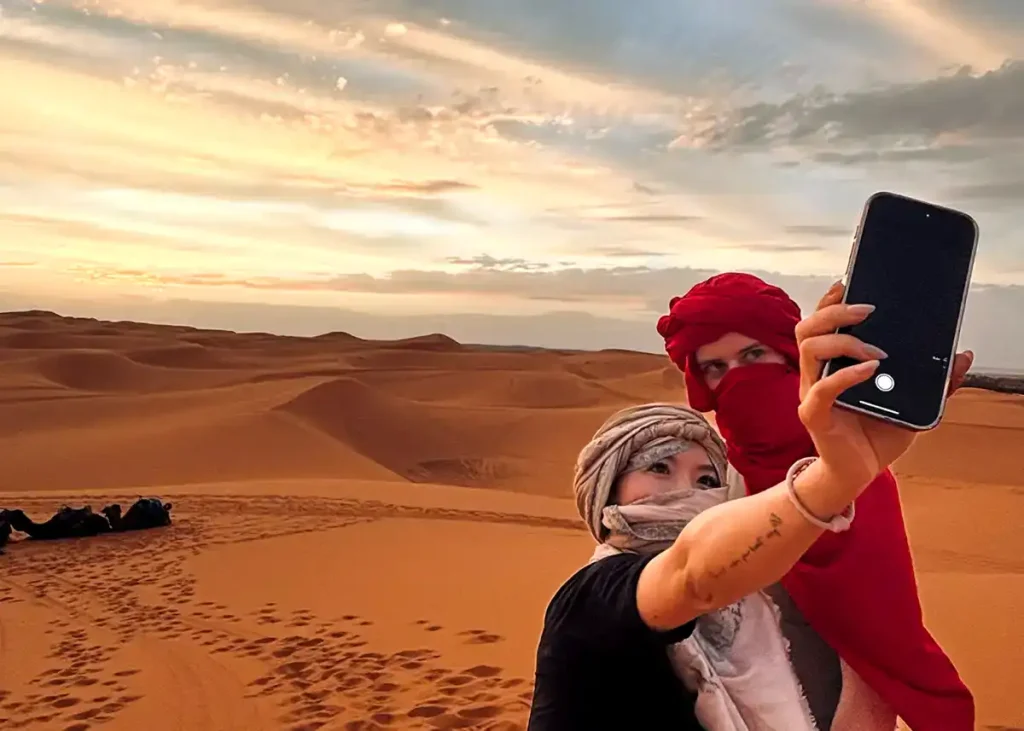
Table of Contents
- Visit Morocco: Why 2026 Is the Best Year to Go
- Visit Morocco: Top Destinations to Explore
- Visit Morocco: Best Time to Go
- Visit Morocco: Entry Requirements and Visa Rules
- Visit Morocco: Getting Around the Kingdom
- Visit Morocco: Where to Stay
- Visit Morocco: Food, Culture, and Local Etiquette
- Visit Morocco: Budget and Cost Planning
- Visit Morocco: Safety and Travel Tips
- Visit Morocco: How to Plan the Perfect Trip
Introduction
To visit Morocco in 2026 is to experience one of the world’s most extraordinary and most rewarding travel destinations at a moment of genuine transformation — a kingdom that has always been remarkable is now investing in itself on a scale that is making its infrastructure, its hospitality, and its international connectivity better than at any point in its modern history. Those who visit Morocco this year will find a country that is simultaneously ancient and forward-looking, deeply traditional and warmly open to the international visitors who arrive from every corner of the world to discover what makes this kingdom so consistently, so profoundly unforgettable.
To visit Morocco is to encounter a country that defies simple description. It is the imperial grandeur of Fès and Marrakech — the ancient medinas, the ornate madrasas, the labyrinthine souks alive with colour, scent, and sound. It is the long Atlantic coastline from Tangier south through Rabat, Casablanca, Essaouira, Imsouane, and Agadir toward Dakhla — a coastline of sweeping beaches, world-class surf breaks, and fishing villages that have barely changed in centuries. It is the High Atlas mountain range crossing the country’s spine — Berber villages perched above river valleys, mule tracks connecting communities that have no road access, and the Tizi n’Tichka pass connecting Marrakech to the pre-Saharan south. It is the Sahara — those unmistakable orange dunes rising near Merzouga and Zagora that remain one of the most immediately iconic landscapes on earth.
To visit Morocco in 2026 is also to arrive in a country preparing for a moment of global attention: the 2030 FIFA World Cup, co-hosted with Spain and Portugal, is driving investment in airports, roads, stadiums, accommodation, and tourism infrastructure that is making the entire country more accessible, more comfortable, and more internationally connected than ever. Visitors who choose to visit Morocco now will experience a destination in its prime — before the World Cup crowds arrive and while the investment in quality is still visible at every level of the tourism experience.
This guide provides everything needed to visit Morocco in 2026 with confidence — top destinations, the best time to go, entry and visa requirements, transport options, accommodation guidance, cultural essentials, budget planning, safety advice, and a complete trip-planning framework built for visitors arriving from anywhere in the world.
For specific entry rule preparation before you visit Morocco, read our detailed Morocco travel requirements guide and Morocco travel restrictions guide — together with this visit Morocco guide, they form the most complete Morocco preparation resource available for 2026.
Visit Morocco: Why 2026 Is the Best Year to Go
Every year is a good year to visit Morocco — but 2026 offers a specific combination of factors that makes it an exceptional moment to make the journey.
World Cup Preparation Makes It Better to Visit Morocco Now
Morocco’s co-hosting of the 2030 FIFA World Cup with Spain and Portugal has triggered the most significant infrastructure investment the kingdom has seen in decades. Airport expansions at Casablanca, Marrakech, Agadir, and Tangier are increasing international capacity and reducing connection times. Road upgrades are improving access to destinations across the Atlas and the south. Hotel and accommodation supply at every price point is increasing to meet anticipated demand. Those who visit Morocco in 2026 benefit from this investment without yet competing with the extraordinary visitor volumes the World Cup years will bring.
Tourism Is Booming — Visit Morocco Before It Gets Crowded
Morocco welcomed a record number of international visitors in 2024 and that growth has continued into 2025 and 2026 — but the kingdom’s capacity has grown alongside visitor numbers, meaning that those who visit Morocco now still experience a destination that feels genuine, spacious, and authentically itself rather than overwhelmed by tourism. The moment to visit Morocco at this balance point — world-class infrastructure, authentic experience — is now, not after the World Cup transforms the destination forever.
No Entry Barriers — Visit Morocco With Ease
Citizens of most Western nations can visit Morocco with only a valid passport — no visa, no health documentation, no pandemic-related requirements of any kind. This makes 2026 one of the most genuinely frictionless years to visit Morocco in the kingdom’s modern tourism history. For the complete entry requirements picture, read our Morocco travel requirements guide.
Visit Morocco: Top Destinations to Explore
To visit Morocco is to face a genuinely extraordinary abundance of destinations — an embarrassment of riches spread across imperial cities, Atlantic coastline, mountain ranges, and desert landscapes that together constitute one of the world’s most diverse national travel experiences.
Marrakech — The Essential Visit Morocco Destination
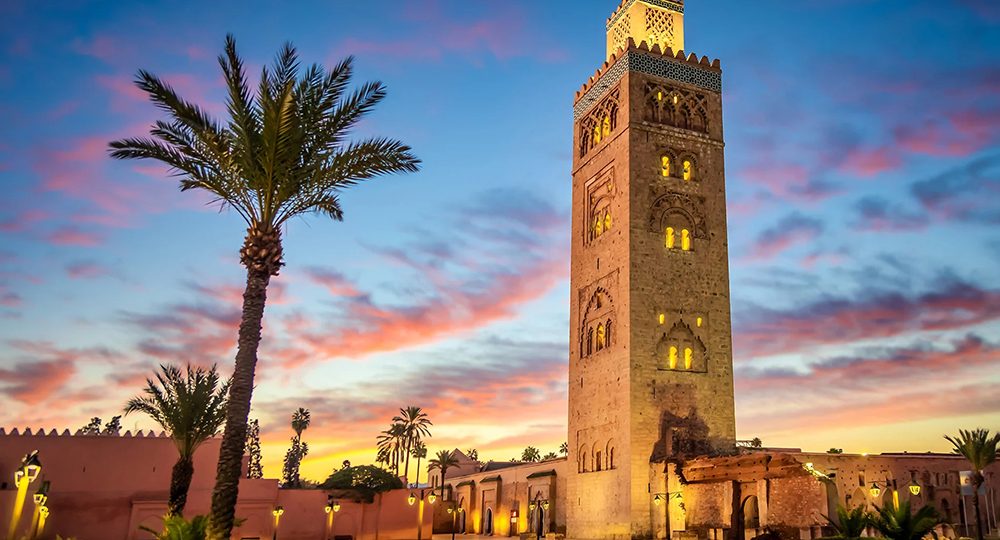
No decision to visit Morocco is complete without Marrakech — the Red City that has captivated international visitors for decades and remains the single most visited destination in the kingdom. To visit Morocco via Marrakech is to arrive into the Djemaa el-Fna — the UNESCO-listed main square that transforms from a morning orange juice market to an evening carnival of storytellers, musicians, and food stalls — and to lose yourself in the medina’s labyrinthine souks organized by craft and trade in a pattern unchanged for centuries. The Bahia Palace, Saadian Tombs, Majorelle Garden, and the extraordinary Ben Youssef Madrasa are among the city’s headline attractions. For complete Marrakech preparation, read our Marrakech Morocco guide.
Fès — Visit Morocco’s Ancient Imperial Heart
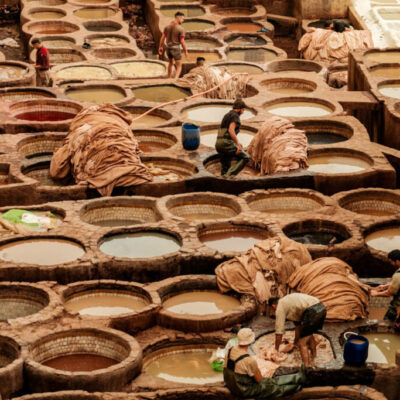
To visit Morocco without visiting Fès is to miss the kingdom’s oldest and most authentically preserved imperial city — a UNESCO World Heritage medina that remains the largest car-free urban area on earth and the most complete medieval Islamic city surviving anywhere in the world. The tanneries of Fès el-Bali, the Al-Qarawiyyin university (the oldest continuously operating university on earth), the ornate Bou Inania Madrasa, and the extraordinary sensory complexity of the medina’s 9,000 streets together make Fès the most intellectually and historically rewarding destination that anyone who chooses to visit Morocco will encounter.
Essaouira — Visit Morocco’s Atlantic Gem
Essaouira is the visit Morocco destination that surprises visitors most consistently — a UNESCO-listed walled port city on the Atlantic coast that combines Moroccan medina atmosphere with Portuguese fortifications, a world-famous wind-surfing and kite-surfing coastline, an extraordinary annual Gnaoua music festival, and a creative arts scene that has made it one of North Africa’s most culturally dynamic small cities. Those who visit Morocco for the Atlantic coast should always include Essaouira. Read our complete Essaouira Morocco guide for everything you need.
Imsouane — Visit Morocco’s Most Beloved Surf Village
Imsouane is the visit Morocco destination that those who discover it return to again and again — a small fishing village on the Atlantic coast between Essaouira and Agadir that hosts the longest right-hand wave in Africa and one of the longest in the world. To visit Morocco for surfing is to eventually find yourself at Imsouane — sitting above the bay watching the sets roll in, eating fresh-caught fish, and experiencing the particular magic of a place that combines extraordinary natural beauty with a community warmth and simplicity that more famous destinations have long since lost. For everything you need to visit Morocco’s most special surf village, read our Imsouane bay guide.
The Sahara — Visit Morocco’s Desert Icon
No visit Morocco experience is complete without at least one night in the Sahara — the extraordinary orange dune landscape near Merzouga in the southeast that remains one of the most immediately iconic and most emotionally powerful landscapes on earth. Camel trekking to a desert camp, watching the sunset dissolve the dunes from gold to amber to deep red, sleeping under a sky of impossible star density, and waking to a sunrise that repaints the same dunes in shades of pink and peach — this is the visit Morocco experience that no photograph adequately prepares any visitor for.
The Atlantic Coast — Visit Morocco’s Hidden Treasure
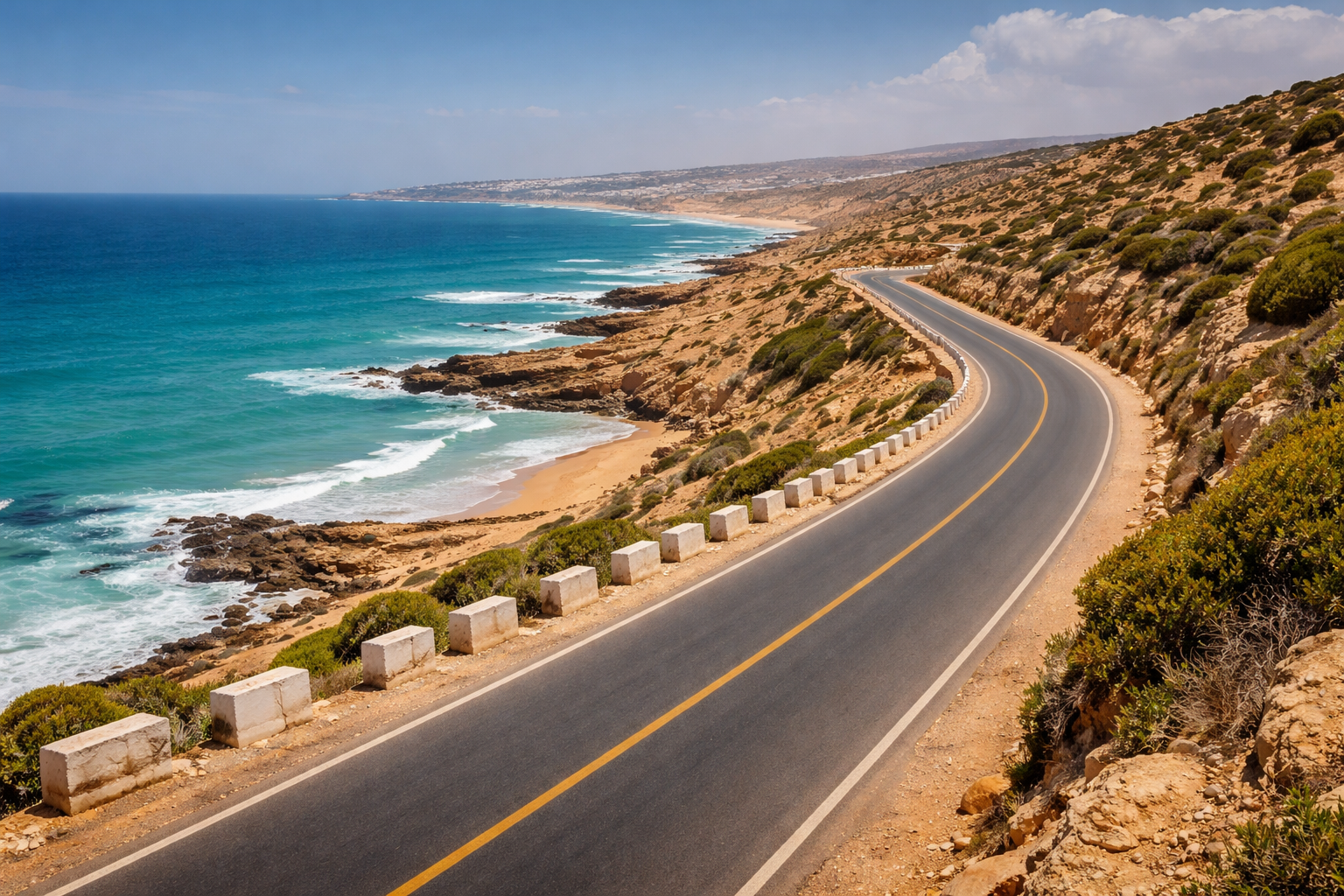
The full Atlantic coast from Tangier to Dakhla offers a visit Morocco experience that most itineraries underestimate — a 2,000 km coastline of sweeping beaches, dramatic cliffs, fishing harbours, surf points, and coastal villages that together constitute one of the most underrated continuous coastal drives in the world. For complete Atlantic coast itinerary planning, read our Morocco road trip guide.
visit Morocco top destinations Marrakech Fès Essaouira Imsouane Sahara 2026
Visit Morocco: Best Time to Go
Choosing the right time to visit Morocco depends primarily on which destinations and experiences are at the centre of any given itinerary — because the kingdom’s geographic diversity means that the best conditions vary significantly by region and by season.
Spring — The Best Overall Time to Visit Morocco
March through May is widely considered the best overall time to visit Morocco — temperatures across the imperial cities, Atlantic coast, and mountain regions are warm but not extreme, wildflowers carpet the High Atlas and pre-Saharan plains, and the Saharan south is accessible without the brutal summer heat that makes it genuinely dangerous later in the year. Those who visit Morocco in spring benefit from comfortable conditions across virtually every destination in the kingdom simultaneously — a convergence of favourable conditions that no other season fully replicates.
Autumn — The Second Best Time to Visit Morocco
September through November offers conditions that closely rival spring for those planning to visit Morocco — the summer heat has broken, the Sahara is again comfortably accessible, the Atlantic coast is warm enough for swimming, and the imperial cities are at their most atmospheric in the golden light of early autumn. October is widely regarded as the single best calendar month to visit Morocco for those whose schedules allow flexibility.
Summer — Visit Morocco’s Atlantic Coast
Summer is not the best time to visit Morocco’s interior — temperatures in Marrakech, Fès, and the Saharan south regularly exceed 40°C and can make outdoor exploration genuinely difficult. However, summer is excellent for those who visit Morocco specifically for the Atlantic coast — Essaouira, Imsouane, and Agadir benefit from cooling Atlantic trade winds that keep coastal temperatures comfortable while the interior bakes. For summer Atlantic coast planning, read our best time to visit Morocco guide.
Winter — Visit Morocco’s Mountains and South
December through February is the best time to visit Morocco’s southern Saharan destinations — Merzouga, Zagora, and the pre-Saharan valleys are at their most comfortable in winter, with clear skies and crisp temperatures replacing summer’s impossible heat. The High Atlas mountains attract snowfall in winter, making the Tizi n’Tichka pass occasionally impassable but making ski resorts like Oukaimeden a genuine visit Morocco winter option.
Visit Morocco: Entry Requirements and Visa Rules
Understanding entry requirements before you visit Morocco is essential — not because the requirements are complex, but because the handful of rules that do apply are consistently enforced at every border.
Passport Morocco Requirement to Visit Morocco
To visit Morocco, every international visitor must hold a passport valid for at least six months beyond the intended entry date. This rule is non-negotiable and applied without exception at all Moroccan airports, ferry ports, and land border crossings. Check your passport validity before booking — not at the departure airport.
Who Can Visit Morocco Without a Visa
Citizens of all EU member states, the UK, the USA, Canada, Australia, New Zealand, Japan, South Korea, Brazil, Argentina, and most Latin American and Southeast Asian nations can visit Morocco without a visa for stays of up to 90 days. A valid passport is the only document required at the border for these nationalities.
Who Needs a Visa to Visit Morocco
Citizens of countries not covered by Morocco’s visa-free framework must obtain a visa before travel from a Moroccan embassy or consulate. The application requires proof of accommodation, return flights, bank statements, and travel insurance. Always verify the current visa requirement for your specific nationality before booking.
No Health Documents Required to Visit Morocco
As of 2026, there are no vaccination requirements, no test requirements, and no health declaration forms needed to visit Morocco from any country. For the complete entry rules picture, read our Morocco travel requirements guide and Morocco travel restrictions guide.
Visit Morocco: Getting Around the Kingdom
Getting around Morocco efficiently is one of the most important practical decisions any visitor makes when planning to visit Morocco — because the kingdom is large, its best destinations are spread across very different geographic zones, and transport quality varies significantly by route and by mode.
Train — The Best Way to Visit Morocco’s Cities
Morocco’s ONCF rail network is the most comfortable and most reliable way to travel between the kingdom’s major cities. The high-speed Al Boraq train connecting Casablanca and Tangier via Rabat is the fastest train in Africa. Standard trains connect Casablanca, Marrakech, Fès, Meknès, and Oujda with good frequency and air conditioning. Those who visit Morocco primarily for the imperial cities and the Atlantic coast’s larger towns will find the train network more than adequate for their primary city-to-city movements.
Bus — Visit Morocco Beyond the Rail Network
CTM and Supratours — Morocco’s two premium intercity bus operators — cover destinations far beyond the rail network, including Agadir, Essaouira, Merzouga, Zagora, Dakhla, and smaller Atlantic coast destinations. Those who visit Morocco for surf destinations, desert towns, or mountain villages will rely on these services for many of their longer journeys. Book in advance for the most popular routes during peak travel periods.
Car Rental — The Freedom to Visit Morocco Independently
Renting a car is the single most liberating transport decision any visitor can make when planning to visit Morocco — particularly for those whose itinerary includes the Atlantic coast, High Atlas mountain passes, the pre-Saharan valleys, or smaller destinations not served by train or bus. Major international rental companies operate at all of Morocco’s main airports. For complete road trip planning, read our Morocco road trip guide.
Taxis — Visit Morocco’s Urban Transport
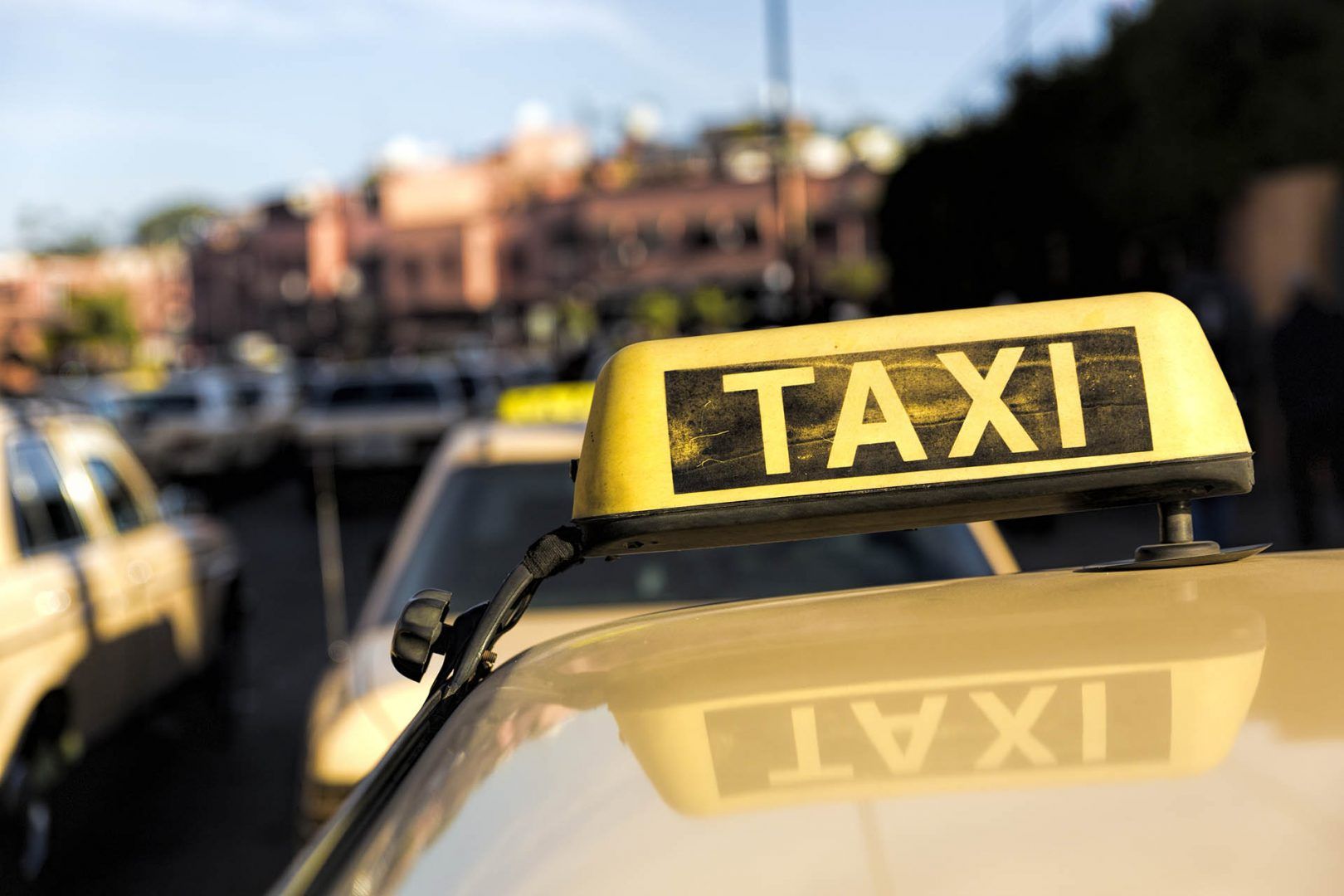
Petit taxis (small city taxis operating within urban boundaries) and grand taxis (shared intercity taxis operating fixed routes) are the primary local transport options throughout Morocco. Always agree a price or insist on the meter before departure in petit taxis — this is a standard practice for all who visit Morocco and prevents fare disputes at the destination.
visit Morocco transport train bus car rental taxi getting around 2026
Visit Morocco: Where to Stay
Accommodation choices when you visit Morocco range from some of the world’s most extraordinary traditional guesthouses to international luxury hotels, surf camps, desert bivouacs, and mountain lodges — a spectrum of options that matches the extraordinary diversity of the destinations themselves.
Riads — The Authentic Way to Visit Morocco
A riad — a traditional Moroccan townhouse built around an interior courtyard garden — is the most authentic and most atmospheric accommodation choice for any visitor to Morocco’s imperial cities. To stay in a riad when you visit Morocco is to sleep inside the medina itself, in a building that may be hundreds of years old, decorated with hand-cut zellige tilework, carved plasterwork, and painted cedar ceilings that represent the finest traditional craftsmanship in North Africa. Riads in Marrakech and Fès range from intimate four-room family guesthouses to lavishly restored boutique hotels with rooftop terraces and plunge pools.
Surf Camps — Visit Morocco’s Atlantic Coast in Style
Morocco’s Atlantic coast — and particularly the area around Imsouane, Taghazout, and Essaouira — has developed a thriving surf camp accommodation sector that makes the visit Morocco surf experience accessible to visitors at every level of experience and every budget. Surf camps combine accommodation, surf instruction, equipment rental, and often meals into an all-inclusive format that simplifies the Atlantic coast visit Morocco experience significantly. For specific Imsouane accommodation and budget planning, read our Imsouane budget travel tips guide.
Luxury Hotels — Visit Morocco in Exceptional Comfort
For those who visit Morocco seeking world-class luxury, the kingdom’s major destinations offer accommodation that rivals the finest hotels anywhere on earth — La Mamounia in Marrakech, the Sofitel Fès Palais Jamai, the Four Seasons Marrakech, and a growing roster of extraordinary boutique luxury riads and resort properties across the country. For complete luxury Morocco planning, read our luxury Morocco holidays guide and luxury Morocco tours guide.
Visit Morocco: Food, Culture, and Local Etiquette
To visit Morocco without engaging with its food, culture, and social customs is to experience only a fraction of what the kingdom has to offer — and to risk inadvertently causing offence in a country whose hospitality and warmth are among its most defining and most genuine characteristics.
Food — The Essential Visit Morocco Experience
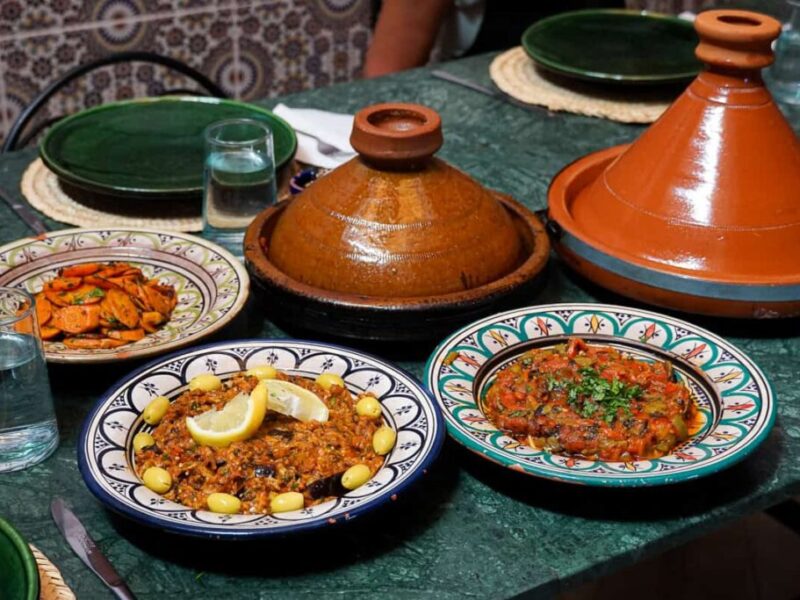
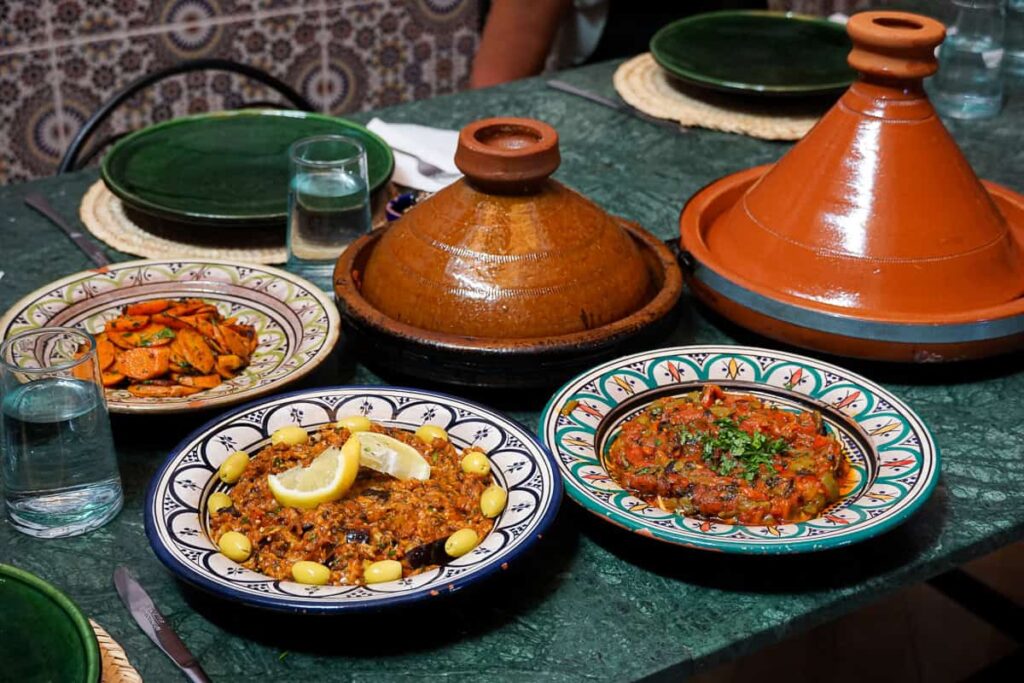
Moroccan cuisine is one of the great food cultures of the world — a centuries-old tradition of spice, slow cooking, and remarkable complexity built from ingredients that span the Mediterranean, the Sahara, and the Atlantic. To visit Morocco and not eat well is almost impossible. Tagine — the slow-cooked stew of meat, vegetables, preserved lemon, and olives that has become the kingdom’s signature dish — is available in versions that range from humble roadside restaurant simplicity to elaborate restaurant presentations of extraordinary refinement. Couscous served on Fridays in family homes and local restaurants. Pastilla — the extraordinary sweet-savoury pigeon or chicken pie encased in paper-thin warka pastry. Harira soup, msemen flatbreads, fresh-pressed argan oil drizzled over amlou almond paste — the food of Morocco rewards every visit Morocco visitor who approaches it with curiosity and appetite.
Ramadan — Visit Morocco During the Holy Month
Visitors who visit Morocco during the holy month of Ramadan encounter a profoundly different side of the kingdom — quieter days, a city that comes alive after sunset with the breaking of the fast at Iftar, extraordinary communal energy in the medinas during evening hours, and a depth of cultural access that non-Ramadan visits rarely provide. Eating, drinking, and smoking publicly during daylight hours in Ramadan is disrespectful to the local community — visitors who visit Morocco during Ramadan should be aware of and respectful toward this context. For timing guidance, read our best time to visit Morocco guide.
Dress and Etiquette — Visit Morocco Respectfully
Morocco is a Muslim-majority country with conservative social norms in many contexts — particularly in smaller towns, rural areas, and religious sites. Visitors who visit Morocco and dress modestly — covering shoulders and knees in medinas and away from resort beaches — will encounter a warmer reception and greater cultural respect throughout their journey. Remove shoes before entering mosques or private homes. Accept mint tea when offered — it is a gesture of hospitality that defines the visit Morocco social experience at its most genuine.
Visit Morocco: Budget and Cost Planning
Morocco is one of the world’s most exceptional value travel destinations — a country where the cost of visiting is dramatically lower than comparable Mediterranean or European destinations while the quality of the food, accommodation, and experience is genuinely world-class.
Budget Travel — Visit Morocco for Less
Those who visit Morocco on a tight budget will find that the kingdom rewards careful spending remarkably well. A comfortable bed in a medina guesthouse or surf camp costs between $15 and $40 per night. A filling tagine at a local restaurant costs $3–$7. Intercity buses cover long distances for $5–$15. Street food — msemen, harira, brochettes — costs a matter of cents. Budget travellers who visit Morocco can live well for $40–$60 per day including accommodation, food, and local transport.
Mid-Range Travel — Visit Morocco Comfortably
Mid-range visitors who visit Morocco typically spend $80–$150 per day — staying in comfortable riads, eating at better restaurants, taking occasional taxis rather than buses, and booking guided excursions for desert, mountain, or medina experiences. This budget unlocks an exceptionally high quality of Morocco travel experience. For complete Morocco budget planning, read our Morocco travel cost and budget guide.
Currency When You Visit Morocco
Morocco’s currency is the Dirham (MAD). It is a non-convertible currency — it cannot be purchased outside Morocco and cannot be exported in significant quantities. Exchange foreign currency at Moroccan banks or bureaux de change upon arrival, keep all exchange receipts for reconversion at departure, and carry sufficient cash for smaller destinations and rural areas where cards are not accepted.
For complete Morocco things to do planning across all budgets, read our Morocco things to do guide and things to do in Morocco guide.
visit Morocco budget cost food accommodation Dirham currency planning 2026
Visit Morocco: Safety and Travel Tips
Morocco is consistently rated among Africa’s safest countries for international visitors — a fact that should be stated clearly and confidently for any traveller considering whether to visit Morocco.
Overall Safety When You Visit Morocco
Violent crime targeting tourists is genuinely rare throughout Morocco. The most commonly experienced concern for those who visit Morocco is petty theft — pickpocketing in crowded medina environments — which standard urban precautions effectively prevent. Carry valuables in a concealed money belt, be aware in very crowded market spaces, and keep bags zipped and worn in front in the busiest medina areas.
Hustling and Unofficial Guides — Visit Morocco Prepared
Visitors who visit Morocco for the first time are sometimes surprised by the persistent attention of unofficial guides — particularly in Marrakech and Fès — who offer to lead visitors through the medina in exchange for a commission-earning stop at a cooperatively arranged shop. This is not a safety concern — it is a commercial approach that can be firmly and politely declined. Hiring an official licensed guide for medina exploration is the most reliable way to visit Morocco’s most complex cities without this pressure.
Regional Safety — Where to Visit Morocco Without Concern
The overwhelming majority of Morocco — all imperial cities, the entire Atlantic coast, the High Atlas, the Saharan south including Merzouga — is safe and welcoming for international visitors. The UK Foreign Office and US State Department advise against travel within 30 km of the Algerian border in eastern Morocco — a regional restriction that affects very few standard visit Morocco itineraries. For complete safety guidance, read our Morocco travel tips guide and Morocco tourism guide.
External resource: UK Foreign Office Morocco Travel Advice External resource: US State Department Morocco Travel Advisory
Visit Morocco: How to Plan the Perfect Trip
Planning to visit Morocco effectively means making a series of decisions — about destinations, timing, duration, transport, and budget — that together determine the quality and depth of the experience.
How Long to Visit Morocco
A minimum of ten days is needed to visit Morocco with any meaningful depth — enough time to cover two or three major destinations without feeling rushed between each. Two weeks is the ideal duration for a first visit Morocco itinerary — allowing time for an imperial city (Marrakech or Fès), the Atlantic coast (Essaouira or Imsouane), and a southern experience (Sahara or Draa Valley). Three weeks allows a genuinely comprehensive first visit Morocco journey that takes in all of the above plus mountain villages and a more relaxed pace throughout.
Best Visit Morocco Itinerary for First-Timers
Days 1–3 in Marrakech — medina exploration, day trip to the Atlas, evening on the Djemaa el-Fna. Days 4–5 travel south to the Draa Valley and Sahara — camel trek and desert camp night near Merzouga. Days 6–7 north to the Atlantic coast — arriving at Essaouira for its medina, beach, and wind. Days 8–10 south along the coast to Imsouane — surfing, bay walks, and the particular magic of Morocco’s finest surf village. Days 11–14 return via Agadir — allowing time for the Souss-Massa National Park and a final night in Marrakech before departure.
Visit Morocco With Children
Morocco is an excellent destination to visit with children — safe, engaging, and full of sensory wonder that captures young imaginations immediately. The Sahara, the medinas, the Atlantic beaches, and the extraordinary food culture all work exceptionally well for family travel. For complete family-focused destination planning, read our Morocco travel guide and our must-visit cities in Morocco guide.
Visit Morocco for Surfing
Morocco’s Atlantic coast is one of the world’s great surf destinations — consistent swell, warm water, a range of breaks from beginner to expert level, and a coastline culture that makes the surf visit Morocco experience unlike anywhere else in the world. Imsouane’s legendary right-hander, Taghazout’s world-class point breaks, and Essaouira’s wind-sport conditions together make the Atlantic coast an essential visit Morocco destination for any ocean-focused traveller. Read our Imsouane bay guide for the definitive Atlantic surf visit Morocco resource.
External resource: Official Morocco Tourism External resource: UNESCO World Heritage Sites in Morocco
visit Morocco perfect trip planning itinerary surf cities Sahara Atlantic coast 2026
Visit Morocco in 2026 — The Kingdom Is Ready for You
To visit Morocco in 2026 is to choose one of the world’s great travel experiences at a moment of genuine peak — a kingdom whose extraordinary diversity of landscape, culture, history, food, and human warmth is now matched by an infrastructure and hospitality sector that has never been better equipped to welcome international visitors.
The reasons to visit Morocco are as varied as the visitors who make the journey. Some visit Morocco for the imperial grandeur of Fès and Marrakech — the medinas, the mosques, the extraordinary craft traditions. Some visit Morocco for the Atlantic surf — the long right-handers of Imsouane, the point breaks of Taghazout, the wind of Essaouira. Some visit Morocco for the Sahara — that encounter with scale, silence, and star-filled sky that no other experience on earth replicates. Some visit Morocco for the food, for the mountains, for the warmth of a culture whose hospitality is not a performance but a genuinely held value expressed in every glass of mint tea offered to a stranger.
Whatever brings any individual visitor to make the decision to visit Morocco, 2026 is an exceptional year to make that decision — before the World Cup crowds transform the kingdom’s most famous destinations forever, while the investment in quality and infrastructure is at its peak, and while Morocco remains exactly what it has always been: one of the world’s most extraordinary, most welcoming, and most unforgettable travel destinations.
Have questions about your plans to visit Morocco? Explore our full collection of guides — including our Morocco travel requirements guide, Morocco travel restrictions guide, Morocco travel guide, Morocco travel tips guide, Morocco tourism guide, Morocco country guide, best time to visit Morocco, Morocco travel cost guide, Morocco road trip guide, Marrakech Morocco guide, Essaouira Morocco guide, Imsouane bay guide, Imsouane budget travel tips, Morocco things to do guide, luxury Morocco holidays, luxury Morocco tours, cities in Morocco guide, and our complete must-visit cities in Morocco guide — for everything you need to visit Morocco confidently and completely in 2026.
Comments