 By
By
Morocco travel restrictions update complete entry guide 2026 passport visa border
Table of Contents
- Morocco Travel Restrictions: Current Status Overview
- Morocco Travel Restrictions: Passport and Visa Requirements
- Morocco Travel Restrictions: Health Entry Requirements
- Morocco Travel Restrictions: Border and Entry Points
- Morocco Travel Restrictions: Customs and Import Rules
- Morocco Travel Restrictions: Regional Travel Restrictions
- Morocco Travel Restrictions: Safety and Security Advisories
- Morocco Travel Restrictions: Photography and Drone Rules
- Morocco Travel Restrictions: Currency and Financial Regulations
- Morocco Travel Restrictions: Planning Your Trip Within Current Rules
Introduction
Morocco travel restrictions in 2026 are among the most straightforward and most visitor-friendly of any North African destination — a fact that surprises many travellers who assume that a country of Morocco’s geographic position and cultural character might impose complex or restrictive entry conditions on international visitors. The reality is that Morocco has maintained one of the most open and welcoming international entry frameworks in Africa for decades, and the 2026 update to this Morocco travel restrictions guide confirms that the kingdom remains one of the most accessible destinations available to travellers from Europe, North America, and most other major tourism-origin countries.
Understanding Morocco travel restrictions accurately before departure is not about navigating a complex bureaucratic maze — it is about ensuring that the handful of specific rules and requirements that do apply are understood and respected, so that arrival at the border or airport is smooth, confident, and completely uncomplicated.
Morocco travel restrictions in 2026 are shaped by several contextual factors that every visitor should understand. The kingdom has significantly increased its international tourism ambitions in preparation for co-hosting the 2030 FIFA World Cup with Spain and Portugal — a context that has driven infrastructure investment, streamlined border processing, and maintained the welcoming entry framework that has underpinned Morocco’s tourism growth. At the same time, Morocco maintains specific regulations around currency, certain imports, restricted areas, and photography that every responsible visitor should be aware of before arrival.
This guide provides the most current and most comprehensive Morocco travel restrictions update available for 2026 — covering passport and visa rules, health documentation, border entry points, customs regulations, regional restrictions, safety advisories, and the practical planning information that ensures every visitor arrives in Morocco fully prepared and fully compliant.
For the complete Morocco pre-departure preparation resource, read our detailed Morocco travel requirements guide alongside this Morocco travel restrictions update — together they provide the most thorough entry preparation available for any Morocco visitor in 2026.
Morocco Travel Restrictions: Current Status Overview
The Morocco travel restrictions current status for 2026 can be summarized clearly and reassuringly for the vast majority of international visitors: Morocco is open, welcoming, and operating under normal pre-pandemic entry conditions with no COVID-19 specific travel restrictions in place.
No COVID-19 Travel Restrictions
Morocco removed all pandemic-related travel restrictions — vaccination requirements, negative test requirements, passenger locator forms, and health declaration forms — following the global normalization of international travel and has not reinstated any of these requirements. The Morocco travel restrictions currently in place for 2026 are the standard pre-pandemic entry requirements that have governed international arrivals in Morocco for years.
Normal Entry Operations at All Ports
All of Morocco’s international airports, ferry ports, and land border crossings (where applicable) are operating normally with standard customs and immigration procedures. There are no exceptional queuing, processing delays, or documentation requirements beyond the standard passport inspection and arrival card completion that have always governed Morocco’s entry process.
Key Morocco Travel Restrictions Summary for 2026
The Morocco travel restrictions that apply to most international visitors are genuinely limited — a valid passport with six months of remaining validity, no visa for citizens of most Western countries for stays up to 90 days, no specific health documentation required, and compliance with standard customs regulations on currency and certain imports. These are not burdensome restrictions — they are the standard entry framework of a welcoming and internationally engaged kingdom.
For travellers planning extended stays in Morocco — including those considering property investment along the Atlantic coast — our guides to buying land in Imsouane and buying property in Marrakech cover the legal and residency framework relevant to long-term presence in the country beyond standard tourist Morocco travel restrictions.
Morocco Travel Restrictions: Passport and Visa Requirements
Passport and visa requirements are the most fundamental Morocco travel restrictions — and the area where failure to comply has the most immediate and most serious consequences for travellers at the border.
Passport Validity — The Most Critical Morocco Travel Restriction
The single most important Morocco travel restriction for any international visitor is the passport validity requirement — Morocco requires that your passport be valid for a minimum of six months beyond your intended date of entry. This rule is strictly and consistently enforced at all Moroccan ports of entry.
The six-month validity Morocco travel restriction means that a visitor planning to enter Morocco on July 1, 2026 must hold a passport valid until at least January 1, 2027. Passports expiring within six months of the entry date are refused entry regardless of the visitor’s nationality, regardless of how short their planned stay, and regardless of any other documentation they carry. Check passport validity before booking flights — not at the airport on departure day.
Children and Passport Morocco Travel Restrictions
The six-month validity Morocco travel restriction applies equally to children — and children must hold their own valid passports rather than being included on a parent’s document. Any family travelling to Morocco should verify the passport validity of every family member before booking travel.
Visa-Free Morocco Travel Restrictions — Who Qualifies
The following nationalities face no visa Morocco travel restrictions for stays of up to 90 days — they can enter Morocco with only a valid passport:
All European Union member state citizens. United Kingdom nationals (post-Brexit, UK citizens retain visa-free access to Morocco). United States citizens. Canadian citizens. Australian citizens. New Zealand citizens. Japanese citizens. South Korean citizens. Brazilian citizens. Argentine citizens. Swiss, Norwegian, and Icelandic citizens. Gulf Cooperation Council citizens. Most Latin American and Southeast Asian nationalities.
This list covers the overwhelming majority of Morocco’s international tourism market — confirming that visa Morocco travel restrictions are minimal for most visitors.
Visa Requirements — Nationalities Subject to Morocco Travel Restrictions
Citizens of countries not covered by Morocco’s visa-free framework face a more significant Morocco travel restriction — they must obtain a visa before travel from a Moroccan embassy or consulate in their country of residence. The visa application process requires a valid passport, completed application form, passport photographs, proof of accommodation, return flight confirmation, bank statements, and travel insurance.
Always verify the current visa Morocco travel restriction for your specific nationality at the official Moroccan consulate website before booking travel — this information can change and outdated information risks serious disruption.
Length of Stay Morocco Travel Restrictions
The 90-day Morocco travel restriction on length of stay applies to all visa-free nationalities. This period begins on the date of entry as stamped in your passport and cannot be extended for tourism purposes without applying to Moroccan immigration authorities. Overstaying this Morocco travel restriction is a serious matter — it can result in fines, difficulty exiting the country, and complications with future entry attempts.
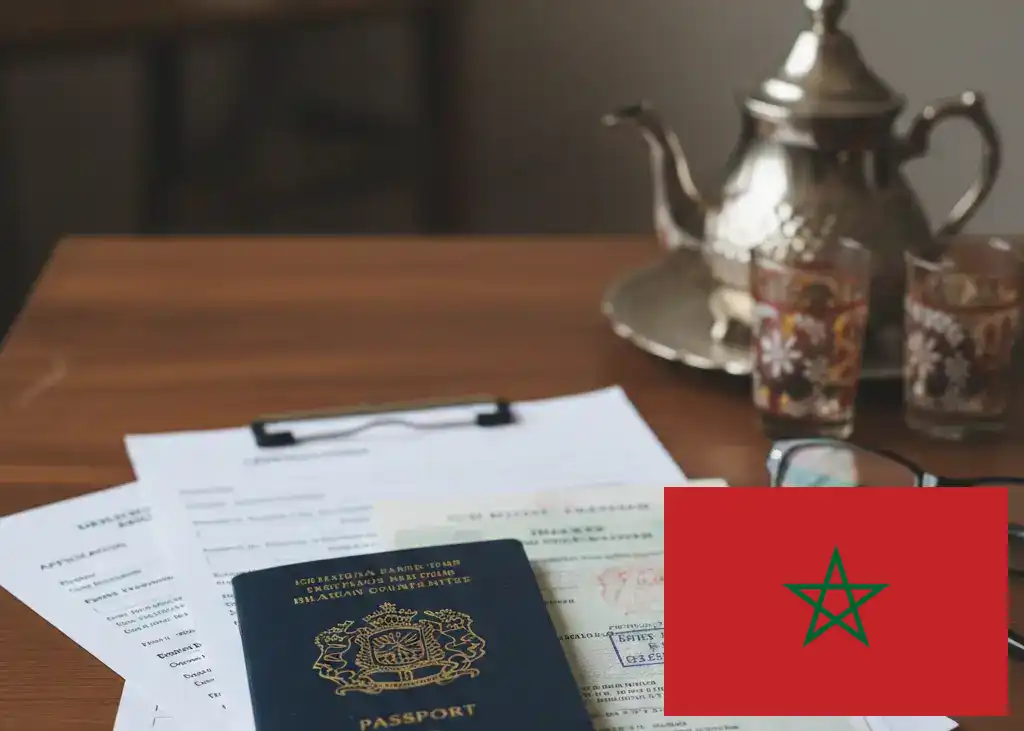
Morocco travel restrictions passport visa requirements 2026 entry rules nationalities
Morocco Travel Restrictions: Health Entry Requirements
Health entry requirements are an important component of the Morocco travel restrictions framework — and the area most subject to change in response to international health developments.
Current Health Morocco Travel Restrictions — 2026 Status
As of 2026, Morocco imposes no health-specific Morocco travel restrictions on visitors from any country. There are no vaccination requirements, no negative test requirements, no health declaration forms, and no pandemic-related documentation of any kind required for entry into Morocco from any destination.
Morocco’s removal of COVID-19 Morocco travel restrictions was among the earliest and most comprehensive of any African nation — a deliberate policy decision to maintain the open tourism framework that underpins the kingdom’s economic development strategy.
Vaccination Recommendations — Not Morocco Travel Restrictions
While no vaccinations constitute mandatory Morocco travel restrictions for 2026 entry, several vaccinations are recommended by international health authorities for travellers to Morocco and should be considered as responsible pre-travel preparation:
Hepatitis A is the most universally recommended vaccination for Morocco visitors — transmitted through contaminated food and water, present throughout Morocco including major cities, and entirely preventable with a two-dose vaccination course. Hepatitis B is recommended for visitors who may receive medical treatment, have tattoos or body piercings, or engage in sexual contact during their stay. Typhoid is recommended for visitors who will eat at local restaurants, street food stalls, or in rural areas. Tetanus and routine vaccinations (MMR, DTP, polio) should be current before any international travel including Morocco.
These are recommendations from international health authorities — not Morocco travel restrictions. They are health preparations that responsible travellers make regardless of entry requirements.
Yellow Fever — A Specific Morocco Travel Restriction
One specific health-related Morocco travel restriction applies to visitors arriving from certain countries where yellow fever is endemic — Morocco requires proof of yellow fever vaccination for travellers arriving from countries with risk of yellow fever transmission. If your Morocco itinerary includes travel from a yellow fever risk country immediately before Morocco entry, verify the current yellow fever Morocco travel restriction with the Moroccan consulate or embassy before departure.
Future Health Morocco Travel Restrictions
International health conditions can change rapidly and Morocco travel restrictions can be updated at short notice in response to global health developments. Always verify the current health Morocco travel restrictions at the official Moroccan government source or your country’s foreign ministry travel advice page immediately before travel — not weeks or months in advance.
Morocco Travel Restrictions: Border and Entry Points
Understanding which entry points are operational and which face specific Morocco travel restrictions is essential for visitors planning road journeys, ferry crossings, or overland routes.
Air Entry — All Major Airports Fully Operational
All of Morocco’s international airports operate under normal Morocco travel restrictions — standard passport inspection and customs declaration upon arrival, with no exceptional restrictions beyond the standard entry requirements. The major international airports include Casablanca Mohammed V (the largest and most connected), Marrakech Menara (the primary budget airline hub for European visitors), Agadir Al Massira (the primary entry point for Atlantic coast and surf itineraries), Fès-Saïss, Tangier Ibn Battouta, and Essaouira Mogador.
Ferry Entry — Spain to Morocco Routes
Ferry services operating between mainland Spain and Morocco — the Algeciras to Tangier Med route (operated by FRS, Balearia, and others) and the Tarifa to Tangier route — are operational and subject to standard Morocco travel restrictions at the port of arrival. Passport inspection is conducted on the Moroccan side of the crossing — the same six-month validity and visa requirements apply as at air entry points.
The Ceuta and Melilla land border crossings — from Spanish sovereign territories into Morocco — are subject to standard Morocco travel restrictions but can experience significant queuing during peak periods (summer weekends, Spanish school holidays). Allow substantial extra time for these crossings.
Land Border with Algeria — Closed Morocco Travel Restriction
The Algeria-Morocco land border has been subject to a Morocco travel restriction — closure — since 1994 and remains closed in 2026. This is one of the most significant Morocco travel restrictions for any overland traveller planning a trans-North African journey. There is no legal road crossing between Morocco and Algeria. Travellers planning itineraries that include both countries must make separate travel arrangements — flying between them rather than crossing overland.
Land Border with Mauritania — Open with Restrictions
The Morocco-Mauritania land border at Guerguerat in the Western Sahara is operational but subject to security Morocco travel restrictions that vary with regional conditions. Travellers planning to cross this border should check current UK Foreign Office or US State Department travel advice for the Western Sahara and Mauritania before attempting the crossing. This is not a casual Morocco travel restriction — it requires specific preparation and current intelligence about conditions along the route.
For complete road trip planning across Morocco’s accessible borders and internal routes, read our Morocco road trip guide.
Morocco Travel Restrictions: Customs and Import Rules
Morocco’s customs regulations constitute a set of specific Morocco travel restrictions on what can be brought into the country — and in some cases what can be taken out.
Currency Morocco Travel Restrictions
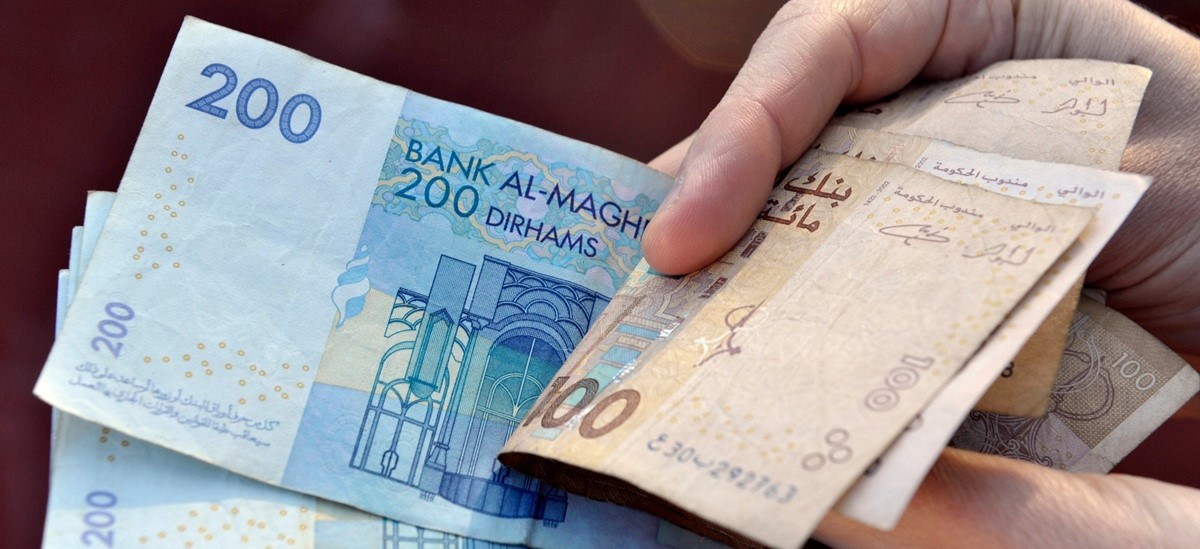
Morocco operates strict currency controls that constitute some of the most practically significant Morocco travel restrictions for any visitor. The Moroccan Dirham (MAD) is a controlled currency — it cannot be legally purchased outside Morocco and cannot legally be exported from Morocco in significant quantities.
Foreign currency import: Visitors may bring up to the equivalent of 100,000 MAD ($10,000) in foreign currency into Morocco without declaration. Amounts above this threshold must be declared on the arrival form. Moroccan Dirham export: Unspent Dirhams must be reconverted to foreign currency before departure — keep exchange receipts to facilitate this reconversion. These currency Morocco travel restrictions exist to protect the integrity of Morocco’s monetary system and are consistently enforced.
Alcohol Morocco Travel Restrictions
Morocco permits non-Muslim visitors to import alcohol subject to quantity limits — one litre of spirits and one litre of wine per person over 18 without duty liability. Quantities above these amounts are subject to Moroccan customs duties. These alcohol Morocco travel restrictions are among the more commonly encountered by European visitors packing their luggage for Morocco.
Drone Morocco Travel Restrictions
Drones face some of the most specific and most frequently violated Morocco travel restrictions encountered by international visitors. Bringing a drone into Morocco requires advance authorization from the Moroccan Civil Aviation Authority (ANAC). Visitors arriving with unregistered drones at Moroccan airports risk having them confiscated by customs authorities — sometimes permanently. Apply for authorization well in advance of travel if a drone is part of your Morocco itinerary. This Morocco travel restriction is actively enforced and the consequences of non-compliance are significant.
Medication Morocco Travel Restrictions
Prescription medications are subject to Morocco travel restrictions that vary by substance. Carry all prescription medication in original packaging with the prescription or a doctor’s letter. Certain medications freely available or legally prescribed in some countries — including some controlled substances, opioids, and psychotropic medications — face strict Morocco travel restrictions. Research the Moroccan legal status of any prescription medication before departure and carry documentation accordingly.
Prohibited Items Morocco Travel Restrictions
Morocco travel restrictions prohibit the import of narcotics and illegal drugs (subject to severe criminal penalties), weapons and ammunition without specific authorization, and items considered culturally offensive under Moroccan law. These are absolute Morocco travel restrictions with no grey areas — complete compliance is the only appropriate approach.
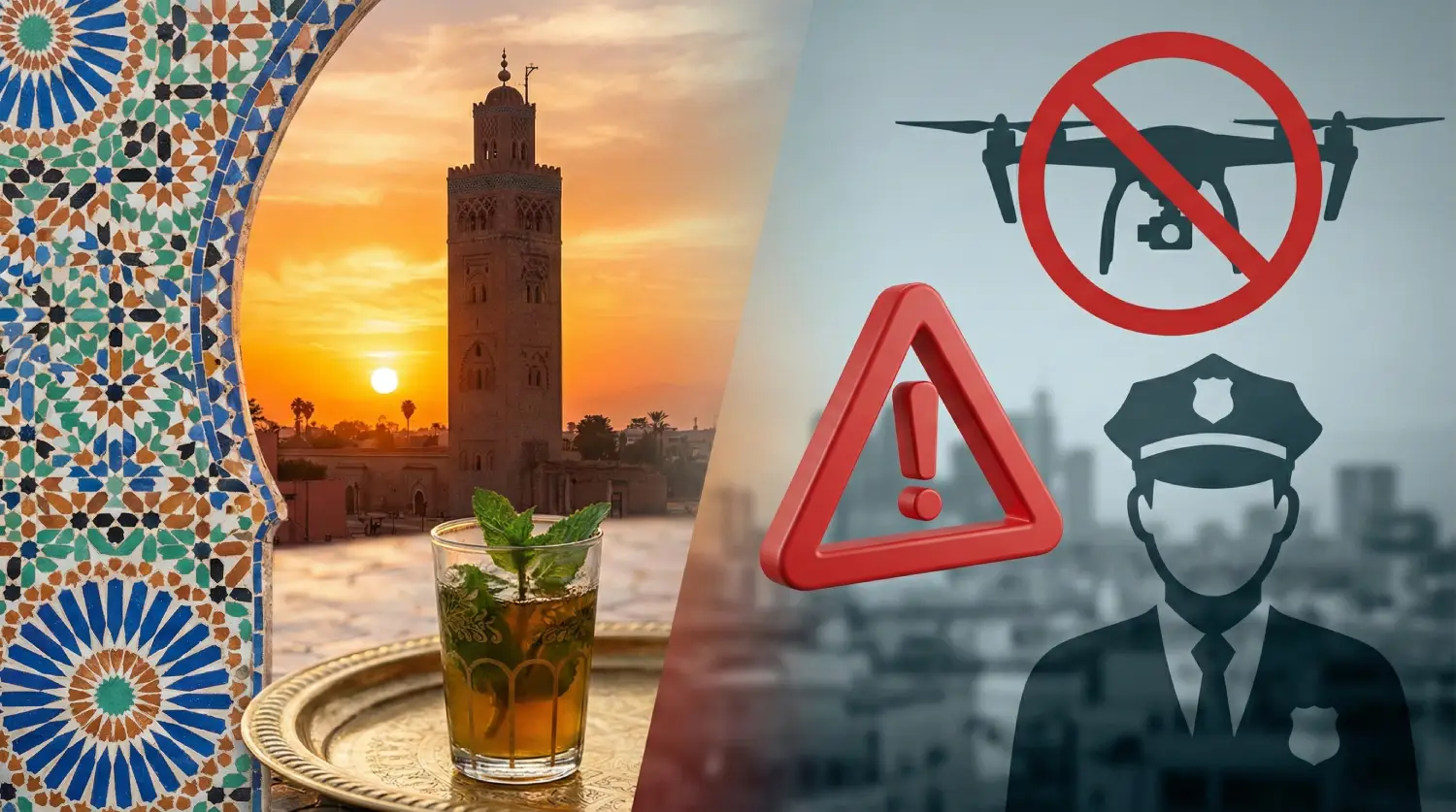
Morocco travel restrictions customs currency alcohol drone medication import rules 2026
Morocco Travel Restrictions: Regional Travel Restrictions
Beyond the national Morocco travel restrictions that apply to all visitors, several regional Morocco travel restrictions apply to specific areas of the kingdom — areas where security conditions, sensitive infrastructure, or border proximity create additional entry or movement constraints.
Western Sahara Morocco Travel Restrictions
The Western Sahara — the territory south of Morocco proper that Morocco administers but whose status is subject to ongoing international dispute — is accessible to most international visitors under standard Morocco travel restrictions. However, the UK Foreign Office, US State Department, and other national travel advisories note elevated risk in border areas near Mauritania and advise against travel to areas close to the Mauritanian border without specific preparation and current intelligence. Travelers should review their government’s specific Western Sahara travel advisory before including this region in their Morocco itinerary.
Border Areas with Algeria
In addition to the closed land border Morocco travel restriction, areas of eastern Morocco near the Algerian border are subject to elevated security Morocco travel restrictions. The UK Foreign Office and US State Department advise against travel within 30 km of the Algeria border in Morocco. Travelers planning itineraries in the Figuig area or other eastern border regions should review current advisories before proceeding.
General Security Zones Morocco Travel Restrictions
Military installations, royal palaces, government buildings, and border facilities are subject to Morocco travel restrictions on photography (detailed below) and in some cases on physical proximity. Respect all signage indicating restricted zones — these Morocco travel restrictions are enforced by Moroccan security forces and non-compliance has legal consequences.
Atlantic Coast — No Regional Morocco Travel Restrictions
The Atlantic coast of Morocco — from Tangier south through Essaouira, Imsouane, Agadir, and toward Dakhla — is subject to no regional Morocco travel restrictions beyond the standard national entry requirements. This entire coastal corridor is safe, accessible, and welcoming to international visitors. For everything you need to know about Morocco’s finest Atlantic coast destinations, read our comprehensive Imsouane bay guide and our Essaouira Morocco guide.
Morocco Travel Restrictions: Safety and Security Advisories
Safety advisories form an important component of any Morocco travel restrictions update — not because Morocco is an unsafe country, but because informed travellers make better decisions about where and how to travel within the kingdom.
Overall Morocco Safety Assessment
Morocco is consistently rated as one of Africa’s safest countries for international visitors. Violent crime targeting tourists is rare throughout the kingdom. The most commonly experienced security concern for Morocco visitors is petty theft — pickpocketing in crowded medina environments — which standard urban precautions (concealed valuables, secure bags, awareness of surroundings) effectively mitigate.
The UK Foreign Office, US State Department, and other major national travel advisories rate Morocco as generally safe for tourism while highlighting specific regional Morocco travel restrictions around border areas and elevated vigilance around large public gatherings.
Terrorism and Extremism Morocco Travel Restrictions
Morocco maintains a sustained counter-terrorism posture and has prevented several significant attacks in recent years. The UK Foreign Office rates the terrorism threat in Morocco as “high” (consistent with the assessment for most North African and Middle Eastern countries) — not a specific Morocco travel restriction but a call for heightened awareness in public spaces, transportation hubs, and tourist areas. Follow the guidance of local authorities and report any suspicious activity to Moroccan police (19).
Demonstrations and Public Gatherings
Demonstrations and public gatherings occur periodically in Morocco’s major cities. These are not typically subject to specific Morocco travel restrictions but visitors should avoid areas of significant crowd concentration when tensions are evident and follow guidance from local authorities and your accommodation host if unusual activity occurs near your location.
Natural Hazard Morocco Travel Restrictions
Morocco’s geography creates specific natural hazard Morocco travel restrictions that responsible travellers should understand. Mountain pass closures in winter — the Tizi n’Tichka and other High Atlas passes can be temporarily closed by snowfall between November and March. Flash flood risk in wadis and dry river valleys — particularly in the pre-Saharan south during rain events that may originate far from the visitor’s location. Extreme heat restrictions in the Saharan south during summer months that make outdoor activity genuinely dangerous. Check local conditions before mountain driving in winter and before entering wadi areas during or after rain.
External resource: UK Foreign Office Morocco Travel Advice
External resource: US State Department Morocco Travel Advisory
Morocco Travel Restrictions: Photography and Drone Rules
Photography Morocco travel restrictions are among the most specific and most frequently misunderstood of any rules governing visitor behavior in the kingdom.
Prohibited Photography Morocco Travel Restrictions
The following are subject to absolute Morocco travel restrictions on photography — photographing them is illegal under Moroccan law and enforced by security forces:
Military installations and equipment. Royal palaces and their immediate surroundings. Government buildings including ministries and parliament. Police stations and facilities. Border crossing infrastructure. Airport security and immigration areas.
These photography Morocco travel restrictions exist for legitimate national security reasons and are non-negotiable. Violations can result in detention, equipment confiscation, and legal proceedings.
Photography of People — Cultural Morocco Travel Restrictions
Photography of Moroccan people — particularly women in traditional dress, children, and religious figures — is governed not by formal Morocco travel restrictions but by cultural expectations of respect and consent that every responsible visitor should follow. Always ask permission before photographing individuals. A smile and a gesture toward the camera is the appropriate way to seek consent. Never photograph people who indicate they do not wish to be photographed.
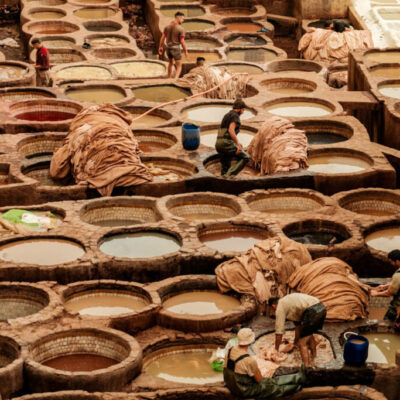
The medinas of Marrakech and Fès attract unofficial “guides” who approach photographers claiming that photographing certain sites — particularly tanneries — requires their facilitation and a fee. This is not a genuine Morocco travel restriction — it is an informal commercial approach that can be politely declined.
Drone Morocco Travel Restrictions — Summary
As noted in the customs section, drone use in Morocco requires advance authorization from ANAC — the Moroccan Civil Aviation Authority. This Morocco travel restriction is actively enforced at airports and at popular tourist locations where security forces are present. Do not bring a drone to Morocco without completing the authorization process in advance. For complete guidance, contact the Moroccan Embassy in your country before departure.
Morocco Travel Restrictions: Currency and Financial Regulations
Currency Morocco travel restrictions are among the most practically significant for any visitor planning a Morocco journey — affecting how money is obtained, used, and (importantly) taken out of the country.
The Dirham Convertibility Morocco Travel Restriction
The Moroccan Dirham is a non-convertible currency — it cannot be purchased outside Morocco and cannot legally be exported in significant quantities. This Morocco travel restriction means that all foreign currency must be exchanged into Dirhams inside Morocco, and all unspent Dirhams must be reconverted before departure.
Keep all exchange receipts throughout your Morocco journey — they are required by banks and exchange bureaus to process the reconversion of unspent Dirhams to foreign currency before departure. Without exchange receipts, reconversion may be refused or limited. This is a Morocco travel restriction that affects departure logistics if not managed correctly throughout the trip.
ATM Availability and Morocco Travel Restrictions
ATMs are widely available in Morocco’s major cities and pose no specific Morocco travel restriction issues for standard card withdrawals. Daily ATM withdrawal limits apply — typically 2,000–4,000 MAD ($200–$400) per transaction depending on the machine and your home bank’s daily limit. Plan multiple withdrawals if large cash amounts are needed.
Specific Morocco travel restriction note: certain destinations popular with international visitors — including Imsouane on the Atlantic coast — have no ATM within the village. Cash must be obtained before arrival. This is not a formal Morocco travel restriction but a practical access issue that catches unprepared visitors regularly. For complete Imsouane preparation advice, read our Imsouane budget travel tips guide.
Credit and Debit Card Morocco Travel Restrictions
Credit and debit cards are accepted at hotels, larger restaurants, and tourist-facing shops throughout Morocco’s major cities. However, cash remains essential for medina souks, street food, local transport, smaller guesthouses, and most transactions in villages and rural areas. The Morocco travel restriction on carrying sufficient cash applies most acutely in destinations far from major urban centers.
For complete Morocco budget and financial planning, read our Morocco travel cost and budget guide.
Morocco travel restrictions currency Dirham ATM credit card financial regulations 2026
Morocco Travel Restrictions: Planning Your Trip Within Current Rules
Understanding Morocco travel restrictions is only valuable if that understanding is converted into effective trip planning — ensuring that every aspect of your Morocco journey is compliant, prepared, and positioned for the most rewarding possible experience within the current regulatory framework.
Pre-Departure Morocco Travel Restrictions Checklist
Six to twelve weeks before departure: Verify passport validity — minimum six months beyond entry date. Check current visa Morocco travel restrictions for your nationality. Apply for drone authorization if relevant. Consult a travel medicine specialist about recommended vaccinations. Purchase comprehensive travel insurance covering Morocco and all planned activities.
Two to four weeks before departure: Download offline maps for all Morocco destinations. Notify bank and credit card providers of Morocco travel dates. Research ATM availability at all planned destinations — particularly smaller Atlantic coast locations. Book accommodation directly for peak season travel periods. Review current UK Foreign Office or US State Department Morocco travel advisory for any updates to Morocco travel restrictions.
Days before departure: Check your government’s Morocco travel advisory one final time for any last-minute Morocco travel restrictions updates. Confirm that medication documentation is complete. Ensure exchange documents and travel insurance details are accessible in both digital and physical form.
Best Destinations Within Morocco Travel Restrictions
All of Morocco’s finest travel destinations operate under standard Morocco travel restrictions with no regional complications. The Atlantic coast — from Essaouira south through Imsouane to Agadir — is fully accessible, safe, and subject to no regional Morocco travel restrictions beyond standard national entry requirements.
For destination-specific planning across Morocco’s finest locations, read our Morocco travel guide, our Morocco travel tips guide, and our best time to visit Morocco guide.
Things to Do Within Morocco Travel Restrictions
For the most comprehensive overview of activities, experiences, and destinations available within the current Morocco travel restrictions framework, read our Morocco things to do guide and our complete things to do in Morocco guide.
Luxury Travel Within Morocco Travel Restrictions
For high-end visitors planning luxury Morocco itineraries that comply fully with all current Morocco travel restrictions, read our luxury Morocco holidays guide and our luxury Morocco tours guide.
External resource: Official Morocco Tourism — Entry Information
External resource: ANAC Morocco — Drone Authorization
External resource: WHO International Travel and Health — Morocco
Morocco travel restrictions planning checklist pre-departure compliance 2026
Morocco Travel Restrictions Are Minimal — Preparation Makes Them Invisible
The Morocco travel restrictions update for 2026 delivers a fundamentally reassuring message for any traveller considering Morocco as a destination — the kingdom is open, welcoming, and operating under an entry framework that places minimal barriers between international visitors and one of the world’s most extraordinary travel experiences.
The Morocco travel restrictions that do exist — the six-month passport validity rule, the 90-day length of stay limit, the drone authorization requirement, the currency export controls, the customs limits on alcohol, the photography restrictions around sensitive sites — are entirely reasonable, entirely manageable with appropriate preparation, and entirely invisible to the visitor who has taken the time to understand and respect them before arrival.
The Morocco travel restrictions this guide cannot address are those that may arise after its publication — international health developments, security incidents, diplomatic changes, or regulatory updates that alter the entry framework after May 2026. Always verify current Morocco travel restrictions at your government’s official travel advice website immediately before departure — not weeks before, but days before.
Morocco travel restrictions in 2026 are not the story. The story is the kingdom behind them — its imperial medinas, its Atlantic surf coast, its Saharan dunes, its Berber mountain villages, its extraordinary food, its ancient argan forest, and the genuine warmth of a community of 38 million people who have been welcoming visitors to their extraordinary kingdom for centuries and continue to do so with a generosity and authenticity that no Morocco travel restriction has ever diminished.
Have questions about Morocco travel restrictions or planning your Morocco journey? Leave a comment below or explore our full collection of guides — including our Morocco travel requirements guide, Morocco travel guide, Morocco travel tips guide, Morocco tourism guide, Morocco country guide, best time to visit Morocco, Morocco travel cost guide, Morocco road trip guide, Marrakech Morocco guide, Essaouira Morocco guide, Imsouane bay guide, Imsouane budget travel tips, Morocco things to do guide, luxury Morocco holidays, luxury Morocco tours, cities in Morocco guide, and our complete must-visit cities in Morocco guide — for everything you need to travel Morocco confidently and compliantly in 2026.
Comments