 By
By
Morocco tourism ultimate travel guide 2026 Atlantic coast Sahara medina imperial cities
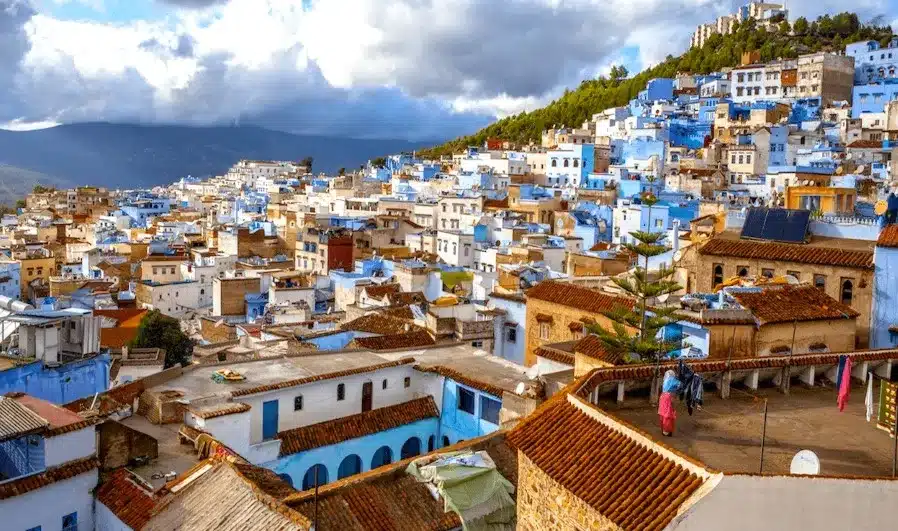
Table of Contents
- Morocco Tourism: Why Morocco is One of the World’s Greatest Destinations
- Morocco Tourism: The Imperial Cities
- Morocco Tourism: The Atlantic Coast
- Morocco Tourism: The Sahara Desert
- Morocco Tourism: The Atlas Mountains
- Morocco Tourism: Food and Culinary Culture
- Morocco Tourism: Surf and Adventure
- Morocco Tourism: Culture, Art and Music
- Morocco Tourism: Planning Your Trip
- Morocco Tourism: Practical Information
Introduction
Morocco tourism offers one of the most diverse, most accessible, and most genuinely extraordinary travel experiences available anywhere in the world in 2026. Within a single country — compact enough to cross from the Mediterranean coast to the Saharan south in a long day’s drive — Morocco tourism delivers ancient medina labyrinths, snow-capped Atlas Mountain peaks, golden Saharan dune fields, world-class Atlantic surf breaks, ancient argan forests, and some of the finest and most affordable cuisine on the African continent.
Morocco tourism has been growing consistently for over two decades — the country welcomed a record 17 million international visitors in 2024 and is projected to significantly exceed this figure in the years ahead as Morocco’s preparations for the 2030 FIFA World Cup accelerate infrastructure investment and international visibility across every region of the kingdom. In 2026, Morocco tourism is energized by new transport links, improved accommodation across all categories, expanded cultural facilities in the imperial cities, and a growing recognition in global travel media that Morocco offers more depth, more variety, and more genuine authenticity per travel day than almost any other destination in the Mediterranean and North African region.
Morocco tourism spans the full spectrum of travel experiences — from the overwhelming sensory intensity of a Marrakech medina evening to the elemental silence of a Saharan night under the Milky Way, from the physical challenge of a Jebel Toubkal summit to the contemplative peace of a riad courtyard in Fès, from the global surf community energy of Taghazout to the authentic Berber fishing village life of Imsouane. Whatever kind of traveller you are — adventurer, culture seeker, foodie, surfer, photographer, honeymooner, or family holiday planner — Morocco tourism has something extraordinary waiting for you.
This guide covers every dimension of Morocco tourism in 2026 — the destinations, the experiences, the food, the surf, the culture, the practical planning, and the insider knowledge that transforms a good Morocco trip into an unforgettable one.
Before diving into the specifics of Morocco tourism, get the complete picture of what the country offers across every region by reading our comprehensive guide to things to do in Morocco — the most thorough resource available for planning any Morocco itinerary.
Morocco Tourism: Why Morocco is One of the World’s Greatest Destinations
Morocco tourism occupies a unique position in the global travel landscape — a destination that consistently delivers on the promises it makes and frequently exceeds the expectations of visitors who arrive expecting something good and leave having experienced something genuinely extraordinary.
Geographic Diversity That Defies Belief
Morocco’s geographic range — within a country roughly the size of France — is genuinely extraordinary. Mediterranean beaches and cork oak forests in the north. The dramatic Rif Mountains of Chefchaouen country. The vast argan forest plains of the Atlantic coast. The High Atlas peaks rising to over 4,000 metres. The dramatic kasbahs and palm oases of the Draa Valley. The Saharan dune fields of Erg Chebbi near Merzouga. The Atlantic surf coast from Tangier to Dakhla.
This geographic diversity is what makes Morocco tourism so persistently rewarding for repeat visitors — there is always a region, a landscape, or a cultural environment that has not yet been fully explored, always a new road to follow and a new horizon to drive toward.
Cultural Depth That Takes Years to Fully Absorb
Morocco tourism offers cultural depth that rewards slow travel and punishes rushing. The 9,000-alley labyrinth of Fès el-Bali. The layered history of Marrakech’s imperial palaces, Sufi lodges, and working souks. The Berber traditions of the Atlas Mountain villages. The Gnawa music culture of the Atlantic coast. The argan oil cooperatives of the Haha region. The Jewish heritage of the imperial city mellahs. The Roman ruins of Volubilis.
Each of these cultural threads is deep enough to sustain weeks of engaged exploration — and they are all available within a country that, for most European visitors, is closer to home than any comparably rich cultural destination on earth.
Accessibility and Value
Morocco tourism is supported by some of the finest air connectivity from Europe of any African destination — dozens of budget airline routes from London, Paris, Amsterdam, Madrid, Brussels, and other European cities deliver direct access to Marrakech, Agadir, Casablanca, and other Moroccan airports for fares that frequently start below €40 one way. Once in the country, Morocco tourism delivers extraordinary value — quality riad accommodation from $20 per night, excellent restaurant meals from $5, and world-class surf from $0 (the ocean is free).
For a complete breakdown of what Morocco tourism costs at every budget level, read our comprehensive Morocco travel cost and budget guide — the most detailed Morocco cost resource available for 2026 planning.
Morocco tourism why visit geographic diversity cultural depth value 2026
Morocco Tourism: The Imperial Cities
The imperial cities — Marrakech, Fès, Meknès, and Rabat — are the historical and cultural heart of Morocco tourism and the destinations that most first-time visitors to Morocco prioritize above all others.
Marrakech — The Essential Morocco Tourism Experience
Marrakech is the centerpiece of Morocco tourism for most international visitors — a city of such overwhelming sensory intensity, historical magnificence, and visceral human energy that it consistently ranks among the world’s greatest travel destinations year after year. The medina’s UNESCO-listed labyrinth of souks, palaces, and riads. Djemaa el-Fna — the greatest public square on earth. The Majorelle Garden. The Bahia Palace. The Ben Youssef Madrasa.
Marrakech alone would justify Morocco’s reputation as a premier global travel destination. Combined with the Atlas Mountains that rise dramatically just 60 km to the south and the Sahara road that begins just beyond them, Marrakech anchors one of the finest multi-destination travel circuits available in the world. For a complete guide to Morocco’s greatest city, read our dedicated Marrakech Morocco guide.
Fès — The Soul of Morocco Tourism
Fès is Morocco tourism at its most profound and most challenging — a medieval city of such complexity, historical depth, and cultural authenticity that it requires more time, more patience, and more intellectual engagement than any other Morocco destination, and rewards all of these inputs with an experience genuinely unlike anything available anywhere else on earth.
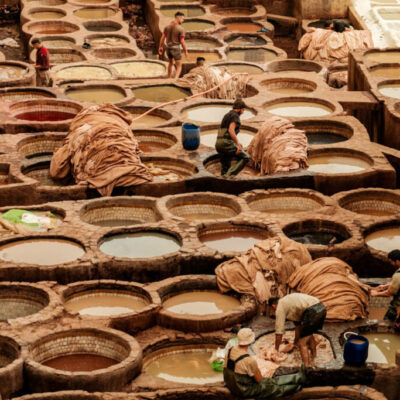
Fès el-Bali — the world’s largest car-free urban area — is a living medieval city whose 9,000 streets conceal the Chouara Tannery, the Al-Qarawiyyin University (the world’s oldest), the Bou Inania Madrasa, and dozens of craft quarters where artisans work by hand using techniques unchanged for centuries.
Chefchaouen, Meknès, and Rabat
The blue city of Chefchaouen — Morocco tourism’s most photogenic destination — provides a mountain counterpoint to the imperial cities’ plains and valleys. Meknès — the most undervisited of the imperial four — offers the finest value and the least-crowded medina experience. Rabat — Morocco’s elegant capital — combines ancient kasbah and medina with the modern governmental and cultural infrastructure of a 21st-century national capital.
For a complete guide to all of Morocco’s must-visit cities, read our must-visit cities in Morocco guide.
Morocco Tourism: The Atlantic Coast
Morocco tourism’s Atlantic coast is one of the country’s most diverse and most rapidly developing tourism corridors — a stretch of coastline from Tangier in the north to Dakhla in the far south that encompasses UNESCO-listed medina cities, world-class surf destinations, ancient argan forest, and some of the most dramatically beautiful coastal scenery in North Africa.
Essaouira — The Wind City of Morocco Tourism
Essaouira is one of Morocco tourism’s most distinctive and most beloved coastal destinations — a UNESCO-listed Atlantic walled city whose blue-and-white medina architecture, working fishing port, thuya wood artisan tradition, and extraordinary Gnawa music culture create an experience of unique atmospheric richness. The constant Alisé trade wind that defines Essaouira’s character makes it a world-class windsurfing and kite-surfing destination as well as one of Morocco’s finest cities for walking, photography, and slow cultural immersion.
For visitors combining Essaouira with the extraordinary coastal drive south, our dedicated Essaouira to Imsouane road trip guide covers every stop, every viewpoint, and every practical detail of this outstanding coastal journey.
Agadir — Morocco Tourism’s Premier Beach Resort
Agadir is Morocco tourism’s most developed beach destination — a modern resort city of 600,000 people with Morocco’s finest sandy bay, excellent infrastructure, and year-round sunshine that attracts primarily European family and beach holiday tourism. The Souk El Had market, the Agadir Oufella ruins, and the proximity to the extraordinary Atlantic surf coast north toward Taghazout and Imsouane make Agadir a far more rewarding destination than its pure resort reputation suggests.
For investors considering Morocco tourism’s Atlantic coast potential, our guides to buying land in Agadir and buying land in Taghazout provide comprehensive market analysis and investment frameworks.
Imsouane — The Hidden Jewel of Morocco Tourism’s Atlantic Coast
Imsouane is the finest and most authentic destination on Morocco tourism’s southern Atlantic coast — a Berber fishing village of extraordinary natural beauty whose legendary right-hand surf wave, fresh harbor fish grill, ancient argan forest backdrop, and genuine community warmth create an experience that more developed surf destinations spend millions trying to manufacture and never quite achieve.
In 2026, Imsouane represents Morocco tourism at its most elemental and its most rewarding — a destination where world-class natural assets, cultural authenticity, and extraordinary value combine in a way that is genuinely rare in the global travel landscape. For everything you need to know about Imsouane, read our comprehensive Imsouane bay guide — the most complete resource available for this extraordinary destination.
Morocco Tourism: The Sahara Desert
No element of Morocco tourism is more immediately recognizable or more powerfully evocative than the Sahara desert — and Morocco provides one of the most accessible and most dramatically beautiful Saharan experiences available anywhere in North Africa.
Merzouga and Erg Chebbi
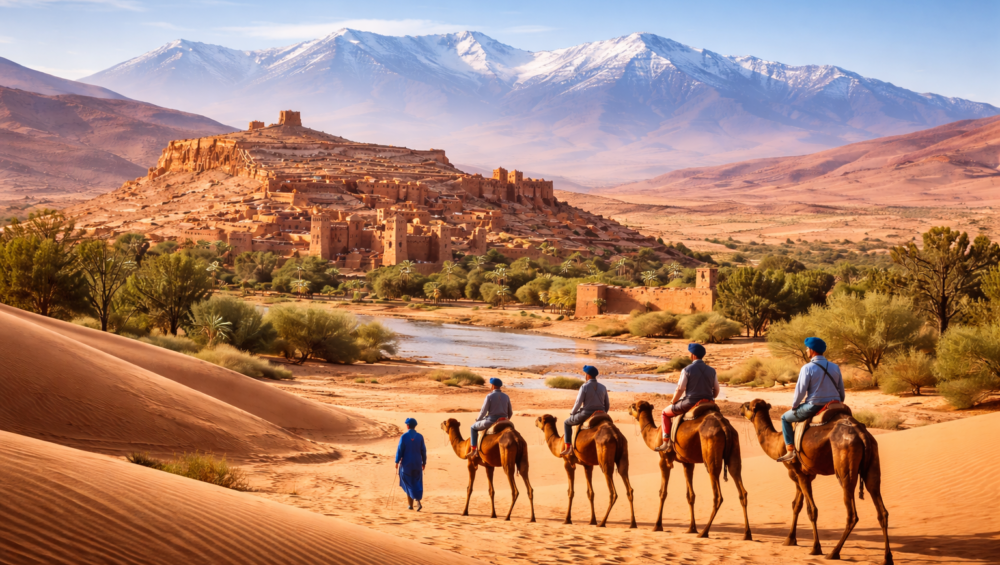
The Erg Chebbi dunes near Merzouga — 150-metre-high walls of orange sand rising from the flat desert floor — are the centerpiece of Saharan Morocco tourism and one of the most photographed natural environments on the African continent. A camel trek at sunset, a night in a desert camp under an impossibly star-filled sky, and a pre-dawn climb to watch the dunes ignite in the first light of morning — these are experiences that require no photographic skill, no athletic ability, and no special preparation to be genuinely and profoundly life-changing.
Morocco tourism’s Sahara experience is accessible from Marrakech via a spectacular drive over the Tizi n’Tichka mountain pass and through the Draa Valley — a two-day journey that is itself one of the finest road trip experiences in the country.
The Desert Road — Kasbahs and Oases
The route from Marrakech to the Sahara through Ouarzazate, Aït Benhaddou, the Valley of the Roses, and the Dades Gorge is one of the greatest drives in Morocco tourism — a succession of UNESCO-listed kasbahs, palm-fringed oases, and dramatic canyon landscapes that has served as the backdrop for dozens of major film productions from Lawrence of Arabia to Game of Thrones.
For complete road trip planning covering the Marrakech to Sahara route and the coastal circuit back through Agadir and Imsouane, read our Morocco road trip guide — the most comprehensive self-drive planning resource available for Morocco tourism in 2026.
Morocco Tourism: The Atlas Mountains
The High Atlas Mountains — rising to 4,167 metres at Jebel Toubkal, North Africa’s highest peak — are one of Morocco tourism’s most spectacular and most underexplored natural assets, offering trekking, skiing, Berber village culture, and dramatic alpine scenery within 90 minutes of Marrakech.
Jebel Toubkal — North Africa’s Highest Summit
Morocco tourism’s most ambitious single trekking objective is the two-day ascent of Jebel Toubkal from the Berber village of Imlil. The standard route requires no technical climbing equipment but delivers one of Africa’s finest summit experiences — sweeping views across the Atlas range and, on the finest days, to the distant outline of the Sahara. The best months for the Toubkal summit are June through September — winter ascents require crampons and ice axe experience.
Atlas Villages and Berber Culture
Morocco tourism’s Atlas Mountain circuit — through the Ourika Valley, the Aït Bougmez Valley, and the rose-growing Dades region — provides the finest access to traditional Berber village culture in Morocco. The mountain communities of the High Atlas have maintained cultural traditions — in language, architecture, agriculture, and craftsmanship — that are genuinely distinctive from the Arab-influenced culture of the imperial cities and represent one of the deepest and most rewarding veins of cultural experience available to Morocco tourism visitors.
Morocco tourism Atlas Mountains Sahara desert Berber culture trekking 2026
Morocco Tourism: Food and Culinary Culture
Morocco tourism’s culinary culture is one of the country’s greatest and most universally accessible pleasures — a cuisine of extraordinary complexity, historical depth, and democratic affordability that rewards every traveller regardless of budget or gastronomic sophistication.
The Essential Morocco Tourism Foods
Tagine — Morocco tourism’s defining dish — a slow-cooked stew of meat, vegetables, and aromatic spices prepared in the conical earthenware pot that gives it its name. Chicken tagine with preserved lemon and olives. Lamb tagine with prunes and almonds. Kefta tagine with eggs. Each version a masterwork of Moroccan culinary tradition available in every city, town, and village in the country.
Couscous — Friday’s national dish — topped with seven vegetables, slow-cooked lamb or chicken, and a rich broth. Pastilla — the extraordinary savory-sweet pigeon and almond pastry dusted with cinnamon and powdered sugar that is Morocco tourism’s most sophisticated culinary experience. Harira soup — thick, nourishing, and deeply comforting. Mint tea — the social and culinary lubricant of all Morocco tourism interaction, poured from theatrical height in small glasses and available everywhere, always, and usually free.
Atlantic Coast Seafood — Morocco Tourism at Its Freshest
The Atlantic coast of Morocco tourism delivers its finest culinary experience at the harbor fish grills of Essaouira, Agadir, and Imsouane — where fresh sardines, sea bream, and mackerel caught that morning are grilled over charcoal and served with khobz bread and preserved lemon for $2–$5. This food — the simplest, the freshest, and the most directly connected to the landscape and community around it — is among the finest culinary experiences available in all of Morocco tourism.
Imsouane’s harbor fish grill is widely regarded as the finest and most authentic fresh seafood experience on the Moroccan Atlantic coast. For a complete food guide to the area, read our article on the culture and hidden gems of Imsouane Morocco.
Amlou — The Taste of the Haha Region
Amlou — a paste of toasted almonds, argan oil, and honey served at breakfast with fresh msemen flatbread — is the most distinctive culinary product of the southern Atlantic coast’s argan-growing region. Available in the guesthouses and breakfast cafés of Essaouira, Imsouane, and the villages of the Haha Berber coast, amlou is one of the flavors that Morocco tourism visitors most frequently attempt to recreate at home and least successfully manage to replicate.
Morocco Tourism: Surf and Adventure
Morocco tourism’s adventure credentials are anchored by one of the world’s finest and most accessible surf coastlines — a 1,200-km Atlantic seaboard that generates consistent, high-quality swell from September through May and delivers world-class waves to surfers of every skill level.
Morocco Tourism’s Surf Destinations
Taghazout and its surrounding breaks — Anchor Point, Hash Point, Killer Point — represent Morocco tourism’s most internationally celebrated high-performance surf destination. The powerful, long-period reef and point break waves that fire along this stretch of coast every winter attract experienced surfers from across Europe and North America.
Imsouane — 50 km north of Taghazout — offers Morocco tourism’s most beginner-friendly and most democratically accessible world-class wave. The legendary right-hand bay break that peels for up to 700 metres creates the finest learning and progression surf environment in Morocco — a wave that welcomes complete beginners and experienced longboarders with equal generosity. For everything you need to know about surfing Imsouane, read our dedicated guide to Imsouane surfing paradise.
Essaouira offers Morocco tourism’s finest windsurfing and kite-surfing conditions — the Alisé trade winds that define the city’s character create ideal conditions for wind-powered water sports year-round.
Morocco Tourism’s Non-Surf Adventure
Morocco tourism delivers adventure well beyond the surf. Trekking in the High Atlas Mountains and the Jebel Saghro. Rock climbing in the Todra Gorge. White-water rafting on the Ahansal River. Sandboarding on the Erg Chebbi dunes. Quad biking in the Sahara. Mountain biking through the Atlas foothills. Hot air ballooning over Marrakech at dawn. Each of these activities adds a physical and experiential dimension to Morocco tourism that cultural sightseeing alone cannot provide.
For a complete guide to Morocco tourism’s surf coast — including seasonal conditions, the best breaks, and what to expect at every skill level — read our guide to why Imsouane is the best surf town in Morocco and our Imsouane vs Taghazout comparison guide.
Morocco Tourism: Culture, Art and Music
Morocco tourism’s cultural offer is one of the deepest and most varied of any destination in the Mediterranean and North African region — encompassing ancient Islamic architectural heritage, living Berber craft traditions, a contemporary art scene of growing international significance, and a musical culture that ranges from Gnawa trance to Andalusian classical.
Gnawa Music — The Soul of Morocco Tourism’s Atlantic Coast
Gnawa music — with its roots in sub-Saharan African spiritual practice brought to Morocco by enslaved people centuries ago — is the most distinctive and most powerful musical tradition in Morocco tourism. The driving rhythm of the sintir bass lute, the metallic percussion of the krakeb castanets, and the hypnotic call-and-response vocal patterns create a sound that is simultaneously ancient and immediately compelling to any listener encountering it for the first time.
The Gnaoua World Music Festival in Essaouira — held annually in June — is Morocco tourism’s greatest musical event and one of Africa’s finest world music festivals, combining traditional Gnawa performance with international jazz, blues, and world music collaborations across multiple free outdoor stages.
Artisan Culture and Morocco Tourism
Morocco tourism’s artisan culture is one of the country’s most distinctive and most commercially significant cultural assets. The leather tanneries of Fès. The copper souk of Marrakech. The thuya wood workshops of Essaouira. The silver jewelry tradition of Tiznit. The carpet weaving of the Atlas Mountains. The argan oil cooperatives of the Haha region.
Each of these craft traditions represents centuries of accumulated skill and cultural knowledge — and each provides Morocco tourism visitors with the opportunity to purchase genuinely made objects of quality and cultural significance directly from the craftspeople who make them, at prices that reflect local economics rather than international retail margins.
Contemporary Morocco Tourism and the Arts
Morocco tourism’s contemporary art scene — centered in Marrakech, Casablanca, and Rabat — has grown significantly in international profile and ambition over the past decade. The Marrakech Museum of Photography, the Villa des Arts in Casablanca and Rabat, and the growing number of contemporary galleries in Guéliz and the Marrakech medina all provide Morocco tourism visitors with access to a living and evolving artistic culture that sits alongside and in conversation with the ancient heritage of the imperial cities.
Morocco Tourism: Planning Your Trip
Planning a Morocco tourism itinerary requires balancing the extraordinary range of available experiences against the practical realities of time, budget, and travel style. Here is a framework for different Morocco tourism durations and interests.
One Week Morocco Tourism — Best Introduction
A one-week Morocco tourism visit is best focused on a single region rather than attempting to cover the whole country. The finest one-week Morocco tourism option for most first-time visitors is the Marrakech and Atlas Mountains circuit — three days in Marrakech, two days in the Atlas foothills and Ourika Valley, and two days on the road toward the Sahara kasbah route. This itinerary delivers Morocco tourism’s most iconic experiences in a manageable and unhurried format.
Alternatively, one week based in Essaouira or Imsouane — exploring the Atlantic coast, Taghazout’s surf scene, Agadir’s city culture, and the argan forest interior — provides a completely different and equally rewarding Morocco tourism introduction focused on the coast rather than the imperial cities.
Two Weeks Morocco Tourism — The Classic Circuit
Two weeks allows the classic Morocco tourism imperial cities circuit — Casablanca arrival, Rabat, Fès, Chefchaouen, Meknès, and Marrakech — combined with three to four days on the Atlantic coast. The Marrakech to Essaouira road trip, extended south to Imsouane and Agadir, adds the coastal dimension that makes a two-week Morocco tourism itinerary genuinely comprehensive.
For complete planning guidance on this circuit, read our from Marrakech to Essaouira guide and our comprehensive Morocco road trip guide.
Three to Four Weeks Morocco Tourism — The Full Experience
Three to four weeks allows the full Morocco tourism experience — imperial cities, Sahara circuit, Atlantic coast from Tangier to Agadir, Atlas Mountain trekking, and the extended Imsouane surf and culture immersion that rewards longer stays with genuinely deep community connection and surf progression. For the finest Morocco tourism planning resources at every scale of itinerary, read our best time to visit Morocco guide.
Morocco tourism planning itinerary one week two weeks circuit imperial cities Atlantic 2026
Morocco Tourism: Practical Information
Getting to Morocco
Morocco tourism is served by excellent air connections from Europe, with budget airlines including Ryanair, easyJet, Transavia, and Vueling operating direct routes from London, Paris, Amsterdam, Madrid, Brussels, and dozens of other European cities to Marrakech, Agadir, Casablanca, Fès, Tangier, and Essaouira airports. Fares from major European hubs start from €30–€80 one way when booked in advance.
For travelers from North America, Royal Air Maroc operates direct flights from New York, Washington, and Montreal to Casablanca, from where domestic connections reach all major Morocco tourism destinations.
For a complete guide to entry documentation, passport requirements, visa rules, and customs regulations for Morocco tourism in 2026, read our comprehensive Morocco travel requirements guide.
Getting Around Morocco
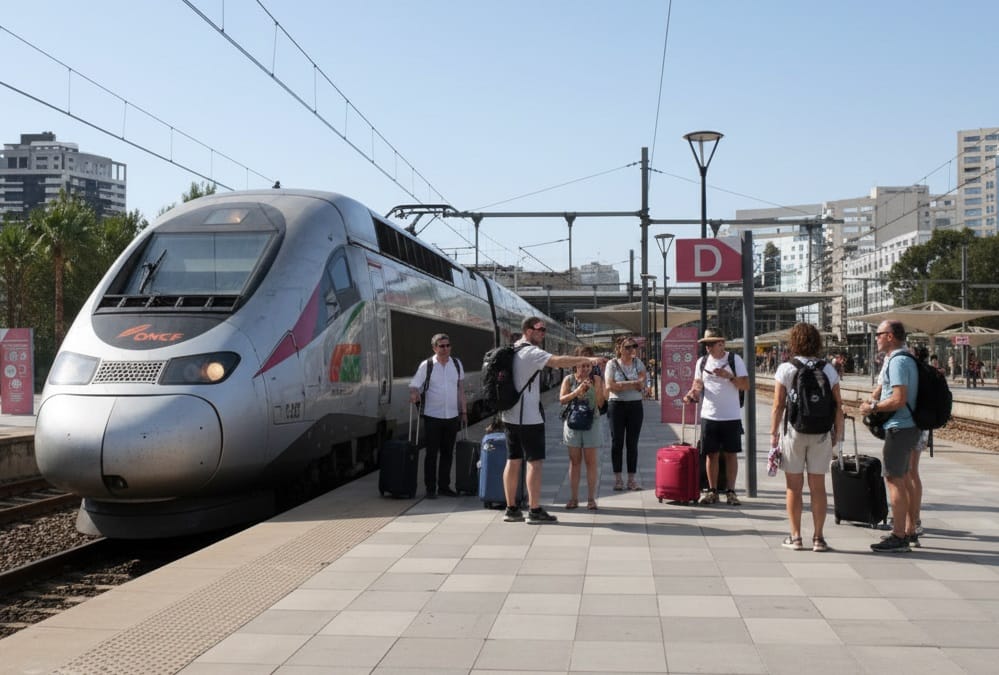
Morocco tourism’s internal transport network has improved significantly in recent years. The ONCF national railway connects Casablanca, Rabat, Meknès, Fès, and Marrakech with comfortable and affordable services. The Al Boraq high-speed train between Casablanca and Tangier takes just over two hours. CTM and Supratours long-distance buses serve destinations not covered by rail. For maximum flexibility — particularly on the Atlantic coast and in mountain and desert regions — car hire is the finest Morocco tourism transport option.
Currency and Budget
Morocco tourism uses the Moroccan Dirham (MAD) — approximately 10 MAD to $1 USD. The Dirham is not freely exchangeable outside Morocco — change money on arrival. Budget Morocco tourism is genuinely possible at $30–$40 per person per day. Comfortable mid-range Morocco tourism costs $60–$100 per day. Luxury Morocco tourism — finest riads, best restaurants, private guides — costs $200–$400 per day. For complete budget planning, read our Morocco travel cost and budget guide.
Best Time for Morocco Tourism
Morocco tourism is rewarding year-round — but spring (March–May) and autumn (September–November) deliver the finest overall conditions across all regions. October is widely regarded as the single best month for Morocco tourism — comfortable temperatures everywhere, excellent surf on the Atlantic coast, manageable crowds, and the country at its most balanced and most authentic.
For complete seasonal guidance covering every region of Morocco, read our comprehensive best time to visit Morocco guide.
Respect and Cultural Sensitivity
Morocco tourism is enriched immeasurably by approaching the country with genuine cultural respect and curiosity. Morocco is a predominantly Muslim country — dress modestly in medinas and rural areas, observe prayer times respectfully, and approach interactions with patience and genuine interest rather than transactional efficiency. Learn a few Arabic or Berber greetings — the warmth generated by even the most basic linguistic effort is one of the most consistently rewarding experiences of Morocco tourism.
External resource: Morocco National Tourism Office
External resource: Morocco Travel Safety — UK Foreign Office
External resource: UNESCO World Heritage Sites in Morocco
Morocco tourism practical information transport budget currency respect culture 2026
Morocco Tourism Is One of the World’s Great Travel Experiences
Morocco tourism in 2026 offers something genuinely extraordinary — a destination of such geographic, cultural, culinary, and experiential diversity that it rewards every type of traveller with an experience that exceeds expectations, generates lasting memories, and creates the irresistible desire to return.
From the overwhelming medina energy of Marrakech to the elemental Atlantic calm of Imsouane. From the medieval labyrinth of Fès to the surf community warmth of Taghazout. From the Saharan silence of an Erg Chebbi desert camp at 3am to the social spectacle of Djemaa el-Fna at dusk. Morocco tourism delivers all of this — and more — within a single country, at prices that remain extraordinary value by any international comparison, with a warmth of human welcome that is among the most consistent and most genuine in the world.
Come to Morocco. Come curious, come respectful, come with time enough to allow the country to reveal itself at its own pace. Morocco tourism will take care of everything else.
Have questions about Morocco tourism or planning your perfect Morocco journey? Leave a comment below or explore our full collection of guides — including our Morocco road trip guide, things to do in Morocco, best time to visit Morocco, Morocco travel cost guide, Morocco travel requirements, Marrakech Morocco guide, must-visit cities in Morocco, Imsouane bay guide, Essaouira hotels, riad in Essaouira, from Marrakech to Essaouira, best time to visit Imsouane, and our complete Imsouane surfing paradise guide — for everything you need to experience Morocco tourism at its absolute finest in 2026.
Comments