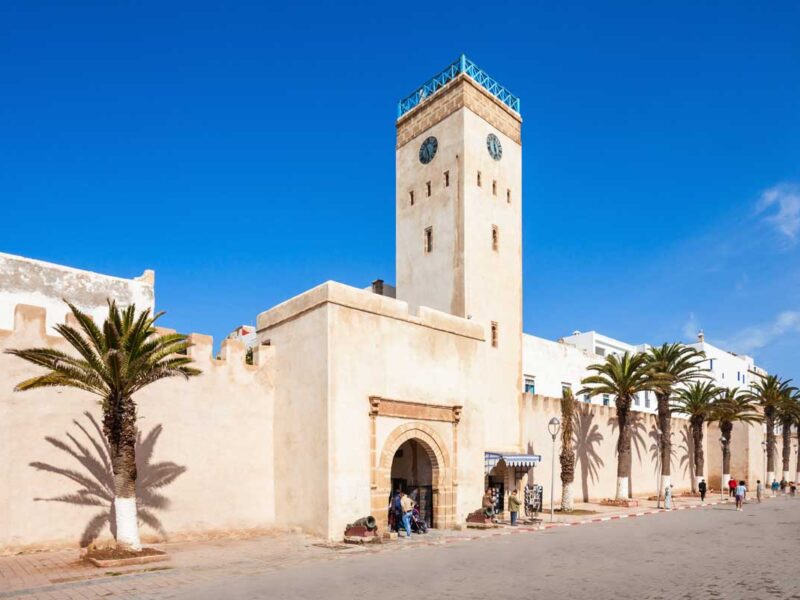
 By
By Essaouira Morocco hidden gem Atlantic coast UNESCO medina blue white walls 2026
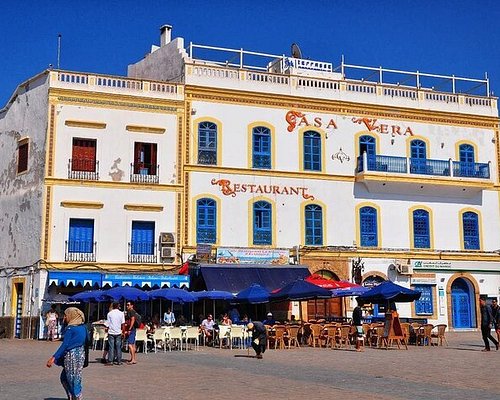
Table of Contents
- Essaouira Morocco: Why This City Captivates Every Visitor
- Essaouira Morocco: History and Cultural Heritage
- Essaouira Morocco: Top Attractions and Must-See Sites
- Essaouira Morocco: The Beach and Ocean
- Essaouira Morocco: Food Scene and Where to Eat
- Essaouira Morocco: Music, Art and Creative Culture
- Essaouira Morocco: Where to Stay
- Essaouira Morocco: Day Trips and Coastal Exploration
- Essaouira Morocco: Best Time to Visit
- Essaouira Morocco: Practical Travel Tips
Introduction
Essaouira Morocco is one of the most captivating and most consistently underestimated destinations in all of North Africa — a walled Atlantic city of such distinctive character, layered cultural heritage, and elemental natural beauty that the travellers who discover it invariably find themselves extending their stay, returning the following year, and recommending it to every friend who asks where to go in Morocco.
Essaouira Morocco occupies a dramatic stretch of the Atlantic coastline approximately 170 km west of Marrakech — close enough to be a day trip from Morocco’s most famous city, yet sufficiently different in character, pace, and atmosphere to feel like an entirely different country. Where Marrakech overwhelms with heat, noise, and sensory intensity, Essaouira Morocco soothes with ocean wind, salt-bleached walls, and a quality of atmospheric calm that is among the most genuinely therapeutic available at any major destination in Africa.
The city’s UNESCO World Heritage medina — a masterpiece of 18th-century Portuguese-influenced Moroccan architecture — is smaller and more accessible than the great medieval medinas of Fès and Marrakech, making it an ideal introduction to Morocco’s ancient urban culture for first-time visitors while offering sufficient depth and surprise to reward returning travellers on every subsequent visit. The working fishing port, the cannon-lined Atlantic ramparts, the thuya wood artisan workshops, the extraordinary Gnawa music tradition, and some of the finest fresh seafood in Morocco complete a picture of a destination whose hidden gem status grows less hidden with every passing year — but whose genuine character remains stubbornly and beautifully intact.
In 2026, Essaouira Morocco is more visitor-ready than ever — with an expanding range of quality accommodation, a growing restaurant and café scene, improved transport connections from Marrakech and Agadir, and the sustained global attention of travel media that has made the city one of Morocco’s fastest-rising international destinations.
This guide covers every dimension of Essaouira Morocco — history, attractions, food, music, accommodation, day trips, seasonal timing, and practical visitor information — in the detail and depth that this extraordinary Atlantic city deserves.
Before exploring Essaouira specifically, get the full picture of Morocco’s Atlantic coast by reading our comprehensive guide to things to do in Morocco — essential reading for anyone planning a broader Morocco itinerary in 2026.
Essaouira Morocco: Why This City Captivates Every Visitor
Essaouira Morocco has an effect on visitors that is difficult to fully explain and impossible to fully predict — a quality of place that combines visual beauty, atmospheric energy, cultural richness, and genuine human warmth into something that exceeds the sum of its parts and creates an experience that sticks in the memory long after more obviously spectacular destinations have faded.
The Wind
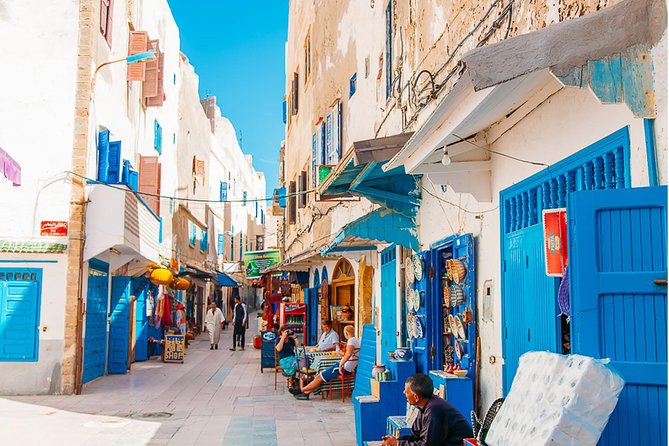
The Alisé trade winds that blow consistently off the Atlantic and through the streets of Essaouira Morocco are not merely a meteorological feature — they are the defining character of the city. The wind shapes the medina’s architecture (low buildings, thick walls, sheltered courtyards). It shapes the city’s food culture (the freshest Atlantic seafood, preserved against the salt air). It shapes the social life (the covered café terraces, the wind-sheltered squares, the communal warmth of people gathered against the elements). It shapes the tourism economy (world-class windsurfing and kite-surfing). And it creates the distinctive aesthetic of salt-bleached white walls, weathered blue shutters, and wind-animated cloth that makes Essaouira Morocco one of the most photogenic cities in North Africa.
The Authenticity
Essaouira Morocco retains a quality of authentic community life that more heavily touristed Moroccan cities have partially lost. The medina is not primarily a tourist market — it is a living community where fishermen, artisans, musicians, students, and families go about their daily lives with visitors woven into the fabric rather than dominating it. The fish market is not a tourist attraction — it is where the morning’s catch is bought and sold by the people who caught it and the restaurants that will serve it. The Gnawa musicians who play in the city’s squares are not performing for tips — they are practicing a centuries-old spiritual and musical tradition that is as alive and as central to community identity in Essaouira Morocco today as it has ever been.
The Scale
Essaouira Morocco is the right size. The medina is compact enough to be understood and navigated within a day yet deep enough to reveal new corners and new dimensions on every subsequent exploration. The city is large enough to have genuine infrastructure — quality restaurants, a range of accommodation, reliable transport connections — without being so large that it loses the sense of contained, manageable intimacy that makes it such a pleasure to inhabit for days or weeks at a time.
For everything you need to know about staying in Essaouira Morocco in the most authentic way possible, read our dedicated riad in Essaouira guide and our comprehensive Essaouira hotels guide.
Essaouira Morocco why visit Atlantic wind authentic medina UNESCO character
Essaouira Morocco: History and Cultural Heritage
The history of Essaouira Morocco is one of the most layered and most cosmopolitan of any city on the African Atlantic coast — a history shaped by Berber, Phoenician, Portuguese, Saadian, and Alaouite influences that has produced an architectural and cultural heritage of extraordinary richness and complexity.
Ancient Origins
The site of Essaouira Morocco has been occupied since antiquity. The Phoenicians established a trading post on the offshore islands — the Purpuraires Islands, visible from the city’s ramparts — where they harvested the murex shellfish that produced the famous Tyrian purple dye traded across the ancient Mediterranean world. The Romans later operated a purple dye factory on the same islands. These ancient commercial connections established Essaouira Morocco’s enduring role as a place of Atlantic maritime trade and cultural exchange centuries before the city’s modern form was conceived.
The Portuguese Period
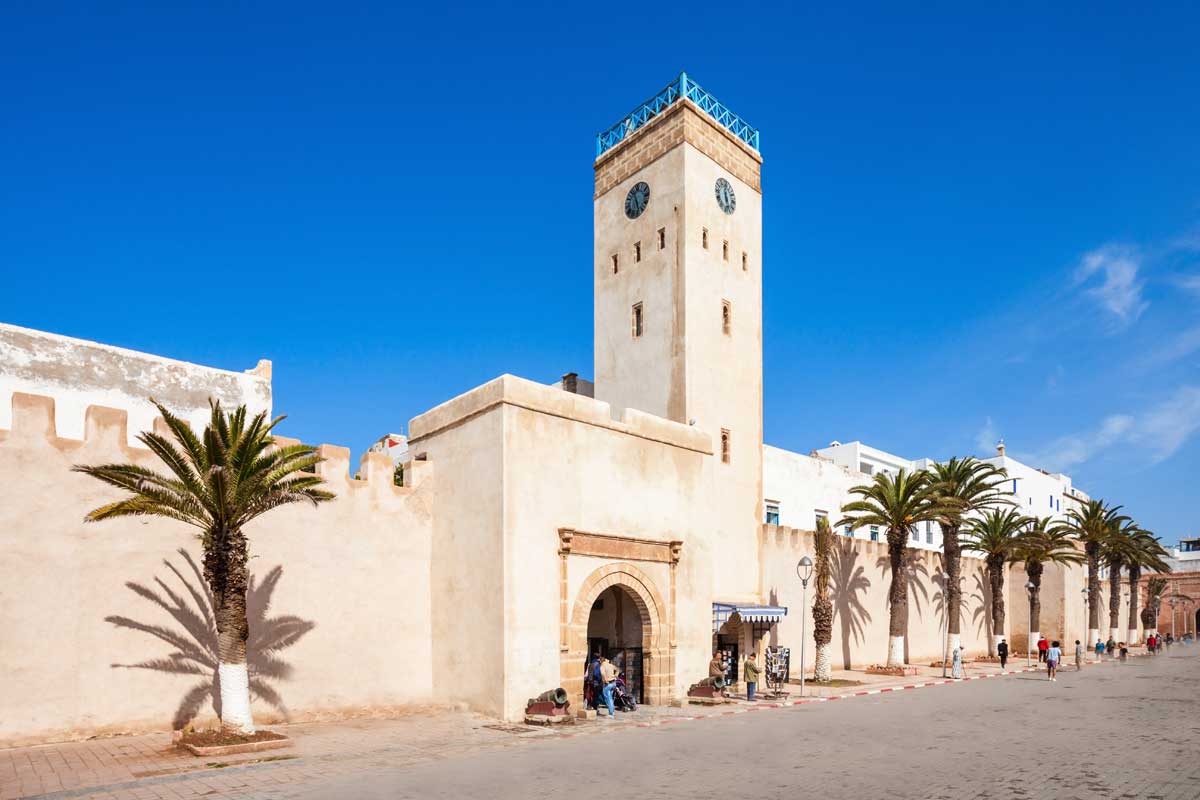
Portuguese navigators reached the Essaouira Morocco coastline in the early 16th century and established a fortified trading post — Mogador — on the site of the modern city. The Portuguese fortifications, harbor works, and architectural traditions left a permanent mark on the urban fabric of Essaouira Morocco — visible in the layout of the port, the design of the ramparts, and the hybrid Portuguese-Moroccan architectural vocabulary that distinguishes the city from purely Islamic-influenced Moroccan medinas.
Sultan Mohammed III and the Modern City
The modern form of Essaouira Morocco was created by Sultan Mohammed III in the 1760s — a deliberate act of urban planning that established the city as Morocco’s primary Atlantic trading port and a center of international commercial exchange. The sultan commissioned a French architect — Théodore Cornut — to design the new city, producing the distinctive combination of French classical urban planning and Moroccan vernacular architecture that gives Essaouira Morocco its UNESCO-recognized architectural uniqueness.
The Jewish Heritage
Essaouira Morocco’s commercial golden age in the 18th and 19th centuries was significantly shaped by its large and influential Jewish community — the tujjar al-sultan (merchants of the sultan) — who dominated the city’s export trade in leather, argan oil, and other Moroccan commodities. The Jewish quarter (mellah) of Essaouira Morocco remains visible in the medina’s southern section — a testament to the cosmopolitan and multi-faith character that has always distinguished this Atlantic city from the more exclusively Muslim character of Morocco’s inland imperial cities.
Essaouira Morocco: Top Attractions and Must-See Sites
Essaouira Morocco’s concentration of world-class cultural and natural attractions within a compact medina makes it one of the most rewarding and most time-efficient sightseeing destinations in all of Morocco.
The Skala de la Ville — Atlantic Ramparts
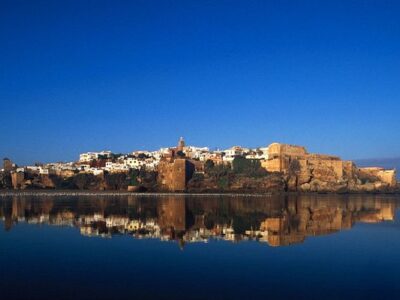
The great sea-facing rampart of Essaouira Morocco — the Skala de la Ville — is the city’s most iconic and most immediately spectacular attraction. The cannon battery above the Atlantic, built during the Portuguese period and expanded under Sultan Mohammed III, presents a line of bronze cannons pointing dramatically over the crashing ocean toward the Île de Mogador — creating one of the most powerful and most photographed scenes in all of Morocco tourism.
Walking the full length of the Skala de la Ville rampart — from the northern tower to the southern Skala du Port — takes approximately 20 minutes and provides the finest elevated perspective on the relationship between Essaouira Morocco and the Atlantic that defines its character.
Entrance: Free Best time: Late afternoon when the Atlantic light is most dramatic on the cannon bronze
The Port and Fish Market
Essaouira Morocco’s working fishing port is one of the most authentic and most photogenic commercial maritime environments in Morocco — a daily spectacle of blue-painted wooden boats, arriving catches, sorting nets, and negotiating traders that operates on Atlantic rhythms entirely independent of the tourist calendar.
The fish market beside the port entrance — operating from approximately 7am to 11am on most mornings — is where the morning’s catch of sardines, sea bream, bass, and octopus is sold in rapid, informal auction. The seafood restaurants immediately adjacent to the market serve the freshest possible grilled fish for 40–80 MAD ($4–$8) per serving — the finest and most authentic eating experience available in Essaouira Morocco.
Entrance: Free Best time: 7–10am for the most active market atmosphere
The Medina Souks and Artisan Quarter
Essaouira Morocco’s medina souks are less overwhelming than their Marrakech equivalents — more navigable, less aggressive in their commercial approaches, and more genuinely focused on quality craft production than tourist-adapted souvenirs. The thuya wood artisan quarter — where craftsmen work the aromatic, beautifully grained thuya root into boxes, frames, furniture, and decorative objects unique to Essaouira Morocco — is the medina’s finest cultural and commercial destination.
The spice souk, the silver jewelry quarter, and the textile merchants along Avenue de l’Istiqlal complete a medina souk experience that rewards several hours of unhurried exploration and genuine engagement with the craftspeople whose skills define Essaouira Morocco’s artisan identity.
The Moulay Hassan Square and Café Culture
The Place Moulay Hassan — the principal public square of Essaouira Morocco — is the city’s social heart and one of the finest café-culture environments in Morocco. The square is lined with cafés whose covered terraces provide wind-sheltered outdoor seating facing the medina’s main ceremonial space. Sitting at a café table on the Place Moulay Hassan for an extended morning of mint tea and people-watching is one of the quintessential Essaouira Morocco experiences and one of the finest available in the country.
The Île de Mogador
The offshore islands visible from Essaouira Morocco’s ramparts — the Île de Mogador and the Purpuraires Islands — are a protected natural reserve hosting one of the world’s largest colonies of Eleonora’s falcon. Boat trips to the islands are available from the fishing port — providing both a marine wildlife experience and the finest perspective on Essaouira Morocco’s dramatic architectural silhouette from the sea.
Essaouira Morocco: The Beach and Ocean
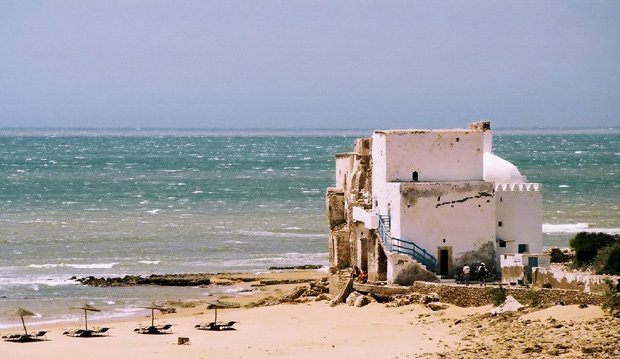
Essaouira Morocco’s beach — a long, sweeping arc of Atlantic sand extending south from the medina walls — is one of the most dramatically beautiful urban beaches in North Africa, and the primary reason for the city’s extraordinary popularity as a windsurfing and kite-surfing destination.
The Beach
The beach at Essaouira Morocco stretches approximately 10 km south of the medina walls — wide, firm, and consistently swept by the Alisé trade winds that have made the city famous among the global wind sports community. The northern section of the beach — immediately south of the medina — is the most accessible and most social, with surf schools, rental equipment, and beach cafés clustered near the medina entrance.
The southern sections of Essaouira Morocco’s beach — increasingly wild and deserted as you walk south — provide one of the finest and most elemental Atlantic walking environments available on the Moroccan coast. The wind, the wide sand, the crashing Atlantic swells, and the gradually receding medina skyline behind you create a walking experience of genuine grandeur.
Windsurfing and Kite-surfing
The consistent Alisé winds that give Essaouira Morocco its nickname — the Wind City of Africa — create ideal conditions for windsurfing and kite-surfing that rank among the finest in the world. Several professional windsurfing schools operate on the beach south of the medina, offering equipment rental and instruction for all levels from complete beginner to advanced racer.
The International Windsurfing Center on the beach has been a fixture of Essaouira Morocco’s water sports scene for over two decades and provides the most comprehensive equipment and instruction available in the city.
Swimming
The Atlantic water at Essaouira Morocco is cooler and more powerful than the Mediterranean waters that most European beach holiday travellers are accustomed to. Strong currents and powerful shore break make swimming at the main beach potentially hazardous for inexperienced ocean swimmers. Always observe local advice about swimming conditions and never swim alone in the more exposed southern sections of the beach.
Essaouira Morocco beach Atlantic wind kite-surfing windsurfing ocean 2026
Essaouira Morocco: Food Scene and Where to Eat
Essaouira Morocco’s food scene is one of its greatest and most immediately accessible pleasures — a culinary culture built on the extraordinary freshness of Atlantic seafood, the distinctive flavors of Haha Berber home cooking, and the argan oil tradition that gives the food of this region a flavor profile unlike anywhere else in Morocco.
Fresh Seafood — The Heart of Essaouira Morocco Cuisine
The finest and most essential food experience in Essaouira Morocco is eating fresh fish at the port — and it costs almost nothing. The small seafood grills that line the port entrance — numbered stalls serving the freshest grilled fish from the morning’s catch — are where Essaouira Morocco’s culinary reputation is most directly and most honestly expressed. Grilled sardines cost 15–25 MAD ($1.50–$2.50). Sea bream costs 40–60 MAD ($4–$6). The entire meal — fish, bread, salad, and a glass of fresh-squeezed orange juice — costs less than $10 and is prepared from ingredients that were swimming in the Atlantic that morning.
Traditional Moroccan Home Cooking
Family-run restaurants in Essaouira Morocco’s medina serve traditional Moroccan home cooking — tagines, couscous, harira, pastilla — at prices well below their equivalents in Marrakech. A complete tagine with bread and mint tea costs 60–100 MAD ($6–$10) at a good local restaurant. The quality at the finest of these establishments reflects generations of culinary tradition — slow-cooked with preserved lemons, olives, and spices that have been sourced from the same suppliers for decades.
Amlou and the Argan Breakfast
Essaouira Morocco’s position within the Arganeraie Biosphere Reserve — the only place on earth where argan trees grow naturally — means that argan oil is an integral component of the local food culture. The traditional Essaouira Morocco breakfast — served at virtually every riad and family guesthouse in the medina — features amlou (a paste of toasted almonds, argan oil, and honey) alongside freshly baked khobz bread, msemen flatbread, mint tea, and fresh orange juice. This breakfast is one of the finest and most distinctively Moroccan culinary experiences available anywhere in the country.
Where to Eat in Essaouira Morocco
The port fish stalls are non-negotiable — eat here at least once, ideally more. Family-run medina restaurants away from the main tourist circuit deliver the finest value and most authentic Moroccan home cooking. The café terraces of the Place Moulay Hassan are ideal for morning coffee, afternoon mint tea, and the slow consumption of msemen with honey. The growing restaurant scene in the streets around the northern medina and port area provides quality mid-range dining options for evening meals.
For complete budget food planning in Essaouira Morocco and along the broader Atlantic coast, read our Morocco travel cost and budget guide.
Essaouira Morocco: Music, Art and Creative Culture
Essaouira Morocco is one of the most culturally rich and most artistically vibrant cities in Morocco — a city whose creative heritage encompasses one of Africa’s greatest musical traditions, a distinguished history of literary and artistic residence, and a thriving contemporary arts scene that continues to attract painters, musicians, writers, and filmmakers from across Morocco and beyond.
Gnawa Music — The Soul of Essaouira Morocco
The Gnawa musical tradition is more alive, more central, and more publicly present in Essaouira Morocco than anywhere else in the country. Gnawa — a form of trance music with deep roots in sub-Saharan African spiritual practice — is characterized by the driving rhythm of the sintir (bass lute), the metallic percussion of the krakeb (castanets), and the hypnotic call-and-response vocal patterns of the maalem (master musician) and his followers.
In Essaouira Morocco, Gnawa music is heard in the streets, the cafés, the medina squares, and the private ceremony spaces where the tradition’s healing and spiritual functions continue to be practiced by the community. The Gnaoua World Music Festival — held annually in June — transforms Essaouira Morocco into one of Africa’s greatest music destinations, combining traditional Gnawa performance with international jazz, blues, and world music collaborations across multiple free outdoor stages.
Literary and Artistic Heritage
Essaouira Morocco has been a magnet for artists, writers, and creative spirits throughout its modern history. Orson Welles filmed his acclaimed Othello on the city’s ramparts and streets in 1949. Jimi Hendrix visited in 1969 — his stay has generated a mythology of disputed but delightful detail. Paul Bowles and the Tangier literary circle made Essaouira Morocco part of the broader north African creative map that attracted generations of American and European writers.
The city’s contemporary gallery scene — smaller but genuine — provides a context for Morocco’s emerging visual art tradition and a commercial infrastructure that supports the growing community of painters and photographers who have made Essaouira Morocco their base.
Thuya Wood — Essaouira Morocco’s Artisan Identity
The thuya wood artisan tradition is Essaouira Morocco’s most distinctive and most commercially significant cultural craft — a practice unique to this city whose craftsmen work the aromatic, beautifully grained thuya root into objects of genuine beauty and skill. Purchasing thuya wood objects directly from the craftsmen whose workshops line the rampart areas of the medina — rather than from souvenir shops elsewhere in Morocco — supports a living artisan tradition and ensures the authenticity and quality of what you take home.
Essaouira Morocco: Where to Stay
Essaouira Morocco’s accommodation market is one of the most distinctive and most rewarding in North Africa — anchored by the riad tradition of the medina and offering genuine quality across every price category from budget family guesthouses to supremely designed luxury boutique properties.
Staying in a Riad in Essaouira Morocco
The riad experience in Essaouira Morocco has a specific Atlantic character that distinguishes it from riads in Marrakech and Fès — cooler, airier, and more salt-bleached in aesthetic, with the sound of the ocean wind in the courtyard and the blue-and-white color palette of the city’s walls reflected in the interior design of the finest properties.
Riad prices in Essaouira Morocco range from 150–300 MAD ($15–$30) per night for simple family guesthouses to 1,500–4,000 MAD ($150–$400) per night for the finest boutique properties — with the mid-range market of 500–1,200 MAD ($50–$120) per night offering the finest value accommodation available in the city. Always book directly with the riad by WhatsApp or email — direct bookings save platform commission that motivated hosts frequently share with guests in the form of better rates or complimentary extras.
For a complete guide to every category of riad in Essaouira Morocco, read our dedicated riad in Essaouira guide. For a comprehensive guide to all Essaouira Morocco hotel options across every budget level, read our complete Essaouira hotels guide.
Essaouira Morocco: Day Trips and Coastal Exploration
Essaouira Morocco’s position on the Atlantic coast — midway between Agadir and Casablanca — makes it an outstanding base for coastal exploration in both directions and for inland excursions into the extraordinary argan forest and Berber community landscape that surrounds the city.
Sidi Kaouki — Wild Atlantic Beach
Sidi Kaouki — 25 km south of Essaouira Morocco along the coastal road — is a wild kite-surfing and surf village whose long, powerful Atlantic beach and marabout shrine provide a dramatic and beautiful half-day excursion from the city. The coastal road south from Essaouira Morocco to Sidi Kaouki is one of the finest short drives on the Atlantic coast — argan forest, clifftop views, and the gradual transition from the city’s urban character to the open Atlantic wilderness beyond.
Imsouane — Morocco’s Most Beautiful Bay
Approximately 80 km south of Essaouira Morocco, the extraordinary bay of Imsouane — with its legendary right-hand surf wave, authentic Berber fishing village character, and dramatic headland setting — is the finest day trip or overnight excursion destination available from Essaouira Morocco. The coastal drive south from Essaouira Morocco through Sidi Kaouki, Cap Sim, and the Haha coast cliffs to Imsouane is one of the most beautiful road journeys in Morocco — and the destination at its end delivers an experience of rare natural and cultural purity.
For the complete coastal journey guide from Essaouira Morocco south to Imsouane, read our dedicated Essaouira to Imsouane road trip guide. For everything you need to know about Imsouane as a destination, read our comprehensive Imsouane bay guide.
The Argan Forest Interior
Inland from Essaouira Morocco, the ancient argan forest of the Arganeraie Biosphere Reserve extends through the hills and plains of the Haha region — one of the most distinctive and most ecologically significant landscapes in North Africa. Day trips inland from Essaouira Morocco to argan oil cooperatives, Berber market towns, and forest walking areas provide a completely different but equally rewarding complement to the city’s coastal character.
Marrakech — The Classic Connection
The 170 km road from Essaouira Morocco to Marrakech — through the argan plains of the N8 national road — is one of Morocco’s classic road trip journeys and one of the most dramatically contrasting destination transitions available in the country. For complete planning guidance on this route, read our dedicated from Marrakech to Essaouira guide — which covers the route in full detail in both directions.
Essaouira Morocco day trips Sidi Kaouki Imsouane argan forest Marrakech coastal
Essaouira Morocco: Best Time to Visit
Essaouira Morocco is one of the most genuinely year-round destinations in all of Morocco — the Atlantic wind and ocean that define its character create a climate of remarkable moderation compared to the extremes experienced at inland Moroccan cities.
Spring — March to May (Excellent)
Spring is one of the two finest seasons for visiting Essaouira Morocco. Temperatures are warm and comfortable (18–24°C), the argan forest inland is at its most beautiful with new growth and wildflowers, and the city has an energetic social atmosphere as the winter quiet gives way to the building season. The Gnaoua Festival in June makes late spring the beginning of Essaouira Morocco’s peak cultural season.
Summer — June to August (Popular and Windy)
Summer is Essaouira Morocco’s most popular season — but it requires preparation. The Alisé trade winds are at their most powerful in summer, making the city an outstanding windsurfing destination but a challenging environment for medina walking and rooftop dining in heavy wind. The city is significantly more crowded in July and August than at any other time of year — book accommodation well in advance.
The Gnaoua World Music Festival in June — Essaouira Morocco’s greatest annual event — makes early summer the most culturally exciting time to visit, with free outdoor concerts filling the city’s squares and ramparts for four days.
Autumn — September to November (Best Overall)
Autumn is widely regarded as the finest season for visiting Essaouira Morocco. The wind moderates noticeably from mid-September. Temperatures remain warm (20–25°C). The city retains the social energy of summer without the peak-season crowding. October is the single finest month — clear days, manageable wind, excellent photography light, and the city at its most balanced and authentic. For a complete seasonal guide to Essaouira Morocco and the Atlantic coast, read our best time to visit Morocco guide.
Winter — December to February (Atmospheric and Affordable)
Winter brings the most powerful Atlantic wind and the most dramatic storm conditions to Essaouira Morocco — creating an atmosphere of raw natural energy that photographers and wind-sports enthusiasts prize above all other seasons. Accommodation prices reach their annual lowest in January and February. The medina is quiet, authentic, and unhurried — the finest season for slow cultural immersion without tourist pressure.
For the most detailed seasonal guide to the Atlantic coast south of Essaouira Morocco — including Imsouane’s winter surf season — read our dedicated article on the best time to visit Imsouane.
Essaouira Morocco: Practical Travel Tips
Getting to Essaouira Morocco
By road from Marrakech — the N8 national road covers approximately 200 km in 2.5–3 hours. CTM buses from Marrakech operate multiple daily services (80–120 MAD/$8–$12, approximately 3 hours). Shared grand taxis from Marrakech’s Bab Doukkala station cost approximately 80–100 MAD ($8–$10) per person.
By road from Agadir — approximately 170 km north along the coastal road in approximately 2 hours. CTM buses from Agadir cost approximately 70–100 MAD ($7–$10). The coastal route from Agadir passes through Taghazout, Imsouane, and Sidi Kaouki — making it one of the finest scenic approaches to Essaouira Morocco available.
Essaouira Morocco has its own small airport — Essaouira Mogador Airport — with limited European connections primarily operated by Ryanair from select cities. Check current routes for 2026 availability.
Getting Around Essaouira Morocco
Essaouira Morocco’s medina is entirely walkable — and walking is the only way to experience it properly. The medina is car-free. Taxis operate on the medina perimeter. The beach is a 5–10 minute walk from any point in the medina.
Money in Essaouira Morocco
ATMs are available within and around the medina — more accessible than at more remote Atlantic coast destinations like Imsouane where no ATM exists within the village. Budget 400–800 MAD ($40–$80) per person per day for a comfortable Essaouira Morocco experience covering accommodation, food, and activities.
Respect and Etiquette
Essaouira Morocco is a predominantly Muslim Berber community. Dress modestly in the medina — shoulders and knees covered away from the beach. Ask permission before photographing residents. Approach the Gnawa musicians and artisans with genuine respect and curiosity rather than treating them as tourist attractions.
External resource: UNESCO Essaouira Medina World Heritage
External resource: Gnaoua World Music Festival Official Website
External resource: Morocco Travel Safety — UK Foreign Office
For complete Morocco trip planning covering Essaouira Morocco and the entire Atlantic coast circuit, read our Morocco road trip guide and our comprehensive Morocco tourism guide.
Essaouira Morocco practical tips getting there transport money etiquette 2026

Essaouira Morocco — A Hidden Gem That Deserves to Be Found
Essaouira Morocco is one of those destinations that reveals itself most completely to the traveller who arrives without rigid expectations and allows the city to set the agenda — the wind, the light, the fish market at dawn, the Gnawa rhythms at dusk, the sunset from the ramparts above the Atlantic, and the slow accumulation of small and perfect moments that constitute the true Essaouira Morocco experience.
It is a city that rewards patience and punishes rushing. The medina that seems fully explored after one morning reveals new dimensions after three days. The café that appears unremarkable on first visit becomes the finest place in the city on the fourth morning when the owner remembers your order and the wind has dropped enough for the terrace to feel genuinely warm.
Essaouira Morocco is still, in 2026, a place where genuine travel — curious, unhurried, respectful — is possible and is generously rewarded. Come as a traveller rather than a tourist. Stay longer than you planned. Walk south along the beach until the medina disappears behind the dunes. Eat sardines at the port every morning. Let the wind do what it has always done here — strip away the unnecessary and leave only what is real.
Have questions about Essaouira Morocco or planning your Atlantic coast journey? Leave a comment below or explore our full collection of guides — including our riad in Essaouira guide, Essaouira hotels guide, from Marrakech to Essaouira guide, Essaouira to Imsouane road trip, Imsouane bay guide, best time to visit Morocco, Morocco tourism guide, Morocco travel cost guide, things to do in Morocco, Marrakech Morocco guide, must-visit cities in Morocco, best time to visit Imsouane, and our Morocco road trip guide — for everything you need to experience Morocco’s most enchanting Atlantic destination to its absolute fullest.
Comments